

In today’s super competitive market, picking the right Marking Machine can really make a difference for your business’s efficiency and branding efforts. I mean, as Jonathan Smith from LaserTech Solutions puts it, “A good quality marking machine not only boosts your productivity but also adds real value to your products.” That basically shows how important it is to choose the right machine that suits your specific needs.
Now, I know it can be pretty overwhelming when you're trying to figure out which Marking Machine to go for. There are so many options—laser, inkjet, different sizes, and tech specs—that it’s easy to get lost. Each type has its own perks, whether you’re doing detailed designs or large batch production. Getting a grip on these differences is crucial so you don’t end up with equipment that’s not quite right for you.
And here’s the thing—making that investment in a Marking Machine really needs to line up with what your business actually needs to accomplish in the long run. It’s worth taking the time to weigh the upfront costs against the benefits down the line. If you rush into it without doing your homework, you might end up with gear that doesn’t exactly fit your requirements. So, taking a bit of time to reflect on these choices is key if you wanna grow sustainably and avoid headaches later on.
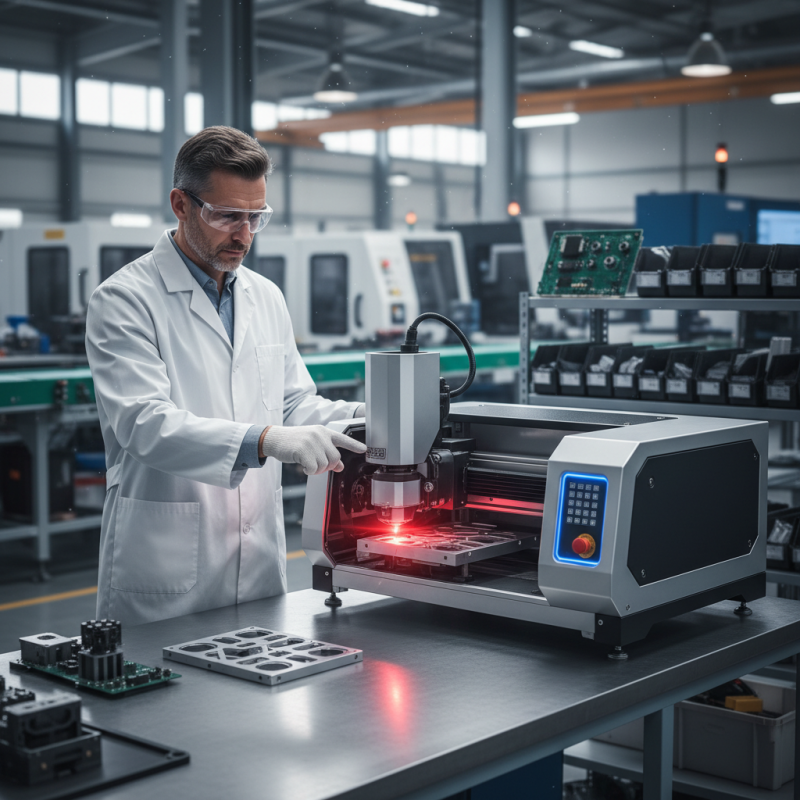
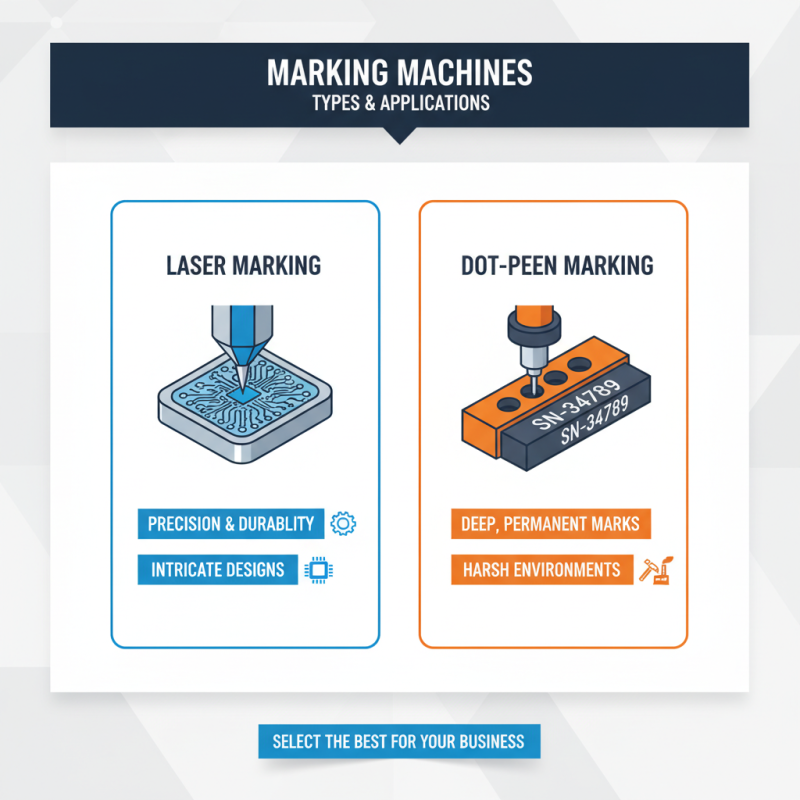
When it comes to selecting the best marking machine for your business, understanding the types available is crucial. There are several categories, each suited for different industries. For instance, laser marking machines offer precision and durability, making them perfect for intricate designs. Meanwhile, dot peen machines excel in creating deep and permanent marks, ideal for harsh environments.
According to a recent industry report, the marking machine market is projected to grow significantly, driven by increased demand for traceability. In 2022, the global marking systems market was valued at approximately $3.6 billion. This suggests businesses are increasingly recognizing the importance of efficient marking solutions.
Tips: Always evaluate your specific marking needs before purchasing. A deep-dive into your operational requirements can save time and costs. Consider exploring hybrid machines that combine multiple technologies for greater versatility. These options might not seem perfect at first and may require adjustments, but they can offer enhanced functionality. Adapting to new technologies can also lead to innovative solutions, even if it feels daunting initially.
When selecting a marking machine, several key factors play a critical role. The material type you will be working with is paramount. Different machines are suited for various materials, including metals, plastics, and wood. Assess the compatibility of a model with the materials in your business. For instance, Tube Marking requires precision. Ensure the machine can handle cylindrical shapes.
Another vital aspect is speed and efficiency. How quickly can the machine mark products? This factor directly impacts your production line. A slower machine may hinder your operations and lead to dissatisfaction. Look at the details too. What is the resolution of the markings? High-resolution markings ensure clarity and professionalism.
Lastly, consider the ease of use and maintenance. A complicated device might require extensive training. This can slow down your workforce's initial productivity. Machines that are easy to operate and maintain can save time and costs in the long run. Balancing these factors can lead to a well-informed decision that aligns with your business needs.
When assessing your business needs for marking solutions, it's crucial to understand your specific requirements. According to a 2023 industry report, 75% of companies prioritize accuracy and speed in their marking processes. This means businesses need to evaluate their operational workflows to ensure they choose the right marking technology. A one-size-fits-all approach often leads to inefficiencies. Each industry has distinct marking needs, whether for product traceability, safety labeling, or compliance standards.
Different materials and production rates can also influence your choice. An analysis showed that companies working with metals often select laser marking for durability, while those in packaging industries may favor inkjet marking for versatility. However, not every business has specialized personnel to operate complex machines. This gap highlights the need for user-friendly solutions. Investing in training can be equally important as selecting the right machine, yet many underestimate this aspect. A clear understanding of your labeling needs can prevent costly mistakes.
Additionally, monitoring operational costs is vital. Research indicates that 60% of businesses overlook ongoing maintenance expenses when choosing marking equipment. This oversight can lead to budget overruns. Implementing a thorough assessment process can streamline your operations. Businesses must critically reflect on their long-term goals and adapt as needed, rather than simply following trends. Ultimately, tailoring marking solutions to fit unique business requirements enhances efficiency and reliability.
Budgeting for a marking machine is crucial for any business. Various factors influence the cost. First, consider the type of marking. Laser marking, for instance, may come with higher upfront costs but offers precision. On the other hand, inkjet machines could provide a cheaper alternative but may require more maintenance.
Evaluate the additional expenses involved in operation. Would your business need consumables like inks and solvents? These costs can accumulate over time. Don’t forget about potential training for your staff. A complex machine might lead to additional training expenses if your team isn’t familiar with it.
Unexpected repairs can also strain your budget. Investing in a reliable machine could save costs in the long run. Be sure to check warranty options. However, warranty terms can vary widely. Always read the fine print. Prioritize machines that offer robust customer support. Sometimes a high initial investment leads to better efficiency and minimal downtime. Balancing quality and cost can be challenging.
When searching for the best marking machine for your business, focus on key features. Reliability is crucial. A high-quality machine should consistently produce clear, precise markings. This aspect prevents costly errors in your production line. Consider the type of materials you’ll be marking on. Different machines excel with various surfaces. For instance, some perform well on metal, while others may struggle.
Speed and efficiency also play a vital role. A faster machine can significantly boost your productivity. However, ensure it operates smoothly without sacrificing quality. Noise and vibration are other factors. An efficient unit should operate quietly and comfortably. Don’t overlook user-friendliness. A complex machine may lead to operator errors, which can be costly. Training staff should not be cumbersome.
Additionally, check for maintenance requirements. Some machines demand more upkeep than others, affecting your operational efficiency. In a busy environment, high maintenance can be a concern. If you find a reliable machine that meets your needs, evaluate its long-term support. Having access to expert help can validate your investment in the long run.
Maintaining your marking equipment is crucial.
Code Marking
machines require regular care to function efficiently. A recent report from Industry Research estimates that proper maintenance can extend the life of marking equipment by up to 30%. This statistic highlights the importance of routine checks and timely interventions.
Regular servicing of code marking machines can prevent unexpected breakdowns. An analysis from Equipment Maintenance Trends shows that companies often overlook small issues until they become major problems. Simple actions like cleaning and recalibrating can enhance performance. Investing in maintenance training for staff is also vital. A well-trained team can manage equipment better and ensure longevity.
Support from your equipment provider can make a significant difference. Many manufacturers offer maintenance services that prioritize quality and reliability. A study from the Marking Technology Association indicates that companies with structured support experiences see 20% fewer downtime instances. Engaging with experts can help you understand the specific needs of your code marking equipment, ensuring it lasts longer in a demanding production environment.
Marking machines have become essential for many businesses across various sectors. In a recent study by Smithers Pira, it was noted that the global marking machine market is projected to reach $6.1 billion by 2025. Companies increasingly seek reliable solutions to enhance product traceability and branding.
Consider a case study from the automotive industry. A manufacturer adopted Laser Marking technology to identify components. This approach streamlined their production lines and improved efficiency by 25%. However, the implementation wasn't without challenges. Initial integration with existing systems caused delays, prompting a need for thorough training and adjustment.
Another example comes from the pharmaceuticals sector. A manufacturer faced issues with counterfeit drugs. By incorporating laser marking, they not only improved product authentication but also gained customer trust. Still, they learned that regular maintenance of the marking machines is crucial. Neglecting this led to inconsistent marking quality, which affected product integrity.
These examples illustrate the potential of laser marking technology in enhancing operational efficiencies while also highlighting the need for careful planning and ongoing support in its implementation.
: There are various types, including laser, dot peen, and inkjet machines. Each serves different industries.
They offer precision and durability for intricate designs. However, they may come with a higher initial cost.
Evaluate your operational requirements deeply. This process can save time and costs in the long run.
Consider the type of marking, maintenance costs, staff training, and potential repairs when budgeting for a machine.
Reliability ensures clear and precise markings, preventing costly errors in production. It's crucial for efficiency.
A faster machine can boost productivity, but it must operate smoothly to maintain quality.
Excess noise and vibration can hinder comfort and focus. Look for models that operate quietly.
High maintenance can disrupt operations. Choose a machine with manageable upkeep requirements for efficiency.
Robust customer support can help solve issues quickly. This can validate your investment in the machine.
Hybrid machines combine multiple technologies and may require adjustments. They offer enhanced functionality but need careful evaluation.
When selecting the best marking machine for your business needs, it’s essential to understand the various types available, including laser, inkjet, and dot peen machines. Key factors in your decision should include the specific marking applications required, the materials being marked, and the production speed necessary for your operations. Thoroughly evaluating your business needs will help identify optimal marking solutions that enhance productivity.
Budget considerations are crucial when purchasing a marking machine, as costs can vary significantly based on features and capabilities. Look for machines that offer essential features such as durability, precision, and ease of maintenance to ensure long-term satisfaction. Regular maintenance and reliable support are vital for the longevity of your marking equipment. Examining successful case studies of businesses that effectively implemented marking machines can provide valuable insights into the best practices and potential return on investment in your own operations.