In today's super busy construction world, having the right tools isn’t just a luxury — it’s a must. A dependable Steel Pipe Cutter can seriously be a game-changer when it comes to sticking to your project timelines. When choosing this kind of essential equipment, most contractors tend to prioritize quality over just throwing more tools into the mix. Of course, the market’s full of different options, each with its own pros and cons, which can be a bit overwhelming.
Getting a good handle on the nuances of various Steel Pipe Cutter models can really help you make smarter choices. Some brands like XtremeCut and ProPipe are super budget-friendly, but keep in mind, their quality can vary quite a bit. It’s especially important to pay attention to details like the quality of the blades and how sturdy they are. People also often rave about ergonomic designs — those little touches that make a difference during long days of work.
Figuring out which Steel Pipe Cutter is the right fit isn’t always straightforward. Reviews can be helpful, but what works perfectly for one guy might not work for another. Some users swear by certain brands, while others have had concerns. As you check out our list of the top 10 CE-certified wholesale options, just keep your specific needs in mind. Doing a little homework now will help you find a tool that fits your budget and still gets the job done right.
Understanding CE Certification and Its Importance for Steel Pipe Cutters
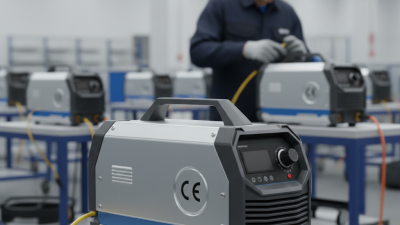
CE certification is crucial for steel pipe cutters, ensuring safety and quality. It indicates that products meet European Union standards. This is vital for companies seeking to compete globally. Manufacturers with CE certification often enjoy better market access and consumer trust.
Research shows that products lacking certification face strict regulations. In fact, items without CE marking have a higher risk of rejection at import points. An analysis by industry experts highlighted that 70% of buyers prioritize certified tools. This statistic underscores the importance of CE certification in the procurement process.
Many manufacturers are unaware of the intricacies involved in obtaining CE certification. The process can be complex and may require independent testing. Some companies may rush forward without proper documentation, leading to costly errors. It’s often a significant investment but one that pays off in the long term. Understanding these nuances is key for manufacturers and buyers alike.
Overview of Wholesale Steel Pipe Cutters in the Market
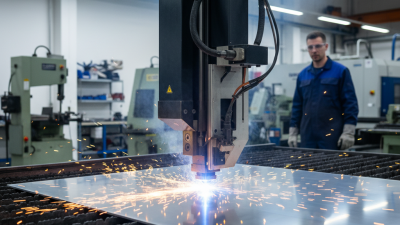
The market for wholesale steel pipe cutters is expanding rapidly. According to a recent industry report, the global steel pipe cutter market is expected to reach $1.5 billion by 2025, growing at a CAGR of 6.2%. This growth reflects the increasing demand for precise cutting in construction and manufacturing. Steel Pipe Laser Cutters are becoming popular due to their efficiency and accuracy. They enable businesses to save time and reduce waste.
In discussing options for wholesale steel pipe cutters, it's essential to understand the diverse features available. Some models come with advanced automation, enhancing performance and user-friendliness. However, not all machines meet industrial standards, which can lead to inconsistencies. Many users report that low-cost models may compromise on cutting quality over time. Investing in a reliable cutter from a trusted source can yield better long-term results.
The challenge lies in selecting the right equipment. With numerous options available, it can be overwhelming. Buyers must consider the cutter's capabilities, maintenance requirements, and the support services offered by suppliers. This complexity often leads to second-guessing decisions, highlighting the need for research. Reliable data and expert advice can significantly aid in making informed choices in this evolving market.
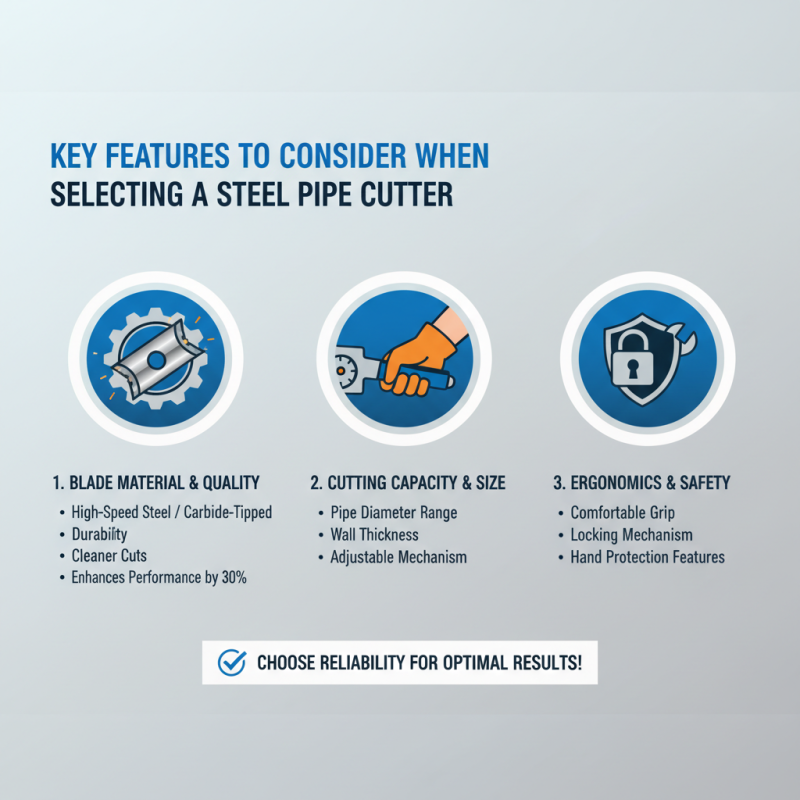
Key Features to Consider When Selecting a Steel Pipe Cutter
When selecting a steel pipe cutter, certain key features are critical. First, assess the blade material and quality. High-speed steel and carbide-tipped blades are common. They provide durability and cleaner cuts. Reliable reports indicate that well-crafted blades can enhance overall performance by up to 30%.
Portability is another essential feature. Many professionals value lightweight, compact designs for easy transport. This is particularly vital for onsite tasks. Additionally, ergonomic handles can reduce strain during prolonged use. Industry statistics show that improper grip can lead to fatigue, reducing productivity significantly.
Lastly, consider the cutter's cutting capacity. Its maximum pipe diameter should align with your typical projects. Cutters with adjustable features can accommodate a range of sizes, making them more versatile. However, not all models offer this flexibility, which can be a limitation. Therefore, assess your needs carefully to avoid regrets later.
Top 10 CE Certification Steel Pipe Cutters: Comparison and Analysis
When looking for a reliable steel pipe cutter,
CE certification is vital.
It ensures that the product meets safety and quality standards. The right cutter can greatly enhance efficiency.
A Stainless Steel Pipe Cutter
is often favored for its durability and precision. Various options are available in the market, making it
essential to compare features and prices.
When choosing a cutter, consider the material and blade quality.
A high-quality blade ensures smoother cuts and requires less force. Users often overlook maintenance needs.
Regular blade sharpening and cleaning can prolong the cutter's lifespan. Paying attention to these aspects can make a
significant difference.
Another essential factor is the cutter's portability.
If you work on-site, a lightweight design is helpful. However, be cautious; not all lightweight cutters maintain
proper cutting power. Striking a balance is crucial. Evaluating your specific needs can help you make an informed choice.
Investing time in research often leads to better long-term results.
Price Ranges for CE Certified Wholesale Steel Pipe Cutters
When considering CE certified wholesale steel pipe cutters, price ranges vary significantly. Generally, these tools can range from $150 to over $1,500 depending on specifications and features. A recent industry report noted that entry-level models are often priced between $150 and $500. These options typically offer basic functionality suitable for lighter, less demanding tasks.
Mid-range Steel Tube Cutters generally cost between $500 and $1,000. They provide improved durability and performance, addressing industrial needs. High-end tools exceeding $1,000 come with advanced features, such as automatic cutting capabilities and enhanced safety mechanisms. The decision in selecting a steel tube cutter often depends on specific job requirements and budget allocations.
Despite a wide range of options, some buyers may feel overwhelmed. Inexperienced users might purchase tools that don’t meet their needs. Furthermore, unexpected maintenance costs can arise, highlighting the importance of thorough research. Evaluating the total cost of ownership is essential. Prices may seem appealing upfront; however, the cheapest option isn’t always the best. Balancing price with functionality ensures better long-term investment.
Top 10 CE Certification Wholesale Steel Pipe Cutter Pricelist Options
| Cutting Capacity (mm) |
Price Range (USD) |
Weight (kg) |
Cutting Speed (m/min) |
Power (kW) |
| 50 |
$200 - $300 |
5 |
20 |
1.5 |
| 75 |
$350 - $450 |
7 |
25 |
2.0 |
| 100 |
$500 - $700 |
10 |
30 |
3.0 |
| 150 |
$800 - $1000 |
15 |
35 |
4.0 |
| 200 |
$1200 - $1500 |
20 |
40 |
5.5 |
| 250 |
$1600 - $2000 |
25 |
45 |
7.0 |
| 300 |
$2200 - $2600 |
30 |
50 |
8.5 |
| 350 |
$2800 - $3200 |
35 |
55 |
10.0 |
| 400 |
$3400 - $4000 |
40 |
60 |
12.0 |
| 450 |
$4200 - $5000 |
45 |
65 |
15.0 |
| 500 |
$5200 - $6000 |
50 |
70 |
18.0 |
Evaluating Supplier Reputation and Customer Reviews
When searching for CE certification wholesale steel pipe cutters, evaluating supplier reputation matters greatly. Begin with online reviews. Customers often share valuable insights about their experiences. Look for consistent feedback regarding product quality and reliability. High ratings can indicate trustworthiness, but be cautious of overly positive reviews. Sometimes, these can be misleading.
Engaging with suppliers directly can provide deeper understanding. Ask questions about the manufacturing process and after-sales support. A reputable supplier will be transparent about their practices. Additionally, check for any industry certifications or affiliations. This helps establish credibility. Availability of parts and maintenance services can also reflect a supplier's reliability.
Testing the equipment before purchase is essential. Conducting a side-by-side comparison of different models can help assess functionality. The Steel Tube Laser Cutter, for example, offers precision but may need specialized knowledge for operation. Don't hesitate to gather quotes from various suppliers. This is not just about price; it's about finding a partner who values quality and customer service. Always remember that every decision should reflect careful consideration of both reputation and reviews.
Future Trends in Steel Pipe Cutting Technology and Certification Standards
The cutting of steel pipes has seen remarkable advancements in recent years. Innovative technologies are reshaping how we approach this critical task. Automation, for instance, is becoming more prevalent. Automated machines can perform cuts with precision, reducing human error. This shift not only increases productivity but also enhances safety on job sites.
Certifications in steel pipe cutting are evolving as well. Emerging standards focus on environmental impact and energy efficiency. These certifications help ensure that companies comply with industry regulations while promoting sustainable practices. However, the rapid pace of technological change often leads to uncertainty. Companies may struggle to keep up with the latest requirements.
As we look to the future, the possibility of integrating AI into cutting processes appears promising. AI could optimize cutting patterns and reduce waste significantly. Yet, this also raises questions about job displacement. Organizations must adapt to these technologies while maintaining a skilled workforce. Balancing innovation with human expertise is vital for long-term success.
FAQS
: Assess the blade material and quality for durability and cleaner cuts.
Lightweight, compact designs make transport easier, especially for onsite tasks.
Ergonomic handles reduce strain during prolonged use and enhance productivity.
Cutting capacity refers to the maximum pipe diameter the cutter can handle.
Prices range from $150 to over $1,500 depending on features and specifications.
Entry-level models may not meet user needs for demanding tasks and can lack durability.
Some low-cost options can incur unexpected maintenance costs, impacting long-term investment.
Yes, some models offer adjustable features, but not all. Assess your needs carefully.
High-end tools may include automatic cutting capabilities and enhanced safety mechanisms.
Inexperienced users often purchase tools that do not meet their specific needs.
Conclusion
This article provides a comprehensive overview of CE certification and its significance for steel pipe cutters, highlighting the importance of ensuring quality and safety standards in the industry. It discusses the current market landscape for wholesale steel pipe cutters, emphasizing key features that buyers should consider, such as cutting precision, durability, and ease of use.
The article also presents a comparative analysis of the top 10 CE certified steel pipe cutters, outlining their specifications and price ranges. Additionally, it underscores the importance of evaluating supplier reputation and customer reviews to make informed purchasing decisions. Finally, it touches on future trends in steel pipe cutting technology, including advancements in certification standards, further enhancing the reliability of these essential tools in construction and manufacturing sectors.


 Contact Phone