Picking the right Sheet Cutting Machine can really make a difference when it comes to how smoothly your business runs. There’s a lot to consider, and honestly, it’s not something you want to rush into. Understanding what you actually need is key—this isn’t just a quick buy; it’s about finding the right fit. And let’s be honest, making this decision often calls for a bit of experience and know-how.
You’ll find there are different models out there, each with their own strengths. Some are super precise, perfect if you need tight tolerances, while others are all about speed—great if you’re trying to get through a lot of work fast. Figuring out what’s more important for your operation can be tricky. A machine that’s perfect for one business might not cut it for another, no pun intended.
Reliability is a big deal, too. A good quality machine should give you consistent results and not leave you hanging with unexpected downtime. Of course, even top-notch machines need regular maintenance—nothing lasts forever, right? Thinking back on past experiences with machinery, whether good or bad, can really help steer you toward a solid choice. Getting these details right is crucial if you want to grow and keep things running smoothly.
Understanding Your Business Needs for Sheet Cutting Machines
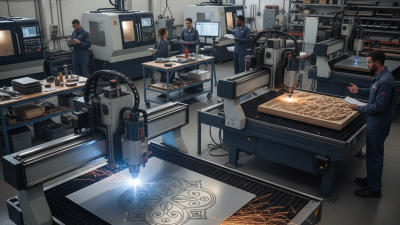
Understanding your business needs is crucial when selecting a sheet cutting machine. Take a closer look at your production volume. Are you a small shop or a large factory? A high-capacity Cnc Sheet Cutting Machine can handle bigger jobs. But if you’re just starting, a smaller, more versatile machine might suffice. Identify your material types too. Different machines excel with various materials, like metal, plastic, or wood.
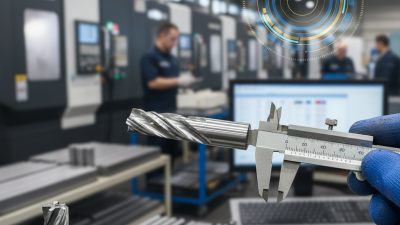
Evaluate the precision and speed you require. Fast jobs might seem appealing, but precision is key in many industries. A CNC sheet cutting machine offers high accuracy, which can save money on reworks. It's important to balance these attributes based on your specific needs.
Consider the space you have for equipment. Some machines require extensive installation space. Reflect on the long-term maintenance and support as well. Will the supplier offer reliable service? This aspect is often overlooked but can save time and frustration. Ultimately, aligning the machine’s capabilities with your unique business requirements will lead to a well-informed decision.
Sheet Cutting Machine Features Comparison
This bar chart compares different sheet cutting machines based on key features such as cutting speed, sheet size, precision, weight, and price. It provides a visual representation to help you decide which machine might meet your business needs best.
Types of Sheet Cutting Machines Available in the Market
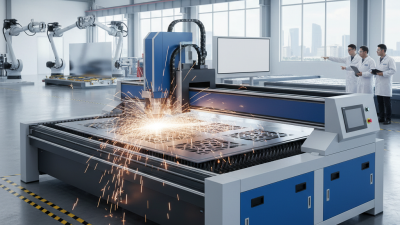
When selecting a sheet cutting machine, understanding the types available is essential. The market presents various options, including CNC plasma cutters, laser cutters, and mechanical shears. Each type suits different materials and production needs. According to a recent industry report, the CNC Metal Sheet Cutting Machine is preferred for precision and efficiency in manufacturing sectors. It can enhance productivity by up to 30% compared to traditional methods.
Laser cutting machines have gained popularity for their ability to handle intricate designs. They achieve high-quality cuts on thin materials, making them ideal for detailed work in industries like aerospace and automotive. However, the initial investment can be significant. Many businesses report challenges in maintenance and operator training, leading to production downtime.
Mechanical shears continue to serve industries with simpler needs. They offer reliability for straight cuts but lack the versatility of CNC and laser options. Reports indicate that businesses often struggle with material waste and limited design capabilities. Choosing the right machine involves weighing these aspects against your production demands and budget constraints.
Key Features to Consider When Choosing a Cutting Machine
When selecting a cutting machine, key features are essential for effective operation. Precision is vital. Look for machines with high accuracy to minimize material wastage. A Cnc Metal Sheet Cutting Machine can provide this accuracy. Ensure the machine can handle various materials, including metals and composites. Flexibility in operations allows your business to grow and adapt.
Consider the machine's ease of use. An intuitive interface can save time during training. Operators should be comfortable with the controls for efficient production. Safety features are also critical. Machines should have emergency stop options and protective guards to enhance workplace safety. It's important to address these factors for an optimal setup.
Tips: Assess the machine's power requirements. Ensure your facility can support it. Regular maintenance is crucial for longevity. Plan for downtime and budget accordingly. Evaluate the after-sales service of the provider. Good support can make a significant difference. Keeping these features in mind will enhance your cutting machine's effectiveness.
Evaluating the Cost and Budget for Sheet Cutting Equipment
When selecting a sheet cutting machine, cost is a critical factor. It's vital to establish a clear budget before diving into options. Consider both the initial purchase price and long-term expenses. Maintenance costs can accumulate over time. Think about warranties and service agreements. These factors can influence the overall spending significantly.
Evaluate the features that matter most to your business. A more advanced machine may cost more, but it could save money on labor and scrap material. Reliability is key. An unreliable machine can lead to costly downtime. Research the market to understand typical price ranges for your desired features.
Take the time to compare different models. Test them when possible. User reviews can provide insight into the machine’s performance. Remember, a lower purchase price might not always mean better value. Balance cost and quality based on your specific needs. Sometimes, spending a bit more upfront can yield better results down the line.
Assessing the Machine's Performance and Efficiency Ratings
When selecting a sheet cutting machine, evaluating its performance and efficiency ratings is crucial. According to industry reports, machines with higher efficiency often reduce operational costs by up to 20%. This statistic highlights the importance of choosing equipment that optimizes output while minimizing waste. Efficient machines consistently deliver precise cuts, which can significantly impact production timelines and quality.
Moreover, the machine's throughput—a critical performance metric—should be assessed. A cutting machine that processes 100 sheets per minute typically indicates a robust design suited for high-demand operations. However, some machines may claim high throughput but fail to maintain accuracy, leading to material loss. Investigating customer reviews and performance trials can reveal these discrepancies.
Another important aspect is energy consumption. Machines that operate with lower energy usage not only reduce costs but also support sustainability initiatives. In fact, data shows that energy-efficient models can lower electricity costs by up to 15%. Nonetheless, balancing power consumption with necessary performance features can be challenging, as efficiency often comes with trade-offs. Regular evaluations allow businesses to identify the best fit for their operational needs while considering long-term impacts.
How to Choose the Best Sheet Cutting Machine for Your Business? - Assessing the Machine's Performance and Efficiency Ratings
| Machine Model |
Cutting Speed (m/min) |
Power Consumption (kW) |
Material Compatibility |
Efficiency Rating |
| Model A |
15 |
2.5 |
Wood, Plastic |
A+ |
| Model B |
20 |
3.0 |
Metal, Composite |
A |
| Model C |
10 |
1.8 |
Paper, Cardboard |
B |
| Model D |
25 |
4.5 |
Plastic, Rubber |
A++ |
| Model E |
18 |
2.0 |
Textile, Leather |
A |
Maintenance and Support Options for Sheet Cutting Machines
Maintenance plays a crucial role in the longevity of your sheet cutting machines. Regular upkeep ensures that your equipment operates at peak efficiency. Neglecting maintenance can lead to unexpected downtime and costly repairs. A scheduled maintenance plan can help catch minor issues before they escalate. This proactive approach often saves money and time, allowing your business to maintain productivity.
Support options are equally important for machine longevity and productivity. When choosing a sheet cutting machine, consider the availability of technical support and training. Some manufacturers provide comprehensive training programs, ensuring that your team knows how to operate the Cnc Metal Sheet Laser Cutting Machine effectively. Without proper training, users might inadvertently cause damage or misconfigure the machine.
Another factor to consider is the availability of spare parts. A machine is only as reliable as the support you can access. Research the supplier's commitment to providing timely support and parts. Delays in obtaining parts can hinder operations. Think about your business's needs and ensure that help is only a call away. These considerations are fundamental to selecting the right equipment for your business.
Expert Tips for Maximizing the Use of Your Cutting Equipment
Choosing the right sheet cutting machine can significantly impact efficiency. Once you have the equipment, maximizing its use is crucial. Here are some tips to enhance your operations.
Regular maintenance is key. A well-maintained machine operates smoothly and reduces downtime. Schedule routine checks and cleanings. Inspect the blades for wear. Replace them promptly to ensure precision cuts. A worn blade can cause jagged edges, leading to wasted materials.
Training staff thoroughly is equally important. Encourage operators to understand the machine's features. Familiarity with operational settings improves efficiency. Create a manual or guidelines. A well-informed team can troubleshoot minor issues quickly, preventing costly delays.
Monitoring productivity is vital. Track output regularly. Analyze data to identify bottlenecks. Adjust workflows based on this information. Sometimes, simple changes can lead to significant improvements. Reflect on your processes and make ongoing adjustments. Continuous improvement can boost your bottom line.
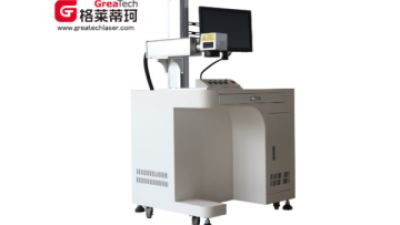
High-Precision Fiber Laser Marking Machine HF1000: Revolutionizing Industrial Marking Solutions for Enhanced Reliability and Performance
The High-Precision Fiber Laser Marking Machine HF1000 is transforming the landscape of industrial marking solutions by offering unprecedented reliability and performance. Engineered with the latest fiber laser technology, this machine ensures exceptional precision and stability, which are critical for industries demanding high standards. Its fast marking speeds and consistent beam quality translate to clear, durable, and permanent engravings on a diverse range of materials. This capability underscores its importance in sectors including electronics, automotive components, medical devices, and precision tools.
One of the standout features of the HF1000 is its low maintenance requirement, which allows for uninterrupted production and effective traceability management. Manufacturers can achieve efficient production workflows without compromising on quality, making this machine an ideal investment. As industrial demands evolve, the HF1000 meets the requisite challenges head-on, providing a cost-effective marking solution that enhances overall productivity. The machine stands out as a reliable asset for any operation looking to harness the power of modern marking technology.
FAQS
: Options include CNC plasma cutters, laser cutters, and mechanical shears. Each type suits different materials.
They offer precision and efficiency, boosting productivity by up to 30% compared to traditional methods.
They can handle intricate designs and produce high-quality cuts on thin materials. Ideal for detailed work.
High initial costs and maintenance issues can lead to production downtime and require extensive operator training.
They are reliable for straight cuts, but they lack versatility and can result in material waste.
Higher efficiency can reduce operational costs by up to 20%, affecting output and waste management.
Throughput measures the number of sheets processed per minute. Accurate machines reduce material loss during production.
Energy-efficient machines lower electricity costs by up to 15%, but balancing power use with performance is crucial.
Assess production demands, budget constraints, and operational efficiency to find the best fit.
It helps identify the best equipment for operational needs and long-term sustainability goals, revealing performance gaps.
Conclusion
Choosing the best Sheet Cutting Machine for your business involves a comprehensive understanding of your specific needs and the various types available in the market. It's essential to evaluate key features such as cutting speed, precision, and versatility, as these will directly influence the machine's performance and efficiency. Additionally, establishing a clear budget is crucial, as costs can vary widely depending on the machine's capabilities and additional features.
Incorporating a maintenance plan and exploring support options can further enhance the longevity and reliability of your Sheet Cutting Machine, ensuring it meets your production demands over time. Following expert tips can also help in maximizing your equipment's utility and efficiency. By carefully assessing these factors, business owners can make informed decisions that align with their operational goals and enhance productivity.


 Contact Phone