

When you're diving into machining, having a good Metal Cutter is pretty much essential. I mean, James Miller from Precision Tools Inc., an expert in the game, mentioned recently that, “Picking the right Metal Cutter can seriously make or break your project's efficiency.” It’s not just about grabbing any cutter out there—it really pays to understand what factors matter most.
There are tons of options available, from traditional saws to high-tech lasers, and each one is designed to do different kinds of work. The thing is, knowing what material you’re working with is key—soft metals like aluminum, for instance, need a completely different cutter than tougher stuff. Picking the right blade or cutter can really boost both your performance and accuracy.
That said, I get it—sometimes, it feels super confusing to choose the perfect Metal Cutter. People often overlook some important features, which can end up giving you less-than-stellar results. Feedback from the industry honestly shows that understanding these little details really makes all the difference. So, taking some extra time to do your homework on this stuff usually pays off in the long run.
A metal cutter is a versatile tool used for shaping and cutting metal materials. They come in various forms, such as saws, shears, and lasers. Each type serves specific tasks, making them essential in construction and manufacturing. Understanding these tools' functions can be overwhelming for beginners. Many may struggle to choose the right one for their projects.
Selecting a metal cutter involves considering several factors. First, assess the type of metal you plan to work with. Different metals require different cutting methods. For instance, soft metals may need a different approach than harder metals. It's vital to understand your needs before purchasing a cutter.
Another key factor is the cutter’s power source. Electric, pneumatic, and manual options exist, each with its benefits and drawbacks. Some may prefer the convenience of electric models. Yet, others may find manual tools provide better control. Always consider your skill level and comfort with handling such tools. There’s no one-size-fits-all solution, and personal preference plays a significant role.
| Type of Metal Cutter | Material Cut | Cutting Capacity (mm) | Power (W) | Weight (kg) | Price Range ($) |
|---|---|---|---|---|---|
| Angle Cutter | Steel, Aluminum | 10-25 | 500-1500 | 5.0 | 100-300 |
| Band Saw Cutter | Metal, Plastic | 50-150 | 800-2000 | 75.0 | 300-700 |
| Plasma Cutter | Stainless Steel, Aluminum | 15-30 | 30-70 | 10.0 | 200-600 |
| Laser Cutter | Metal, Wood, Plastic | 0.5-25 | 1000-5000 | 200.0 | 5000-20000 |
| CNC Machine Cutter | Metal, Composite | 10-50 | 1500-4000 | 90.0 | 2000-10000 |
When exploring metal cutters, it's crucial to understand the various types available.
Band saws are popular for their versatility. They can handle different metal thicknesses with ease. Their continuous blade allows for smooth cutting edges.
However, they may require frequent blade changes, which could be inconvenient.
Another option is the plasma cutter. This tool is known for precision.
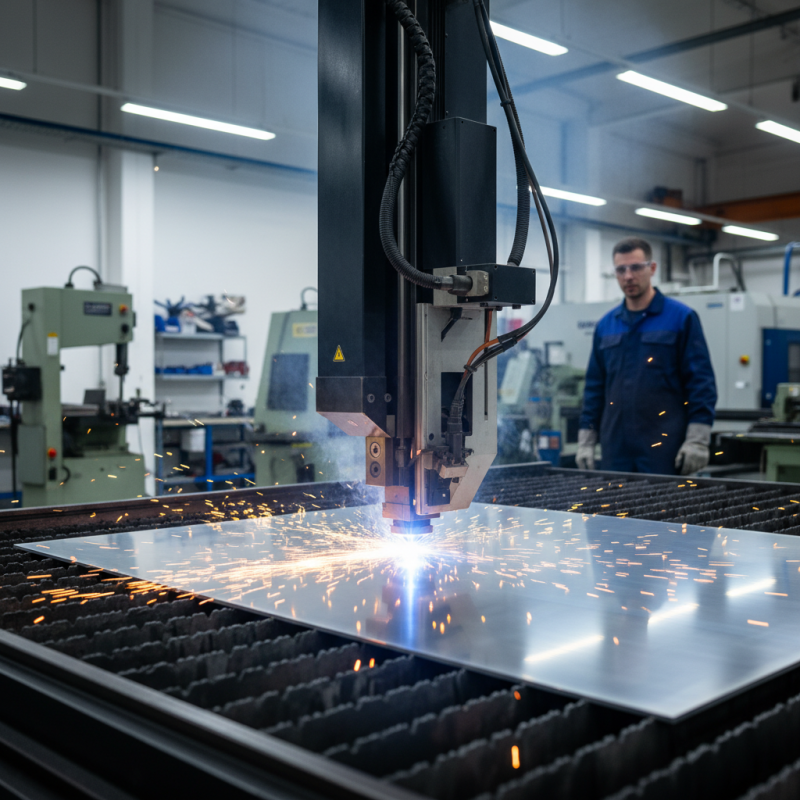
It's excellent for cutting through thick metals rapidly. Plasma cutters use a high-temperature plasma arc to slice through materials.
While efficient, they need proper safety precautions. Handling requires an understanding of electric tools. Users must respect the power they wield.
Lastly, there are shears and nibblers. These are great for sheet metal. They provide clean cuts but may not work well on thicker pieces.
Shears can sometimes warp metal edges if not used carefully. Nibblers are slower but offer accuracy. Each type has pros and cons.
Evaluating your project needs is crucial in making the right choice.
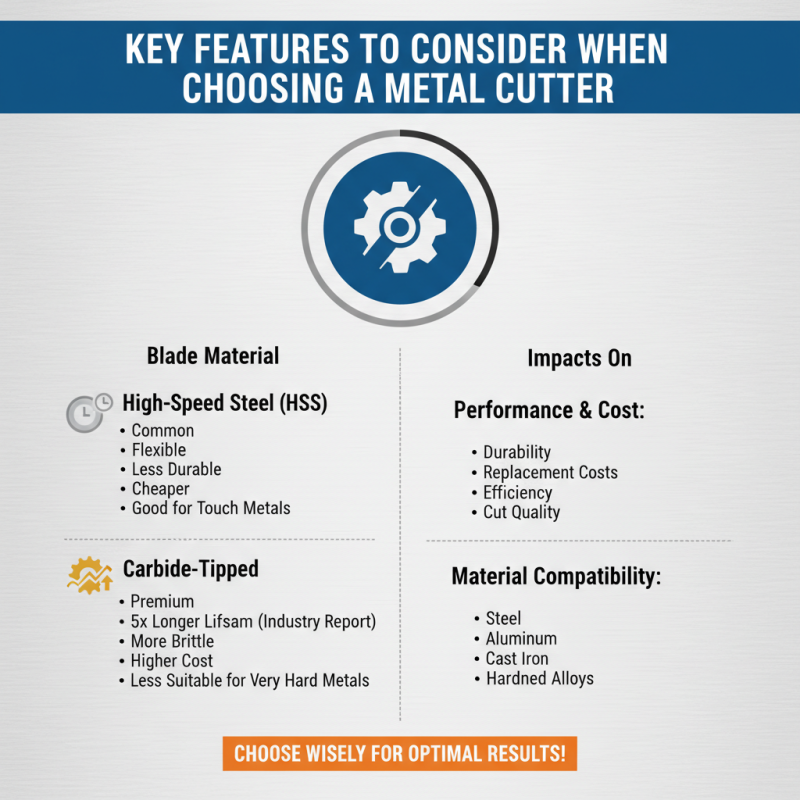
When selecting a metal cutter, several key features can significantly impact its performance. One of the most critical aspects is blade material. High-speed steel (HSS) and carbide-tipped blades are popular choices. According to a recent industry report, carbide blades can last up to five times longer than HSS. This durability can lead to lower replacement costs and increased efficiency. However, they can be more brittle, making them less suitable for handling tough metals.
Another important consideration is cutting speed. The optimal speed depends on the material being cut. For instance, softer materials like aluminum may require higher speeds, while harder metals like steel might need slower rates. An industry study indicates that using the correct speed can improve a metal cutter's lifespan by up to 20%. It’s crucial to match the cutter's specifications with the intended application to maximize efficiency.
Lastly, ergonomic design shouldn't be overlooked. A well-balanced metal cutter can reduce operator fatigue, enabling longer usage periods without discomfort. Many users report that poor handling can lead to poor cuts and increased errors. Therefore, investing in a metal cutter that fits well in the user's hand is more than just a luxury; it’s a necessity for precision and productivity.
Choosing the right metal cutter involves understanding materials compatibility. Different metals require specific cutting methods and tools. For instance, a Cnc Metal Cutter excels with aluminum, while other metals like stainless steel need specialized blades. When selecting a cutter, consider the material thickness and hardness.
Recent industry reports indicate that 70% of manufacturers face challenges in material compatibility. This statistic highlights the importance of aligning equipment with material characteristics. A mismatch can lead to poor cuts or tool wear. It's crucial to assess the cutter's specifications carefully. Some cutters may claim versatility but may not perform well across all materials.
Investing time in research will pay off. Understanding the properties of the metal you are working with is key. Each material behaves differently during cutting. A well-informed choice can improve efficiency and reduce costs. The right CNC metal cutter can enhance productivity significantly, but the wrong choice may negate these benefits.
When selecting a metal cutter, it's essential to compare popular options. Understanding their nuances can lead to better decisions. For instance, Cnc Cutter and plasma torches serve different purposes. CNC cutters offer precision and automation. These machines excel in creating intricate designs. However, they may require a learning curve.
Plasma cutters provide speed and power. They are great for thicker materials. Yet, they can produce rough edges if not handled correctly. Beginners may find these tools challenging. Clear knowledge of your project needs can guide your choice effectively.
Consider the size and thickness of the material you will cut. Not all metal cutters handle every task. High-quality cuts need precision tools, but affordability is also a factor. Reflect on these aspects as you explore options. Selecting the best metal cutter should match your experience level and project goals.
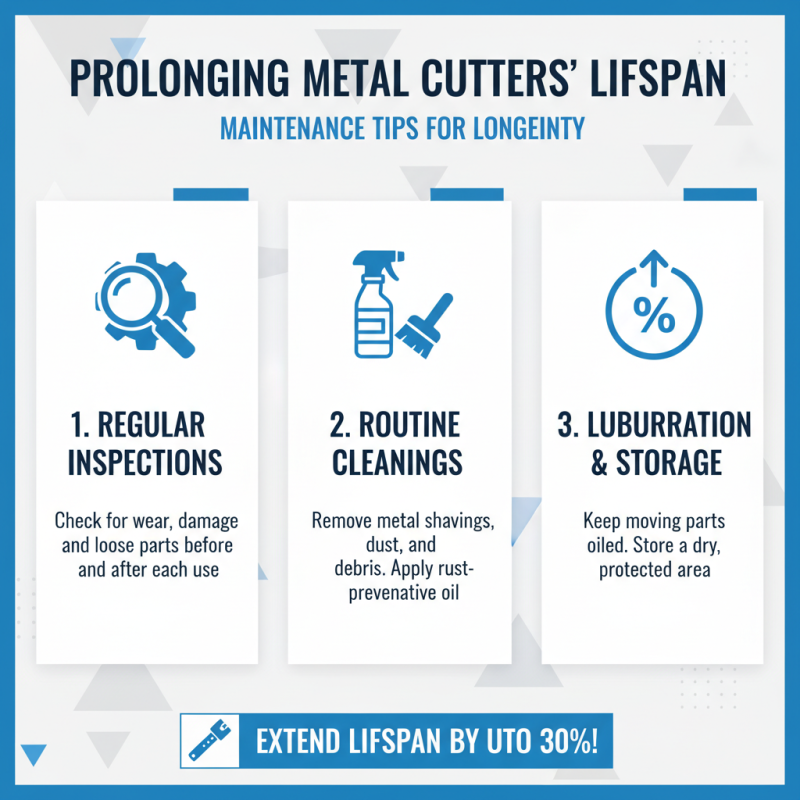
When using a metal cutter, proper maintenance is vital for its longevity. According to industry reports, regular care can extend a cutter’s lifespan by up to 30%. This emphasizes the significance of routine inspections and cleanings.
Cleaning a Pipe Cutter after each use prevents rust and metal buildup. Ensuring that debris is cleared from the blade and components can enhance cutting performance. Lubrication is also crucial. Using appropriate lubricants can minimize friction and wear. A well-lubricated cutter can operate 40% more efficiently than a neglected one.
It’s important to also store cutters correctly. Keeping them in a dry, controlled environment can reduce the risk of corrosion. Neglecting proper storage conditions often leads to premature wear. While these steps seem basic, many users overlook them. Regular attention to these details can save significant costs in the long run.
When using a metal cutter, safety should always be a top priority. Statistics indicate that nearly 30% of workplace injuries involve cutting tools. Many of these incidents arise due to improper safety practices. Wearing appropriate personal protective equipment (PPE) is essential. This includes gloves, safety goggles, and hearing protection. These items can significantly reduce the risk of injury during operation.
Additionally, users should be aware of their workspace. A cluttered area can lead to accidents. Ensure that the cutting area is clean and organized. When using a Bevel Cutter, keep hands clear of the blade and always cut away from your body. Excitement about a project can lead to carelessness. Remember, rushing increases risks. Following the manufacturer’s guidelines for operation is crucial.
Proper training is vital as well. Many employees may not receive formal training on using metal cutters like the Bevel Cutter. Continuous education and refresher courses can enhance safety practices. Regular equipment checks can prevent malfunctions. Over time, even the best tools can wear down. Ensure that your metal cutters are maintained for safe use.
: Blade material affects performance. Carbide blades last longer than HSS, but can be brittle.
Optimal cutting speed is essential. Softer materials need higher speeds, while harder metals require slower rates.
A well-balanced cutter reduces operator fatigue, leading to better precision and productivity during long usage.
Regular maintenance can extend a cutter’s lifespan by 30%. Clean and inspect your cutter regularly.
Appropriate lubrication minimizes friction. A well-lubricated cutter operates 40% more efficiently than a neglected one.
Store cutters in a dry, controlled environment to prevent corrosion and premature wear. Proper storage is crucial.
Wear PPE like gloves and goggles. Keep your workspace clean and organized to prevent accidents.
Many users lack formal training. Continuous education improves safety practices and reduces workplace injuries.
Regular equipment checks are important. If you notice wear, consider maintenance or potential replacement.
Clean your cutter after every use. This prevents rust and ensures better cutting performance.
A metal cutter is a specialized tool designed for cutting various types of metal materials efficiently and accurately. When choosing the best metal cutter, it's essential to understand the different types available, such as band saws, plasma cutters, and laser cutters, and how each suits specific cutting tasks. Key features to consider include cutting capacity, power source, and precision. Additionally, compatibility with materials is crucial; not all metal cutters can effectively cut through every type of metal.
To ensure longevity, regular maintenance is recommended, along with a focus on safety precautions while operating these tools to prevent accidents. A comparative analysis of popular metal cutters can help you make an informed choice, ensuring that you select the right tool to meet your metalworking needs effectively.