Getting the right Pipe Cutting Machine can really make a difference in how smoothly your operations run. I recently read a report from the Global Pipe Cutting Machine Market Analysis, and it turns out, the demand for these machines is expected to grow about 8% every year through 2025. That’s a pretty clear sign that folks need to understand their needs and keep an eye on the market if they want to stay ahead.
Sometimes, companies overlook some pretty important stuff when they're shopping around. Things like quality, whether the machine can actually handle their workload, and whether their supplier is reliable — those should be top of the list. It’s not always easy to match what your operation needs with what the supplier offers, and that’s where it can get tricky. Choosing the right Pipe Cutting Machine isn’t just about picking what's cheapest; it can actually cut down on waste and boost your production. But honestly, the whole decision-making process can sometimes feel overwhelming.
Jumping into a purchase without doing enough homework can backfire pretty quickly. Industry pros suggest taking your time — do thorough market research and carefully evaluate the equipment before you buy. Tapping into the advice of consultants or reading reviews online can really help you make smarter choices. And hey, taking a moment to think about past buying experiences — what worked, what didn’t — can save you a lot of headaches down the road and help you make better decisions next time around.
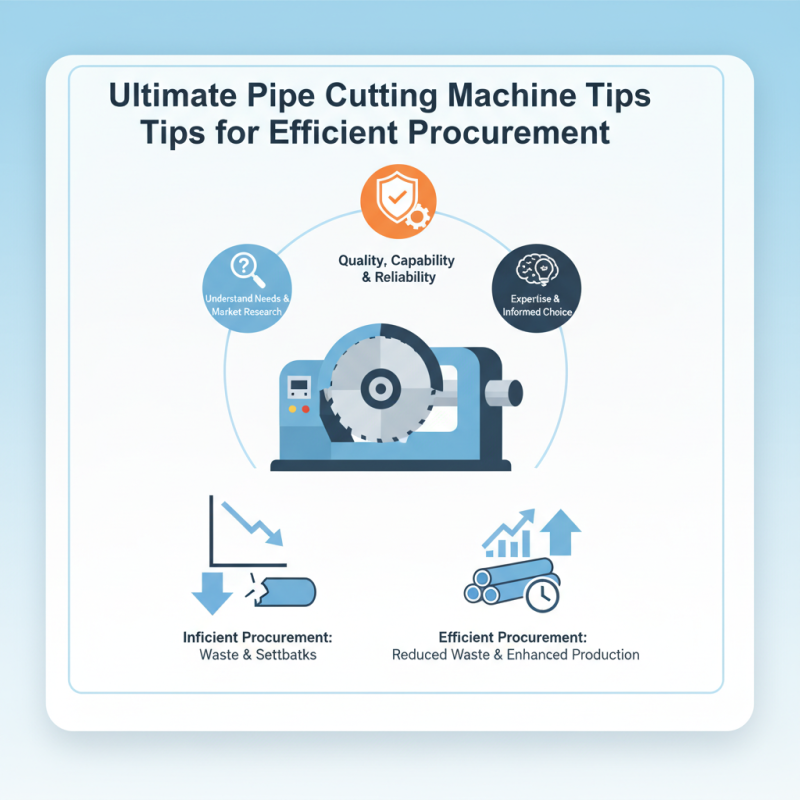
Understanding Pipe Cutting Machines and Their Applications
Pipe cutting machines are essential tools in various industries. They streamline the cutting process for different types of pipes, ensuring precision and efficiency. Understanding their applications helps in selecting the right machine for your needs. These machines can cut through metals, plastics, and other materials, making them versatile.
When considering a pipe cutting machine, think about the specific material and dimensions of the pipes you work with. Each Cutting Machine Pipe may have different features suited for specific tasks. It's vital to assess the features, such as speed, accuracy, and ease of use before making a purchase. Always request demonstrations if possible.
It's important to choose machines from reputable suppliers. This ensures that you receive quality equipment that meets safety standards. Regular maintenance also cannot be overlooked. Neglecting this can lead to inaccuracies and unsafe working conditions. Integrating these tips can lead to more efficient procurement and help mitigate potential issues with your cutting machinery.
Key Factors to Consider When Sourcing Pipe Cutting Machines
When sourcing pipe cutting machines, several key factors deserve attention to ensure efficient procurement. Quality and reliability are paramount. According to industry reports, nearly 30% of equipment failures come from poor craftsmanship. A machine built from quality materials can enhance durability and reduce downtime, which is critical in high-volume operations.
Understanding the specific needs of your operation is vital. Assess the types of pipes you'll be cutting. Different materials may require different cutting technologies. For example, stainless steel pipes might necessitate a machine with advanced cutting capabilities for precision. This emphasizes the importance of researching various options before making a decision.
Tip: Always verify the warranty and service agreements of any equipment. Machines should come with strong support from manufacturers. A solid warranty can safeguard your investment.
Consider the machine's technology and features. Automated systems, for instance, can drastically improve efficiency. According to a study by the Manufacturing Institute, automation can boost productivity by over 20%. Balancing cost with functionality is crucial, so investing in technology that aligns with your needs pays off in the long run.
Comparing Different Types of Pipe Cutting Technologies
When considering pipe cutting technologies, it's crucial to compare several methods to choose the most efficient one. Traditional cutting techniques include saws and torches. However, these often suffer from inaccuracies, resulting in wasted materials. Reports suggest that up to 15% of material can be wasted when using manual cutting methods. This inefficiency can lead to higher costs and longer project timelines.
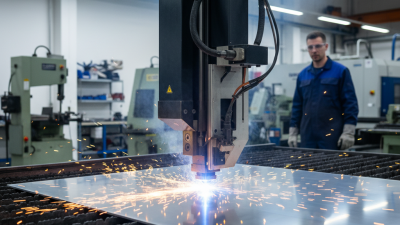
In contrast, modern pipe cutting machines utilize advanced technologies like plasma, laser, and water jet cutting. These methods ensure precision and minimize waste. For example, laser cutting can achieve a tolerance of only 0.1 mm, which is significantly better than the 1-2 mm typical in manual processes. Industry data shows that companies using laser cutting can reduce operational costs by approximately 20%. However, the initial investment can be substantial, prompting some companies to reconsider their procurement strategies.
Cutting Pipe Machine technologies are evolving. Yet, companies sometimes overlook maintenance, which is vital for efficiency. Regular checks can prevent errors and extend the machine’s lifespan. Neglecting this can result in breakdowns, leading to costly delays. Finding the right balance between cost, technology, and maintenance is essential for effective procurement.
Comparison of Different Pipe Cutting Technologies
Evaluating Supplier Credentials and Reputation
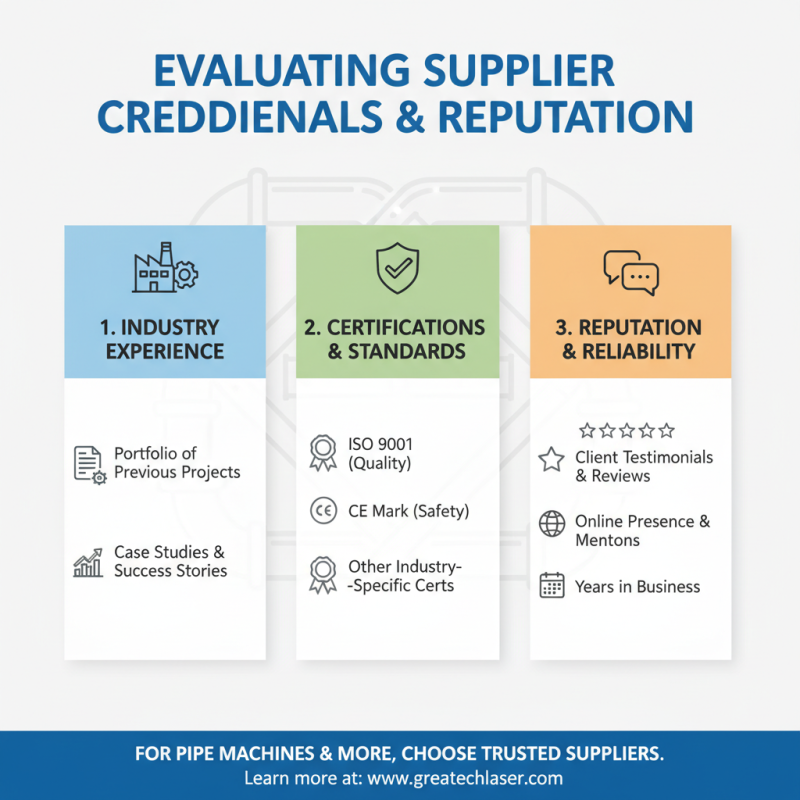
When considering a supplier for a Pipe Machine, validating their credentials is crucial. Start by checking their industry experience. A reputable supplier often has a portfolio showcasing previous projects. Look for case studies that demonstrate their expertise. Research any certifications they hold. Certifications can indicate a commitment to quality and safety standards.
Customer reviews and feedback are essential. Reliable suppliers will have testimonials from satisfied clients. Pay attention to any negative reviews. These can provide insight into potential issues. Reach out to references if possible. Direct insights from previous customers can reveal whether the supplier can deliver as promised.
Evaluate their customer service. A supplier should be responsive and helpful. Lack of communication can be a red flag. Ask questions about their warranty and support services. Ensure they have a clear return policy. A strong supplier will stand behind their pipe machines, showing confidence in their products and services. Look for suppliers who are willing to engage in discussions about your specific needs.
Best Practices for Negotiating Purchase Agreements
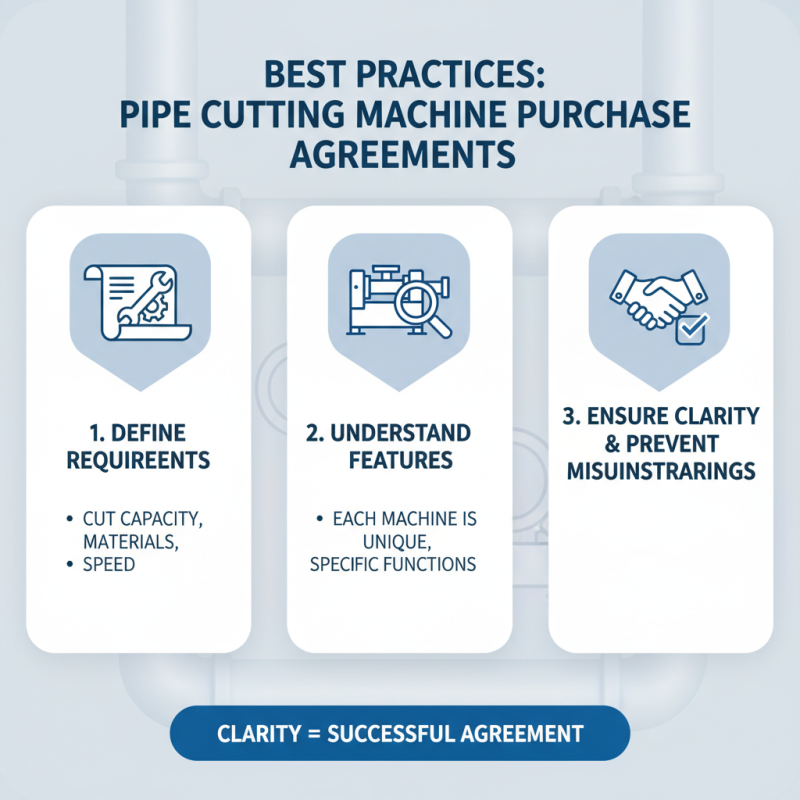
When negotiating purchase agreements for a pipe cutting machine, clarity is essential. Define your requirements upfront. Understand the specific features you need. This might include cutting capacity, materials, or speed. Each machine has distinct functions. Being specific prevents misunderstandings later.
Price is often the focal point in negotiations, but it's not the only consideration. Ensure you discuss warranty terms and after-sales service. How easily can you access replacement parts? This aspect can save you time and money in the long run. Many buyers overlook service agreements, risking future problems.
In some cases, suppliers may propose terms that sound appealing. However, examine these closely. Hidden fees can inflate overall costs. Always read the fine print. If something feels off, ask questions. A successful negotiation leaves both parties satisfied. This builds a trustworthy relationship and ensures smoother operations. Be prepared to walk away if terms don’t align with your needs. Sometimes, patience leads to better offers.
Assessing After-Sales Support and Maintenance Options
When selecting a pipe cutting machine, after-sales support and maintenance options are crucial. Industry reports suggest that 30% of operational failures can be traced back to inadequate maintenance. This statistic underscores the need for robust after-sales service. A well-structured support system can prevent minor issues from escalating into costly downtimes.
Regular maintenance is essential for optimal performance. Many manufacturers recommend adherence to a maintenance schedule every 300 hours of operation. This can enhance the longevity of a Machine Pipe and ensure precision in cutting. However, not all companies offer this level of support. It is vital to assess the availability of spare parts and technical assistance. Reports indicate that 45% of businesses experience delays due to unresponsive manufacturers in such scenarios.
Choosing a machine pipe with comprehensive after-sales support can significantly impact productivity. The right partner can provide training and resources, promoting efficient use. Missing these opportunities can lead to frustrations. Industry experts recommend verifying the service records of potential providers. Making informed choices will ultimately save time and resources.
Maximizing Efficiency and Cost-Effectiveness in Procurement
Efficient procurement of pipe cutting machines is essential for industries relying on precision and speed. Reports indicate that up to 30% of operational costs stem from inefficient equipment sourcing. Streamlining procurement can lead to significant savings and improved project timelines.
Understanding specific project needs is critical. Companies must assess cutting requirements, material types, and production volumes. Adapting to these factors can reduce waste. A study showed that over 40% of procurement failures resulted from misalignment between project demands and machine capabilities. Engaging industry experts to evaluate potential machines can mitigate this risk.
Cost-effectiveness often stems from a balance between quality and price. Investing in high-quality machinery may seem costly upfront. However, a 2022 market analysis revealed that durable machines reduce maintenance costs by up to 50% over five years. This demands reflection: will a cheaper option lead to higher long-term costs? Careful evaluation during procurement can prevent missteps and enhance overall productivity.
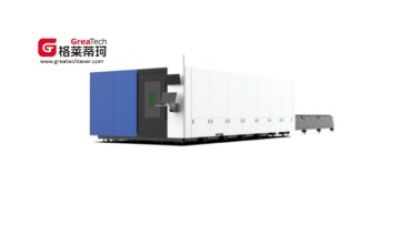
Optimizing Production Efficiency with Fully Enclosed Fiber Laser Cutting Machines: Insights from Industry Reports and Trends
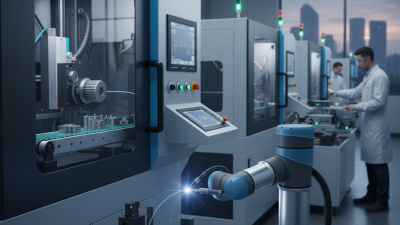
The demand for high-efficiency production solutions has driven the adoption of fully enclosed fiber laser cutting machines across various industries. Recent industry reports indicate that companies utilizing advanced fiber laser technology experience productivity increases of up to 30%, primarily due to the ability to perform simultaneous cutting and loading or unloading tasks. This dual worktable feature allows operators to sustain continuous production cycles, significantly reducing operational bottlenecks.
An impressive exchange time of just 10-15 seconds further enhances the effectiveness of these machines, minimizing downtime and maximizing equipment utilization. Reports suggest that manufacturers leveraging fiber laser cutting technology can expect up to 50% increases in production capacity, fueled by superior cutting speeds and precision. The capability to process diverse metal sheets, including carbon steel, stainless steel, and aluminum alloy, positions these machines as versatile solutions in sheet metal processing, hardware manufacturing, and engineering machinery sectors.
Moreover, the safety and environmental aspects of these machines cannot be overlooked. Equipped with full enclosed protection and zoned dust extraction, they provide a safe working environment while reducing airborne pollutants. The addition of intelligent cutting features such as automatic edge finding and intelligent nesting not only optimizes material usage but also contributes to more sustainable manufacturing practices. As industries seek to enhance their production efficiency, fully enclosed fiber laser cutting machines emerge as an essential investment for achieving high standards of operational excellence.
FAQS
: Clearly outline your requirements, such as cutting capacity and materials. This prevents misunderstandings later.
No, warranty terms and after-sales service are equally important. They can save time and money in the future.
Hidden fees can inflate overall costs. Always read the fine print and ask questions if something feels unclear.
Adequate after-sales support helps prevent operational failures and reduces costly downtimes. Regular maintenance is crucial for performance.
It's recommended to adhere to a maintenance schedule every 300 hours of operation for optimal machine performance.
A comprehensive support system enhances efficiency and prevents frustrations from unresponsive manufacturers or lack of training.
Check service records of potential providers. This helps ensure you choose a partner who meets your needs.
30% of operational failures are due to poor maintenance. This highlights the necessity of having a solid support system.
Ensure that replacement parts are easily accessible. Delays in availability can lead to significant operational issues.
If the terms don’t align with your needs, walking away may lead to better offers later. Patience can pay off.
Conclusion
The article "Ultimate Pipe Cutting Machine Tips for Efficient Procurement" provides a comprehensive guide on how to effectively source pipe cutting machines for various applications. It begins by detailing the importance of understanding different pipe cutting technologies and their specific uses in industries. Key factors to consider during the sourcing process include evaluating supplier credentials, comparing technologies, and ensuring cost-effectiveness.
Additionally, the article emphasizes best practices for negotiating purchase agreements and highlights the significance of after-sales support and maintenance options in ensuring the longevity and efficiency of the pipe cutting machine. By following these guidelines, procurement professionals can maximize operational efficiency while making informed purchasing decisions that align with their organizational needs.

 Contact Phone