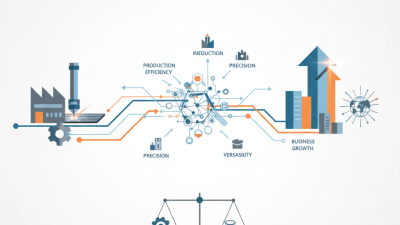
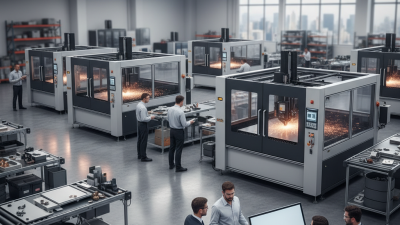
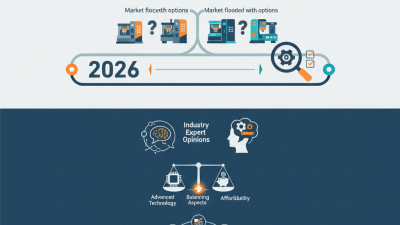
Picking out a laser etching machine can honestly feel a bit overwhelming. The market’s full of options, each with its own set of features, and it’s not always easy to figure out which one’s right for you. Honestly, understanding what you really need is key here.
When you’re trying to choose a laser etching machine, think about the materials you’ll be working with. Different machines tend to shine with different substrates—like, some are perfect for wood and others excel on metal. Also, keep an eye on the power and speed specs because those really impact how good your etching turns out.
And don’t forget about support and training. Some companies will hook you up with helpful resources and info, which is awesome. Sadly, others might leave you hanging, kind of struggling to figure things out on your own. So, it’s a good idea to read up on user reviews and testimonials—those can give you the real scoop and help you find a reliable, effective laser etching machine that suits your needs.
Understanding Laser Etching Technology and Its Applications
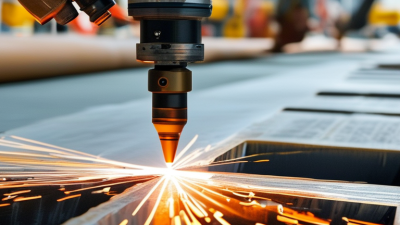
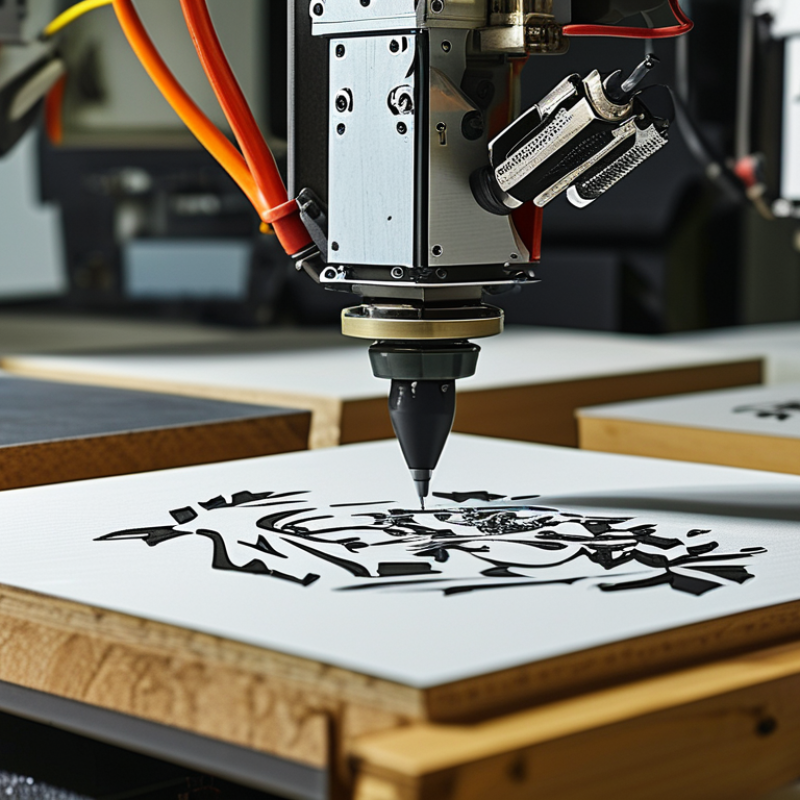
Laser etching technology has revolutionized various industries. It allows users to create precise designs on materials like wood, glass, and metal. The process utilizes a focused beam of light to remove material, achieving intricate patterns with ease. Unlike traditional engraving, laser etching offers higher accuracy and efficiency. It can be applied in creating customized products, promotional items, or even art pieces.
Understanding the different applications is vital. For instance, artists use laser etchers to bring their visions to life. Businesses may leverage this technology for branding purposes. However, potential users should consider the limitations. Not all materials respond well to laser etching. Some plastics may emit harmful fumes. Additionally, the initial investment can be significant, prompting careful budgeting and planning.
While the technology is exciting, it requires practice. Newcomers might struggle with settings and designs. Learning curves are common and may lead to frustrating experiences. Continuous experimentation and adjustment are essential for achieving desirable results. Ultimately, mastering laser etching offers rewarding outcomes for those willing to refine their skills.
Key Features to Look for in a Laser Etching Machine
When choosing a laser etching machine, focus on vital features. Look for power output, as it affects etching speed and precision. A higher wattage allows faster work on dense materials like metals. However, too much power can cause unwanted burns. Finding the right balance is crucial for quality results.
Consider the machine's bed size. A larger workspace accommodates bigger projects. Smaller machines limit creativity and practicality. Next, examine the software compatibility. User-friendly software enhances your experience. The ability to easily upload designs is essential. Some machines come with basic software, while others require more sophisticated programs.
Finally, don't overlook customer support and community feedback. Reliable support can make learning easier. Positive reviews often indicate quality. Engaging with user communities lets you learn from real experiences. Mistakes often teach valuable lessons about the machine's capabilities. Understanding these factors ensures a more satisfying purchase.
Assessing the Material Compatibility for Your Projects
When selecting a laser etching machine, considering material compatibility is crucial. Different materials react uniquely to engraving. Wood, acrylic, glass, and metals all require specific settings for optimal results. Knowing the material's characteristics helps in achieving clear and precise engravings.
Tip: Start by experimenting with sample pieces. This can reveal how your chosen Home Laser Etching Machine interacts with various materials. Fine-tuning speeds and power levels can enhance your outcomes. For instance, certain woods may burn faster, while thicker acrylics might need slower passes.
Reflecting on previous projects is also helpful. If past engravings did not meet expectations, examine the materials used. Some metals might require more power, while delicate glass may shatter with high heat. Learning from these experiences ensures better choices for future projects. Always document your findings for reference.
Evaluating the Power and Speed of Laser Etching Machines
When evaluating laser etching machines,
power
and speed are paramount.
The power of a laser is usually measured in watts, and higher wattage often translates to faster processing times.
For example, a 50W laser can cut through materials like wood and acrylic efficiently.
It’s not uncommon for commercial-grade machines, such as the
Steel Laser Etching Machine,
to reach power levels of 100W or more. This enables them to tackle tougher materials, improving productivity.
Speed, measured in inches per minute (IPM), plays a critical role too.
Most machines operate between 10 to 100 IPM,
depending on the material and complexity of the design. A faster etching speed can enhance throughput,
but it may affect engraving quality. Balancing speed and precision is essential.
Reports suggest that operators should test different settings to find the sweet spot for their specific applications.
Selecting a machine also demands careful consideration of the build quality.
A sturdy frame is crucial for maintaining alignment during high-speed operations.
It's common to overlook this aspect in favor of focusing solely on power and speed.
However, investing in a reliable machine can mitigate issues related to vibration and wobbling, ensuring consistent results over time.
Comparing Different Types of Laser Etching Machines
When comparing different types of laser etching machines, it's essential to consider your specific needs.
Fiber Laser Etching Machines are known for their versatility and efficiency. They can work on a variety of materials, including metals and plastics.
This flexibility can significantly enhance your projects.
One crucial tip is to evaluate the power of the laser. Higher wattage typically means faster etching. However, it may not always be necessary for all projects.
Balancing speed with precision is key. Consider what materials you will etch most often. A fiber laser etching machine excels at detailed designs on hard surfaces, providing a crisp finish.
Another important aspect is the machine's software compatibility. Ensure that the etching machine can integrate with your design tools.
User-friendly software simplifies the design process, making it accessible even for beginners. However, some advanced features may require a learning curve.
Don't overlook the importance of after-sales support. Reliable customer service can make a substantial difference in your experience.
Being able to resolve issues quickly can keep your workflow uninterrupted.
Budget Considerations for Your Laser Etching Equipment
When considering a Desktop Laser Etching Machine, budget is a critical factor. Costs can vary widely based on features and capabilities. Basic models may start around a few hundred dollars, while more advanced machines can reach thousands. It's tempting to opt for the cheapest option, but this can lead to disappointment. Quality often correlates with price in this industry.
Assessing what you genuinely need is essential. If you plan to etch small items occasionally, a lower-end model might suffice. However, if you aim to use it for a business, investing in a higher-end machine can pay off. Remember to factor in ongoing costs, such as materials and maintenance. An initial low price might not reflect long-term expenses.
Consider your workflow as well. Will you etch frequently or sporadically? Frequent use demands a durable Desktop Laser Etching Machine. Research customer reviews to gauge reliability and performance. It's wise to reach out to others who have experience with different models. This can provide insights into what you might overlook. Balancing features and budget can be a challenge, but careful planning leads to better choices.
Tips for Maintenance and Longevity of Your Laser Etcher
Proper maintenance of your laser etching machine is crucial for its longevity and efficiency. Regular cleaning is essential. Dust and debris can accumulate in the optics and motion components. According to a report by Research and Markets, improper maintenance can decrease a laser cutter’s performance by up to 30%. Thus, users should establish a cleaning schedule that suits their operational frequency.
Monitoring the machine’s performance is equally important. Unusual noises or changes in cutting speed can be indicative of underlying issues. A study by the Laser Institute of America states that proactive maintenance can extend a machine’s lifespan by nearly 50%. Check components like lenses and mirrors periodically for wear. If damaged, even slightly, they can affect quality and precision.
Finally, software updates should not be overlooked. Keeping firmware up-to-date ensures optimal performance and security. Some users neglect this step, assuming their machine will function indefinitely. However, software advancements often include essential fixes and improvements. Neglecting this may lead to malfunctions or vulnerabilities. By taking these maintenance steps, you will likely see a significant enhancement in your laser etcher's performance and reliability.
This bar chart represents key characteristics to consider when choosing a laser etching machine, including power, speed, precision, maintenance frequency, and cost. These factors are critical for ensuring optimal performance and longevity of your laser etcher.
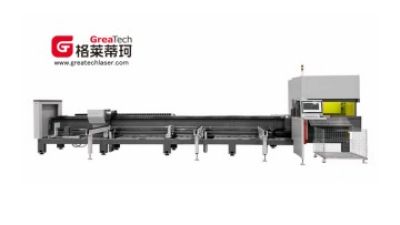
Efficient Material Utilization in High-Speed Laser Pipe Cutting: The G17-7013 Machine Explained
The G17-7013 machine is a groundbreaking solution in high-speed laser pipe cutting, emphasizing efficient material utilization. One of its standout features is its impressive cutting speed, operating at 130 RPM with an acceleration of 1.2G, which significantly enhances overall cutting efficiency. This state-of-the-art technology, developed through sophisticated manufacturing processes, sets a competitive price point without compromising performance.
Designed to maximize material utilization, the G17-7013 minimizes waste to as little as 20-45mm, and in optimal conditions, can achieve zero waste, establishing a new industry benchmark. This high range compatibility allows the machine to handle a variety of pipe diameters, making it ideal for various applications, including thin-walled pipes and unique shapes. Additionally, the high-precision chuck and automatic feeding system work in tandem to ensure stable operation and increased productivity, while advanced pneumatic support mechanisms maintain cutting stability, resulting in consistently superior results.
FAQS
: Different materials react uniquely. Knowing their characteristics helps achieve precise engravings.
Start with sample pieces. Experimenting reveals how settings affect various materials.
Fine-tuning speeds and power levels is key. Some woods burn faster; acrylics might need slower passes.
Reflect on previous engravings. Analyze materials used when results didn't meet expectations.
Power is measured in watts; higher wattage leads to faster processing. Speed is measured in IPM.
A sturdy frame maintains alignment, which is crucial for high-speed operations. Don't overlook this aspect.
They excel at detailed designs on hard surfaces, ensuring crisp finishes for various materials.
Check if the machine integrates with design tools. User-friendly software aids beginners but may require learning.
Faster speeds enhance throughput but may compromise quality. Finding a balance is essential.
Reliable support allows quick issue resolution, keeping your workflow uninterrupted.
Conclusion
When choosing the best laser etching machine, it's essential to first understand laser etching technology and its diverse applications across various materials. Key features such as power, speed, and compatibility with different substrates should guide your decision-making process. Evaluating the machine's specifications will ensure it meets the demands of your projects.
Additionally, consider your budget and the long-term maintenance requirements of the equipment. Regular upkeep is crucial for ensuring the longevity and efficiency of your laser etcher. By assessing these factors comprehensively, you can select a laser etching machine that aligns perfectly with your creative and operational needs.

 Contact Phone