Picking the right laser printer is actually pretty important whether you're setting up at home or in the office. I mean, with so many models out there, it can honestly feel a bit overwhelming trying to choose the best one. Each printer comes with its own set of features, and getting a good grasp on them can really save you some time and cash.
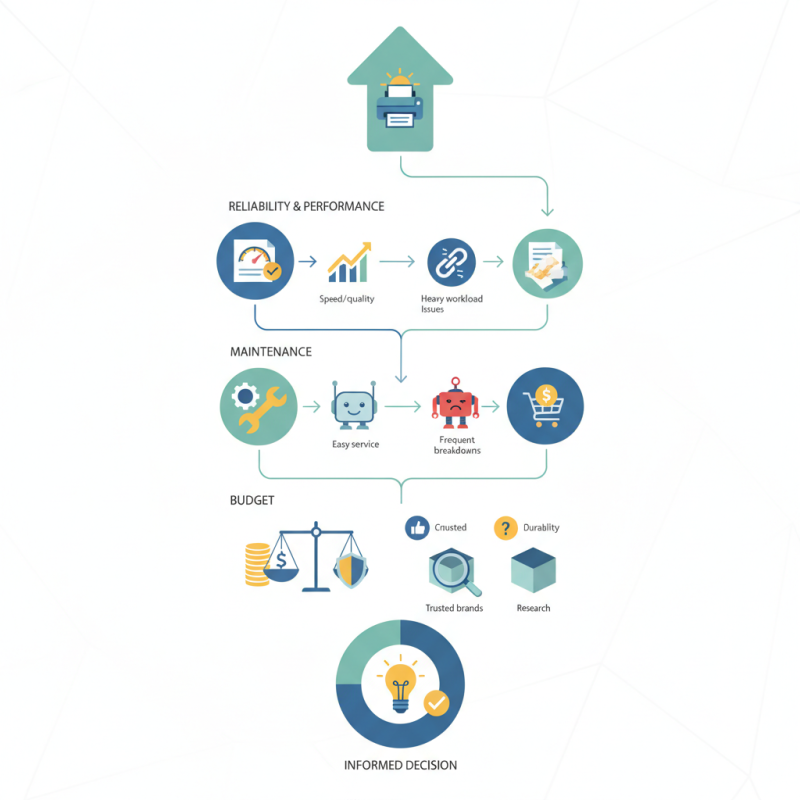
First off, think about reliability and how well it performs. Some printers are super fast and give you sharp, clear prints, but others might choke under heavy use. Also, don’t forget about maintenance — not all printers are easy to keep in shape. A machine that keeps breaking down is just gonna frustrate you and mess with your productivity.
And let’s talk about budget — just because one costs a lot doesn’t mean it’s automatically better quality. Do a little homework, read reviews, and try to find a good middle ground between what it costs and what it offers. Brands with a solid reputation for durability and support are usually the safer bets. A good laser printer should be reliable enough to last for years.
All in all, considering these factors can really help you make a smarter, more confident choice. Trust me, a little research goes a long way!
Understanding Laser Printer Technology: A Brief Overview
Understanding laser printer technology is essential for making informed choices. Unlike inkjet printers, laser printers use a dry toner. This toner is electrostatically charged and fuses onto paper using heat. A report by MarketsandMarkets indicates that the global laser printer market is expected to grow at a CAGR of 4.6% from 2021 to 2026. This growth reflects the increasing demand for high-volume printing solutions across various industries.
Laser printers offer distinct advantages, such as faster print speeds and lower costs per page. According to a study by InfoTrends, laser printers can produce up to 50 pages per minute, while inkjet printers typically output 7-15 pages per minute. However, potential users should be aware of their limitations. For instance, initial purchasing costs for laser printers can be higher than those of inkjet models. Additionally, while toner cartridges last longer than ink cartridges, they can be more expensive to replace.
The choice of paper can also impact print results. Some papers may not be suited for laser printing, leading to smudges or poor quality. Users often overlook this factor. Validating compatibility with recommended paper types is important. Furthermore, while laser printers excel at text-heavy documents, they may not perform as well with high-resolution images. Understanding these nuances is crucial before investing in a laser printer.
Top Tips for Choosing the Best Laser Printer Machine
| Feature |
Importance |
Considerations |
| Print Quality |
High |
Look for a printer with a minimum of 600 x 600 DPI. |
| Speed |
Medium |
Measured in pages per minute (PPM), consider your printing volume. |
| Connectivity Options |
High |
Look for USB, wireless, and Ethernet options. |
| Operating Cost |
High |
Consider the cost of toner cartridges and maintenance. |
| Size and Design |
Medium |
Check dimensions to fit your workspace. |
| Additional Features |
Variable |
Consider duplex printing, scanning, and mobile printing capabilities. |
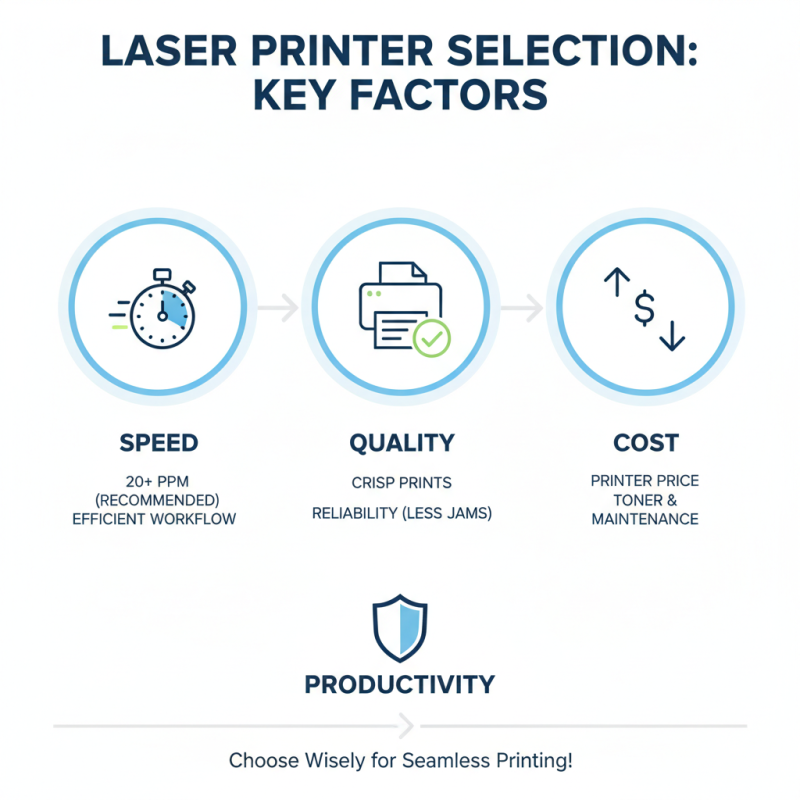
Key Factors in Laser Printer Selection: Speed, Quality, and Cost
When selecting a laser printer, speed is a crucial factor. Faster printers can handle larger workloads efficiently. Look for a model that can print at least 20 pages per minute for everyday tasks. However, speed isn't everything. If the printer frequently jams, that speed becomes irrelevant. Reliability is key in maintaining productivity.
Quality is another vital consideration. It’s not just about speed; print clarity matters too. High-resolution prints are essential for detailed documents and images. A printer with a minimum resolution of 600 dpi tends to produce sharp text. But beware, some printers excel in speed but falter in quality. Always check sample prints before making a choice.
Cost can be tricky. The initial investment may seem appealing, but recurring expenses matter. Toner cartridges can be pricey. Assess the cost per page to gauge long-term expenses. Sometimes cheaper models end up costing more in the long run. Keep this in mind when weighing your options. Balancing these factors can lead to a well-informed decision.
Analyzing Print Volume: How to Choose Based on Your Needs
When evaluating a
Laser Machine Printer,
understanding your print volume is vital. Printing needs can differ greatly between home offices and larger businesses. A professional report from
Keypoint Intelligence indicates that
25% of small businesses print fewer than
500 pages per month. For such users, a compact laser printer with lower page yield might suffice.
Conversely, high-volume environments, such as busy offices, demand robust performance. Companies printing over
2,500 pages monthly should consider models designed for intense usage. This type of laser machine printer often has advanced features like
automatic duplexing and high-capacity toner cartridges. According to TechRadar, these printers can reduce per-page costs by up to
50% compared to lower-capacity models, which can offset initial investment costs.
Yet, assessing print volume isn't solely about numbers. Users must reflect on growth potential. A small team may expand, requiring more output. As a result, selecting a laser printer with
scalability features is prudent. It's essential to consider not just current needs but future demands. Making a choice based solely on present volume can lead to inefficiencies down the line.
Comparing Color vs. Monochrome Laser Printers: Which is Right for You?
When deciding between color and monochrome laser printers, consider your specific needs. Color printers excel in producing vibrant graphics and images. They are ideal for businesses that frequently print marketing materials or proposals. According to a recent survey, about 45% of small businesses benefit from better visual presentations when using color printing. This can lead to improved client engagement.
On the other hand, monochrome printers are cost-effective. They typically have lower operating costs and faster printing speeds. Statistically, monochrome printers can be up to 50% cheaper to run than their color counterparts. However, some users may find them limiting when it comes to creative projects. It's essential to reflect on whether you'll be printing occasional color documents or primarily black-and-white text.
Consider the environmental impact as well. Color printers often require more toner and maintenance. Users may find themselves overwhelmed by the waste generated from unused color cartridges. Ultimately, weighing these factors can guide you to the laser printer that fits both your budget and practical needs.
Evaluating Connectivity Options: USB, Network, and Mobile Printing
When choosing A Printer Machine, connectivity options are crucial. The right connectivity can enhance productivity and streamline your workflow. USB connections remain a standard choice for many users. They are easy to set up and provide a reliable connection. According to a recent report, nearly 40% of small offices still prefer USB printers due to their simplicity.
Network connectivity has gained traction in the past few years. Wi-Fi-enabled printers allow multiple devices to connect without cumbersome wires. A study indicates that about 55% of businesses are using networked printers, especially for remote work setups. This option is practical for teams that require easy access from various locations. However, network security can be a concern. Users must ensure their wireless networks are secure to protect sensitive documents.
Mobile printing further expands the usability of a printer machine. It facilitates printing from smartphones and tablets, making it an appealing choice for on-the-go professionals. Research shows that about 50% of employees print directly from mobile devices at least once a week. While convenient, users may face app compatibility issues. Not all printer machines support the same mobile printing applications, which can be frustrating. Evaluating these connectivity options carefully can lead to better decisions in selecting a printer machine.
Assessing Total Cost of Ownership: Beyond Initial Purchase Price
When considering the total cost of ownership (TCO) for a laser printer, many focus solely on the initial purchase price. However, assessing TCO involves analyzing several hidden costs. According to a report by IDC, consumables, including toner and replacement parts, can account for up to 70% of the total cost over a printer's lifetime. Understanding these ongoing costs is crucial.
One tip is to evaluate toner yield. High-yield toner cartridges offer more prints, thus reducing the cost per page. Look for options that provide an ideal balance between price and page yield. It could save you money over time.
Consider maintenance and energy consumption as well. A recent study indicated that energy-efficient models significantly cut operational costs. The right Tube Printer Machine should have low power usage ratings. Regular maintenance can enhance longevity and performance, preventing unexpected repair costs.
Research customer reviews and expert analyses to gauge reliability and common issues. Such insights can guide you in making a more informed choice that minimizes long-term expenses. Always factor in these elements for better financial planning regarding your laser printer investment.
Reading Reviews and Ratings: Importance of User Feedback in Decision Making
When selecting a laser printer, reading user reviews is crucial. Reviews provide insights into real-world experiences. According to a recent industry report, nearly 80% of consumers rely on ratings before making a purchase. This shows the power of user feedback in shaping decisions.
User ratings can expose both strengths and weaknesses. Some laser printer models may boast high print speeds but encounter issues with paper jams. These details can influence your choice significantly. A model praised for its clarity might fall short in user satisfaction over time, highlighting the need for thorough feedback evaluation.
Additionally, research indicates that products with at least 50 reviews tend to reflect a more accurate performance picture. A lack of reviews can signal potential problems. If a Laser Code Printer lacks user experiences, proceed with caution. User insights not only reveal specifications but also highlight the practical implications of using a specific printer. Balancing expert reviews with real-user experiences leads to informed decisions.
Top Tips for Choosing the Best Laser Printer Machine
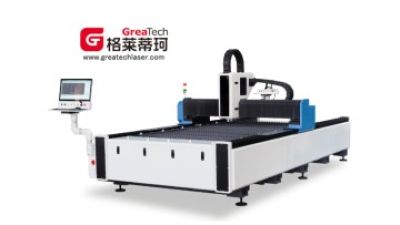
Maximizing Precision and Efficiency: A Comprehensive Guide to the GL4020-SJ High-Precision Laser Cutting Machine
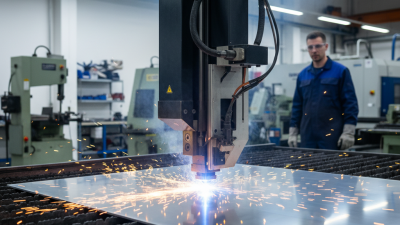
The GL4020-SJ High-Precision Laser Cutting Machine stands out for its exceptional design tailored for maximizing precision and efficiency in industrial applications. At the heart of its innovative approach is a meticulously constructed gantry layout, specifically engineered to support high-speed dynamic motions while managing heavy loads effectively. This feature ensures that the machine can handle complex cutting tasks with unparalleled accuracy, making it a vital asset in industries that demand both speed and precision.
The robust structural integrity of the machine is further enhanced by its reinforced welded bed frame, constructed from premium quality steel. This strategic choice not only provides excellent rigidity but also contributes to the machine's overall stability during operation. Each unit is subjected to a rigorous aging treatment designed to eliminate internal stresses developed during the welding process. As a result, users can expect consistent dimensional accuracy over the machine's lifecycle, which is crucial for companies engaged in continuous, high-intensity production environments.
Stress relief procedures are implemented to further solidify this machine's reputation for dimensional consistency, ensuring that your cutting operations run smoothly without fluctuations that could affect output quality. By integrating advanced engineering techniques with high-quality materials, the GL4020-SJ not only meets but exceeds the expectations of modern manufacturing needs.
FAQS
: Print volume is vital. It helps match the printer to your specific needs, whether for home or office use.
Small businesses printing under 500 pages monthly may choose a compact laser printer with lower page yield.
High-volume offices printing over 2,500 pages should opt for robust printers with advanced features for efficiency.
Yes, high-capacity toner models can cut per-page costs by up to 50%, reducing overall expenses over time.
Small teams may grow. Choosing a printer with scalability features ensures it meets both current and future demands.
User reviews provide critical insights into real-world performance, shaping informed decisions before purchase.
Look for details on strengths and weaknesses. Issues like paper jams can significantly impact your choice.
Research shows that models with at least 50 reviews often present a clearer picture of their performance.
A lack of user experiences could indicate potential problems, warranting caution in your selection process.
Combining expert insights with user experiences leads to better understanding and decision-making.
Conclusion
When choosing the best laser printer machine, it's essential to understand the underlying technology, as this can impact your printing experience. Key factors to consider include print speed, quality, and cost, all of which play a significant role in determining the right machine for your specific needs. Additionally, analyzing your print volume will help tailor your selection to ensure efficiency and effectiveness.
Another important aspect is deciding between color and monochrome laser printers, based on the type of documents you frequently print. Connectivity options such as USB, network, and mobile printing capabilities also influence your choice, providing flexibility and convenience. Lastly, thoroughly evaluating the total cost of ownership, which goes beyond the initial purchase price, and reading user reviews can offer valuable insights, guiding you towards a well-informed decision when selecting a laser printer machine.


 Contact Phone