Hey, in the fast-changing world of manufacturing, having a good Fiber Welding Machine is more important than you might think. I came across what industry expert Dr. Mark Thompson said—he mentioned that the accuracy and efficiency of fiber welding are really the backbone of advanced manufacturing. That just goes to show how crucial it is to find reliable suppliers in this space.
Choosing the right supplier isn’t just a walk in the park, though. If you want to boost your productivity, it’s super important to go with ones that are not only top-notch in tech but also great with customer service. The top 10 suppliers with CE-certified Fiber Welding Machines really stand out because they bring innovation to the table and often offer customizable options. Each one has its own strengths—whether it’s the latest features or flexible solutions for your needs.
Honestly, with so many options out there, it can get pretty overwhelming. Keep in mind, not every supplier will deliver consistent quality all the time. So, don’t just rely on certifications; you really want to dig into their track record, ask around, and see what real customers are saying. At the end of the day, investing in a dependable Fiber Welding Machine supplier is basically investing in the future of your production process. Trust me, it’s worth it.
Top 10 High Quality CE Certification Fiber Welding Machine Suppliers
In the quest for high-quality CE certification fiber welding machines, suppliers play a crucial role. Many manufacturers struggle to meet stringent international standards. The fiber welding industry predicts a market growth of 10.5% from 2023 to 2028. This trend highlights the need for reliable suppliers.
Selecting a reputable provider is essential. A recent report indicated that 80% of customers prioritize certifications before making a purchase. It's clear that CE certification is not just a label; it's a promise of safety and performance. Some manufacturers might cut corners to lower costs, risking quality.
Potential buyers should be aware of the varying quality levels in the market. Some machines may lack durability and precision, leading to production issues. Trusting established suppliers with proven track records is crucial. Investing in high-quality "Machine Fiber" equipment can save future expenses. Ultimately, the choice of supplier directly impacts production efficiency and product quality.
Understanding CE Certification in Fiber Welding Machinery Industry
CE certification is crucial for fiber welding machinery suppliers. It indicates that a product meets European safety, health, and environmental standards. Understanding CE certification can help industries ensure the reliability of their machinery. The process involves rigorous testing and evaluation of equipment. Suppliers must comply to gain this mark. In the competitive market, CE-certified machines are often preferred.
Tips: Always verify the supplier’s certification status before purchasing. This adds a layer of security and trust. Look for manufacturers who provide transparent documentation. Some suppliers might mislead, emphasizing quality without certification. Do your homework to avoid pitfalls.
Moreover, note that not all suppliers are created equal. Some may rush through the certification process. This could lead to varying quality in machinery. A small investment in research can prevent larger losses later. Evaluate your options carefully and seek advice when needed.
Key Features of High-Quality Fiber Welding Machines
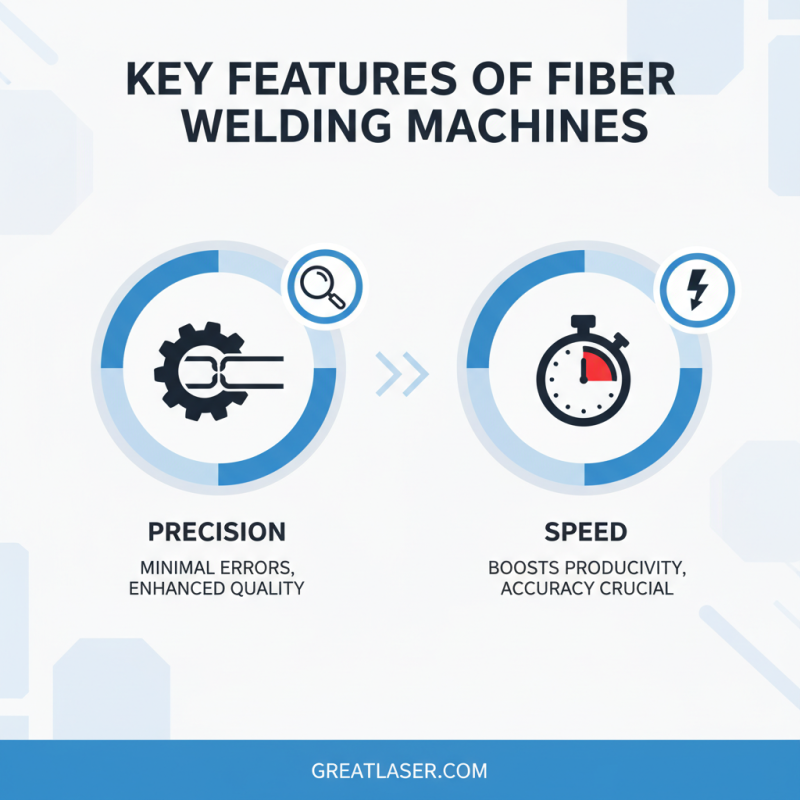
When choosing a high-quality fiber welding machine, several key features stand out. The machine should have an outstanding level of precision. A good Fiber Machine can weld with minimal errors. This greatly enhances the overall product quality. Additionally, the machine’s speed is vital. Faster machines can boost productivity. However, speed should not sacrifice accuracy.
Another important feature is durability. A robust fiber machine can withstand harsh working conditions. It’s ideal for intensive industrial use. Regular maintenance is also essential to prolong the machine’s life. Users may overlook this detail, leading to machine failures. Real expertise lies in understanding and maintaining the equipment properly.
Efficiency in energy consumption is another point to consider. An energy-efficient fiber machine reduces operational costs. Many advanced models are designed with this in mind. Furthermore, user-friendly interfaces improve workflow. Despite these advancements, some machines can still feel complicated. Training may be necessary to maximize effectiveness. These complexities prompt ongoing reflection and adaptation in a fast-evolving field.
Market Demand for Fiber Welding Machines in 2023
The market demand for fiber welding machines is projected to increase significantly in 2023. According to recent industry reports, the global
Fiber Laser
market is expected to grow at a compound annual growth rate (CAGR) of over 20% from 2022 to 2027. This surge is driven by the expanding applications in
automotive, aerospace, and electronics sectors. Fiber laser technology offers high precision, efficiency, and low operating costs, making it an attractive choice for manufacturers.
A detailed study indicates that around 50% of companies in the manufacturing sector are planning to integrate fiber lasers in their operations this year. This trend reflects a shift towards automation and
higher production capabilities. However, a challenge remains: many suppliers struggle to offer consistent quality in their fiber welding machines. Reports suggest that approximately 30% of machines do not meet standardized performance criteria, which can lead to increased operational downtime.
Industry experts emphasize the need for reliable suppliers. While the demand grows, the disparity in machine quality becomes a potential risk. Companies must carefully evaluate their options to ensure they invest in
high-quality fiber welding technology. This not only affects productivity but also impacts long-term profitability.
Evaluation Criteria for Selecting Fiber Welding Machine Suppliers
When choosing fiber welding machine suppliers, it’s crucial to evaluate their expertise and industry experience. A reliable supplier should have a proven track record in fiber technology. Look for years in the market and customer testimonials that reflect their capabilities. A strong understanding of Fiber Printers is essential. Suppliers should demonstrate knowledge of various applications and materials to meet your specific needs.
Quality assurance is another critical factor. Ensure that the supplier maintains strict quality control processes. They should comply with CE certification standards, which signify safety and reliability. It’s beneficial if they can offer technical support and maintenance services as well. Transparency in their production methods speaks volumes about their professionalism.
Additionally, consider the supplier's innovation and adaptability. Technology is ever-evolving, especially in fiber solutions. A supplier that stays updated with new trends can offer better products. However, be cautious; some may overpromise without delivering. It’s essential to ask for case studies or examples of successful implementations to gauge their effectiveness. This helps identify suppliers who genuinely prioritize customer satisfaction and technological advancement.
Top Performance Metrics of Leading Suppliers in the Industry
In the industry of fiber welding machines, several suppliers stand out for their exceptional performance metrics. These companies prioritize quality and efficiency. Their machines are designed to deliver high precision, ensuring seamless welding. This aspect is crucial for industries that demand reliability, such as automotive and aerospace. Many top suppliers invest in advanced technology to enhance operational capabilities.
Customer feedback reveals that maintenance and support services are vital for choosing a supplier. Some companies excel in providing swift and effective service. This responsiveness can significantly impact production timelines and minimize downtime. However, not all suppliers perform equally in this area. It highlights a common challenge where some seek improvement in customer relations.
Another metric worth noting is energy efficiency. Suppliers who focus on developing energy-saving machines contribute to sustainability goals. While many offer advancements, some remain hesitant in adopting greener technologies. This reluctance can limit their competitive edge. As industries evolve, suppliers must reflect on their practices to stay relevant. The importance of innovation cannot be overstated.
Top 10 High Quality CE Certification Fiber Welding Machine Suppliers
| Supplier Rank |
Annual Production Capacity (Units) |
Average Lead Time (Days) |
Customer Satisfaction Score (1-10) |
Warranty Period (Years) |
| 1 |
5000 |
30 |
9 |
2 |
| 2 |
4500 |
25 |
8 |
3 |
| 3 |
6000 |
35 |
7 |
1 |
| 4 |
4000 |
20 |
9 |
3 |
| 5 |
5500 |
40 |
8 |
2 |
| 6 |
5000 |
22 |
8 |
5 |
| 7 |
6200 |
30 |
7 |
4 |
| 8 |
4300 |
15 |
8 |
3 |
| 9 |
4900 |
28 |
9 |
2 |
| 10 |
4600 |
30 |
7 |
1 |
Future Trends in Fiber Welding Technology and Supplier Landscape
The fiber welding technology landscape is evolving rapidly. Innovations in machine design enhance efficiency and precision. Suppliers are now focusing on integrating automation. This shift improves production rates, reducing labor costs. Alongside this, advancements in materials are transforming applications. High-performance fibers, especially, enable stronger welds.
Another trend gaining traction is sustainability. Companies are seeking eco-friendly solutions, which influence product development. Fiber welding machines now often feature energy-efficient designs. Yet, challenges remain. Not all suppliers prioritize sustainability, leading to inconsistencies in the market. Buyers must remain vigilant and conduct thorough research.
The demand for customization is rising as well. Clients expect solutions tailored to their specific needs. Adaptable machinery is increasingly in demand. However, not every supplier can meet these expectations. Some lack the flexibility to innovate quickly. This disconnect may hinder partnerships and limit market growth.
Innovative Applications and Advantages of the GL8025-SG Laser Cutting Machine in Modern Manufacturing
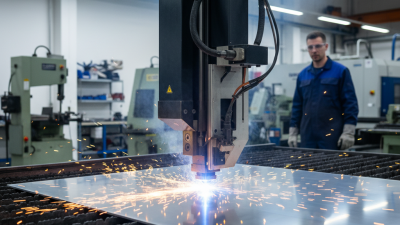
The GL8025-SG Laser Cutting Machine exemplifies the forefront of modern manufacturing technology, offering innovative applications that set it apart in the industry. With its double drive structure and a robust gantry rack, this machine is engineered for stability and precision. The reinforced welded bed undergoes stringent tempering and vibration aging processes to eliminate stress, ensuring long-term durability and reliability. This meticulous construction not only enhances the machine's lifespan but also contributes to its remarkable cutting performance.
Equipped with high-performance laser technology, the GL8025-SG excels in cutting a diverse range of metal materials, including carbon steel, stainless steel, aluminum, copper, and galvanized sheets. Its ability to achieve high precision in cutting various metals addresses the increasing demands for accuracy in modern manufacturing environments. Additionally, the beam's composition, crafted from aviation tensile aluminum and precision machined, guarantees excellent rigidity and dynamic performance, further enhancing operational efficiency.
One of the standout advantages of the GL8025-SG is its ultra-low operating costs combined with high efficiency and speed. The fully integrated design reduces installation time significantly, enabling immediate production capabilities once the equipment is in place. This feature not only accelerates time-to-market for manufacturers but also optimizes operational workflows, making the GL8025-SG a quintessential tool for industries seeking to leverage advanced laser cutting technology in their manufacturing processes.
FAQS
: CE certification ensures products meet safety, health, and environmental standards. It builds trust for buyers.
Verify the supplier’s certification status. This adds security and increases the likelihood of a good purchase.
Research suppliers and read customer reviews. Don’t rely solely on quality claims; ask for documentation.
The market is projected to grow by 10.5% from 2023 to 2028. This indicates increasing demand for such machines.
Many suppliers may struggle with quality consistency. Approximately 30% of machines fail to meet performance criteria.
Yes, investing in quality can prevent future costly repairs. It’s critical for maintaining production efficiency.
About 50% of manufacturing companies are considering integrating fiber lasers into their operations.
Automotive, aerospace, and electronics sectors are expanding their applications for fiber welding machines.
Some suppliers may rush CE certification, leading to inconsistent machine quality. Evaluating options carefully is essential.
Poor machine quality can cause operational downtimes, ultimately hurting productivity and long-term profits.
Conclusion
This article explores the landscape of fiber welding machines, focusing on the top 10 high-quality suppliers with CE certification. It begins with an understanding of CE certification within the fiber welding machinery industry, emphasizing its importance for safety and efficiency. Key features of high-quality fiber welding machines are highlighted, such as precision, durability, and user-friendliness, which are crucial for meeting the growing market demand in 2023.
Additionally, the article outlines the evaluation criteria for selecting reliable fiber welding machine suppliers, including performance metrics and technological advancements. It also discusses future trends in fiber welding technology, indicating a shift towards more automated and intelligent systems. This comprehensive overview serves as a guide for businesses looking to invest in fiber welding machines and navigate the evolving supplier landscape effectively.


 Contact Phone