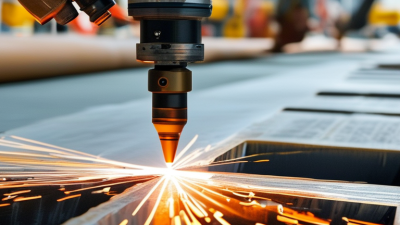
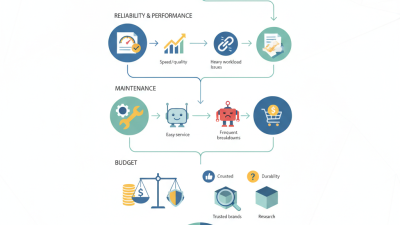
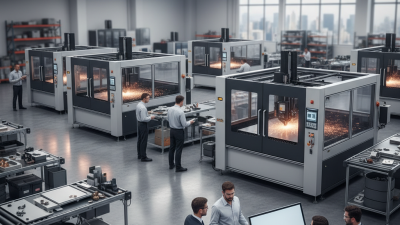
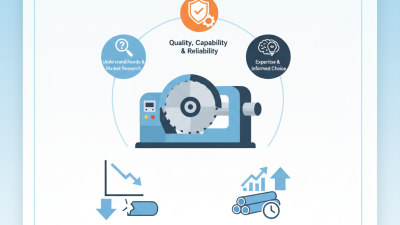
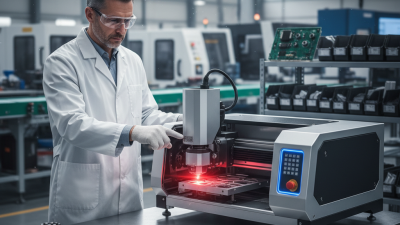
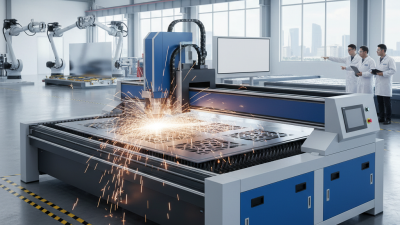
In today’s super competitive market, investing in good-quality equipment isn’t just a nice-to-have — it’s pretty much essential if you want to stay ahead. Out of all the tools out there, the Pipe Laser Cutter really catches your eye because of how precise and efficient it is. If you’re using laser cutting tech, you’ll notice the difference — cleaner, more accurate cuts that can seriously boost your productivity.
Whether you’re into metalworking or construction projects, a Pipe Laser Cutter can make a real difference in how smoothly things run. Trusted brands like Hypertherm and Trumpf are always coming out with innovative solutions that fit different kinds of businesses. But, honestly, it’s super important to think about your specific needs before pulling the trigger on a purchase. Every company and project is unique, and not all machines are a perfect fit for every situation.
Getting a good handle on what a Pipe Laser Cutter can do is key. Things like power, speed, and what materials you’ll be working with all matter. Sure, a Plasma Cutter is powerful and has its uses, but it might not be the best option for every job. Picking the right machine involves doing some homework — reading reviews, maybe testing a few options, and being okay with a bit of trial and error along the way. Keep in mind that different brands can have pretty different features and capabilities, so it’s worth doing your homework to make an informed choice.
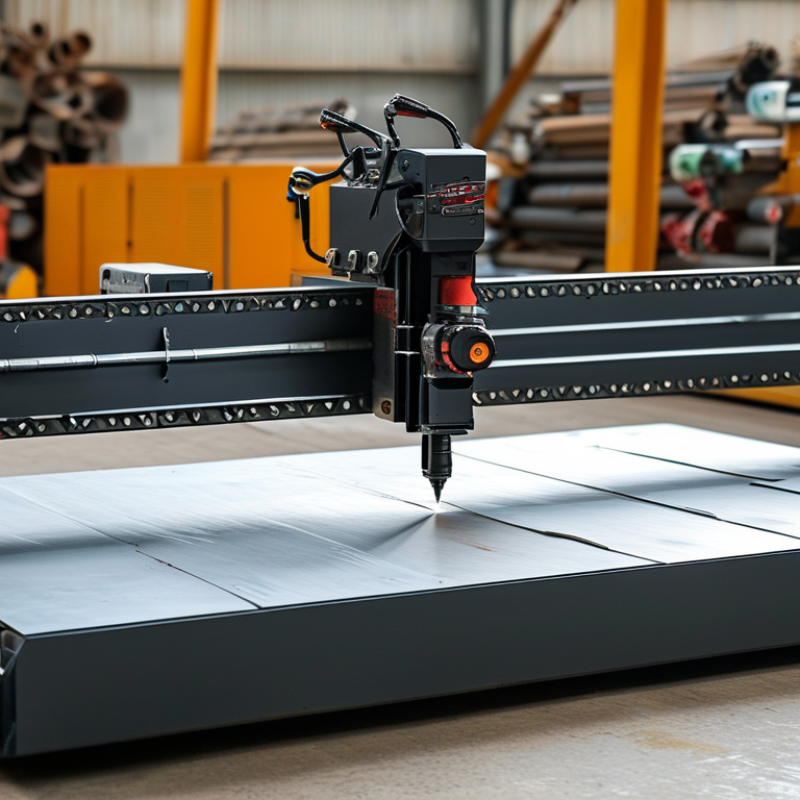
Top Features to Look for in Wholesale Pipe Laser Cutters
When selecting wholesale pipe laser cutters, focus on key features that enhance efficiency and precision. Laser cutting technology has evolved rapidly. In 2022, the global market for laser cutting machines was valued at approximately $3 billion, projected to reach over $5 billion by 2030. This growth underscores the importance of investment in high-quality machines.
Look for laser cutters with a high-speed processing capability. Machines that can cut at speeds exceeding 10 meters per minute yield better productivity. Additionally, consider laser power options. A power range between 1000 to 3000 watts is ideal for most pipe dimensions. High-quality optics improve the focal point, resulting in cleaner cuts. An exceptional machine may include features like adaptive tuning for different materials.
Reliability is paramount in manufacturing settings. Choose equipment with a proven track record for durability. Maintenance requirements should be minimal, but attention to upkeep is crucial. Regular calibration enhances performance. Note that even top machines can encounter issues. Ensuring that spare parts are readily available from suppliers is vital for minimizing downtime. Investing in these features can significantly enhance your operational efficiency.
Understanding the Benefits of High-Quality Pipe Laser Cutting Technology
High-quality pipe laser cutting technology has transformed various industries by providing precision and efficiency. The demand for this technology has surged, as shown in a recent industry report indicating that the global market for laser cutting systems is expected to grow at a compound annual growth rate (CAGR) of over 6% through 2027. This growth highlights the advantages of using a
Pipe Laser Cutter
in manufacturing processes.
One significant benefit of high-quality pipe laser cutters is their ability to deliver intricate designs with minimal waste. Compared to traditional cutting methods, the precision of these machines reduces material costs and enhances production efficiency. Additionally, modern laser cutters can handle a variety of materials, including steel, aluminum, and copper, broadening their applicability across sectors. Companies that have integrated laser cutting technology have reported a 30% reduction in production time, showcasing its effectiveness.
Tip: When selecting a Pipe Laser Cutter, consider the specific materials and thicknesses you will be working with. Investing in technology that meets your needs can enhance your operational efficiency.
The challenges lie in the initial investment and the need for skilled operators. While high-quality systems require a higher upfront cost, the long-term savings in material and labor can outweigh this. Training operators may also take time, and not all employees adapt quickly to advanced technology. Addressing these issues early can set a path for successful implementation.
Key Industry Standards and Certifications for Pipe Laser Cutters
When investing in pipe laser cutters, understanding industry standards and certifications is crucial. These standards ensure that machines operate efficiently and safely, meeting the needs of various businesses. Look for certifications like ISO 9011, which focus on quality management systems. Compliance with such standards reflects a company's commitment to excellence.
In addition to ISO certifications, machines should adhere to safety regulations. CE marking indicates compliance with European health and safety standards. This is important for ensuring operator safety and equipment reliability. Many manufacturers provide documentation proving compliance, enhancing their credibility.
However, not all machines may meet these high standards. It's essential to conduct thorough research before purchasing. Examine user reviews and expert opinions. Real-world experiences can reveal shortcomings and potential issues, which might not be evident initially. Being informed about these aspects can save businesses from costly mistakes and ensure they select the right pipe laser cutter for their needs.
Comparative Analysis of Wholesale Prices for Pipe Laser Cutters
When considering the comparative analysis of wholesale prices for pipe laser cutters, quality and performance are paramount. A recent market report from the Laser Institute of America indicates that the global demand for Cnc Pipe Laser Cutters is on the rise, projected to grow by 8% annually. Businesses are increasingly seeking options that provide precision while maintaining operational efficiency.
However, not every supplier offers competitive pricing. Prices for CNC pipe laser cutters can vary significantly, influenced by factors like technology, power output, and additional features. For example, high-quality models typically range from $50,000 to over $150,000. Yet, some budget-friendly options exist, starting as low as $20,000. This discrepancy highlights the necessity for business owners to conduct thorough research and consider long-term value over initial cost.
In addition, inconsistencies in pricing can lead to confusion. A lack of standardization in quality metrics makes it hard to compare offerings effectively. As the market evolves, transparency in pricing and specifications remains a persistent challenge. Businesses must navigate these complexities to make informed decisions. Investing time in understanding the nuances of pipe laser cutter technology could yield significant returns in productivity.
Technological Innovations Driving the Pipe Laser Cutting Market
The pipe laser cutting market is witnessing rapid technological innovations. These advancements are enhancing precision and efficiency in fabrication processes. Modern laser systems now feature higher power outputs and improved beam quality. This leads to faster cut speeds and cleaner edges. Innovation is not just about speed; it also focuses on energy efficiency. Reducing energy consumption dramatically benefits both the environment and production costs.
When choosing a pipe laser cutter, consider the software integration capability. Advanced software can streamline design and processing, maximizing productivity. Regular maintenance of the laser cutter is essential. This practice ensures longevity and optimal performance. Look for options that allow easy access to components for cleaning and parts replacement.
Keep an eye on automation trends within the industry. Automated systems can significantly reduce human error and labor costs. However, companies must invest time in training personnel. Without this, the potential of new technology may not be fully realized. Reflect on what features best suit your needs to make informed decisions.
Top Wholesale High-Quality Pipe Laser Cutter Quotes for Your Business Needs
| Model |
Cutting Thickness (mm) |
Laser Power (W) |
Operating Speed (m/min) |
Price Range ($) |
Warranty (Years) |
| Laser Model A |
20 |
3000 |
25 |
5000 - 7000 |
2 |
| Laser Model B |
25 |
4000 |
30 |
6000 - 8000 |
3 |
| Laser Model C |
30 |
6000 |
20 |
7000 - 9000 |
4 |
| Laser Model D |
15 |
2000 |
35 |
4000 - 6000 |
1 |
| Laser Model E |
10 |
1000 |
50 |
3000 - 5000 |
2 |
Case Studies: Successful Implementation of Pipe Laser Cutters in Various Industries
In recent years, the implementation of pipe laser cutters has transformed various industries. Reports indicate that the demand for
Pipe Fiber Laser Cutters has surged by 30% annually, primarily due to their precision and efficiency. Industries such as automotive and construction have highlighted their reliance on these advanced tools for enhancing productivity. A notable case involved an automotive supplier that reduced its material waste by 25% after adopting the technology. This resulted in significant cost savings and improved operational efficiency.
Moreover, a manufacturing firm in the structural steel sector reported a 40% increase in cutting speed after integrating Pipe Fiber Laser Cutters into their processes. This advancement allowed them to meet tighter deadlines while maintaining high-quality standards.
However, some challenges remain. For instance, adjusting to new technologies can require substantial employee training. Firms need to invest time and resources to ensure their teams can fully utilize these systems.
Additionally, the initial setup costs of Pipe Fiber Laser Cutters can be daunting for smaller businesses. Nonetheless, the long-term benefits often outweigh these upfront expenses. Continuous learning and adaptation remain crucial. Companies must be willing to refine their processes and seek ongoing feedback to optimize performance.
Future Trends in Pipe Laser Cutting Technology and Market Growth
The future of pipe laser cutting technology is poised for significant advancements. As manufacturers face increasing demands for precision and efficiency, innovations are becoming more prevalent. One notable trend is the integration of artificial intelligence in laser cutting systems. AI can enhance operation speed and accuracy, allowing the Steel Pipe Laser Cutter to deliver superior results.
Market growth in this sector also reflects a larger shift toward sustainability. Companies are exploring eco-friendly materials and energy-efficient processes. This approach not only reduces waste but also appeals to environmentally conscious consumers. Adapting to these trends requires an agile mindset and readiness to invest in new technologies.
Tip: Stay updated on industry standards and technological advancements. Regular training can significantly enhance operational efficiency. Explore various laser cutter models to find the one that best meets your specific business needs.
Investing in a Steel Pipe Laser Cutter is an important decision. Examine the long-term benefits, such as reduced downtime and higher-quality finishes. Yet, be aware of the initial costs. Weighing these factors carefully will help ensure a wise investment in your cutting operations.
Exploring the Advantages of the China Fiber Laser Marking Machine HF1000: Precision, Durability, and Reliability in Industrial Applications
The China Fiber Laser Marking Machine HF1000 is a cutting-edge solution for industrial applications, particularly known for its precision, durability, and reliability. Utilizing advanced fiber laser technology, this machine ensures exceptional marking quality with rapid speeds, making it suitable for high-efficiency production environments. According to industry reports, the demand for laser marking technology has surged, with the global market expected to grow significantly in the coming years, driven by the increasing need for traceability and identification in various sectors.
In manufacturing, the HF1000 machine stands out for its versatility, capable of marking on a diverse range of materials including metals, plastics, and ceramics. This adaptability allows manufacturers in industries such as electronics, automotive, and medical devices to achieve clear, permanent engravings that withstand harsh conditions. The minimal maintenance requirements further enhance its appeal, making it an economical choice for businesses focused on optimization and operational efficiency.
Moreover, the reliability of the HF1000 is backed by advancements in laser technology that ensure consistent beam quality throughout its operation. This reliability is crucial in industries where precision is paramount; even a slight deviation can lead to significant operational setbacks. As businesses evolve to meet modern manufacturing challenges, investing in high-quality, durable laser marking machines like the HF1000 represents a strategic move towards enhancing productivity and ensuring compliance with quality standards.
FAQS
: This technology provides precision, reduces waste, and increases efficiency in production.
Laser cutting offers greater accuracy, leading to lower material costs and faster production times.
They can cut steel, aluminum, and copper, making them versatile for different industries.
Initial costs are high, and training skilled operators can be time-consuming.
Advanced software streamlines design processes, enhancing overall productivity in fabrication.
Innovations improve precision, cut speeds, and energy efficiency, lowering production costs.
Evaluate the materials, thicknesses, and necessary features for your specific operational needs.
Automation reduces human error and labor costs but requires proper employee training.
Regular maintenance ensures optimal performance and extends the machine’s lifespan.
Consider which features align with your needs and assess potential training requirements.
Conclusion
In the competitive landscape of manufacturing, understanding the essential features of pipe laser cutters is crucial for businesses seeking to enhance their production capabilities. High-quality pipe laser cutting technology offers numerous benefits, including precision, speed, and reduced waste, all of which are vital for operational efficiency. It is also important to be aware of key industry standards and certifications that ensure safety and reliability in the equipment.
A comparative analysis of wholesale prices reveals significant variations, influenced by factors such as technological advancements and market demand. Innovations in pipe laser cutting technology continue to shape the industry, driving growth and offering new opportunities. Case studies highlight successful implementations across various sectors, showcasing the versatility of pipe laser cutters. As we look toward the future, anticipated trends indicate ongoing advancements that will further revolutionize the market and expand applications for pipe laser cutting technology.


 Contact Phone