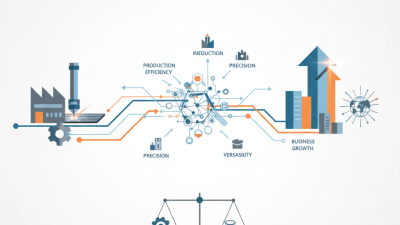
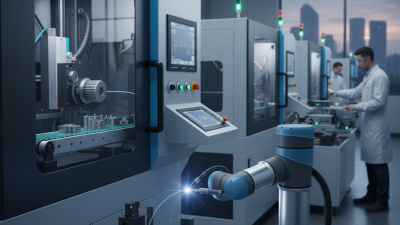
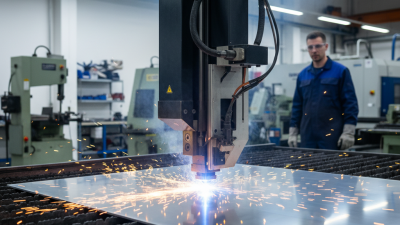
In today’s really competitive market, finding the right tools is pretty much a must if you want your business to succeed. A good-quality Laser Cutter can seriously boost your production speeds and make things run more smoothly. Lots of companies, whether they’re huge or just starting out, are digging into the benefits these machines can offer. But, honestly, choosing the right one can feel pretty overwhelming at first.
Getting a handle on the different models and their price tags is really important. Names like XYZ Laser Co. and ABC Engraving Solutions are out there with a bunch of options. Each Laser Cutter has its own set of features designed for various needs, so it’s a good idea to weigh the pros and cons of each. And having a reliable supplier by your side totally helps in figuring all this out — it’s a maze, for sure.
Picking out a Laser Cutter might seem simple at first glance, but doing your homework is key to avoid common mistakes. You gotta look at what your business genuinely needs now and where you’re heading in the long run. When you make an informed choice, it can really pay off — boosting productivity and making your bottom line happier in the end.
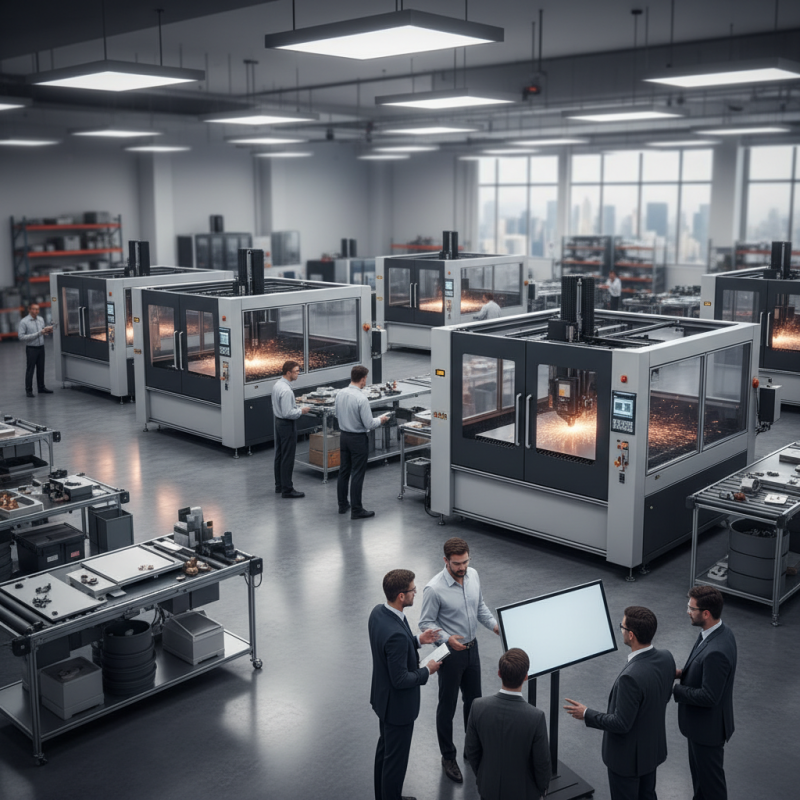
Understanding Different Types of Laser Cutters Available for Wholesale
When considering wholesale laser cutters for business needs, understanding their types is essential. Laser cutters can differ significantly in technology and application. Common types include CO2, fiber, and specialized laser cutters.
CO2 lasers are effective for cutting organic materials like wood and acrylic. Conversely, fiber lasers excel at working on metals, including steel and aluminum.
Industry reports suggest the laser cutting market's growth rate could reach 5.7% annually by 2028. Such data highlights a robust demand for high-quality systems. A Laser Cutter, especially a fiber model, can enhance productivity and precision. The initial investment may seem daunting, but the long-term savings and capabilities can alleviate concerns. Some businesses may overlook the maintenance or training needed for effective operation.
Exploring niche applications can also reveal opportunities. For example, specialized laser cutters for textiles are gaining traction. Data shows that personalization in products boosts sales. Thus, having a versatile laser cutter could meet diverse customer needs. Uncertainties in technology adoption remain, but the potential rewards justify exploration.
Key Features to Consider When Selecting a Laser Cutter for Your Business
When selecting a laser cutter for your business, key features play a crucial role. The power of the laser is fundamental. It determines the materials the cutter can handle, from wood to metal. A higher wattage allows for deeper cuts and faster processing times. Many businesses find a balance between power and precision essential. However, high power may also increase operational costs.
Speed and accuracy are other vital considerations. Time is money, especially in production. A faster machine may boost productivity but could compromise detail. This trade-off requires careful thought. Additionally, consider the machine’s bed size. A larger bed accommodates bigger materials but requires more space. Sizing must align with your typical project requirements.
Furthermore, software compatibility is often overlooked. Seamless integration with design programs ensures a smoother workflow. Training is also necessary, as unfamiliar software can slow down the learning curve. Budget constraints often lead to compromises, but investing in a reliable machine pays off over time. Reflections on past equipment failures can guide smarter decisions. Be aware, understanding your business needs is essential in the selection process.
Comparative Analysis of Price Ranges for High-Quality Laser Cutters
When considering high-quality laser cutters for your business, pricing can vary significantly. Understanding the price ranges is critical for making informed purchasing decisions. Generally, prices may range from a few thousand to over twenty thousand dollars. Factors influencing these costs include machine specifications, cutting dimensions, and additional features like software integration.
It is essential to evaluate what fits your budget. More expensive models often offer advanced technology and durability. However, a lower price does not always mean lower quality. Some budget-friendly options can still deliver excellent results for small businesses. Always compare specifications side by side rather than relying solely on price.
Investing in a laser cutter involves assessing both immediate costs and long-term value. Think about the maintenance costs and potential output quality. Taking the time to analyze these factors ensures that your investment meets your business needs effectively. Explore different suppliers and request quotations to find the best possible deal that doesn't sacrifice quality.
Top Manufacturers and Suppliers of Wholesale Laser Cutters
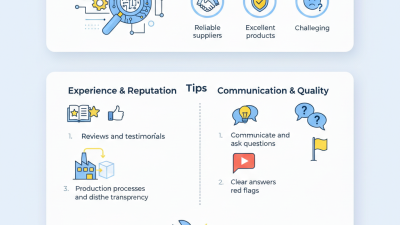
When looking for high-quality wholesale laser cutters, knowing your suppliers is key. The market is vast, filled with various manufacturers. Researching reputable companies can make a significant difference in your purchasing experience. Explore their background and client testimonials to understand their expertise. This step ensures you are not just getting a machine, but a tool that can enhance your productivity.
Tips: Always inquire about warranty and service options. A reliable provider offers support even after the sale. Check if they have a user-friendly interface for their products. It’s essential to feel comfortable using a Co Laser Cutter; complicated machinery can lead to frustration.
Quality control is an often-overlooked aspect. Not all manufacturers maintain the same standards. Irregularities in products can hinder your work. Compare different suppliers to see who consistently delivers reliable equipment. Engaging with industry forums can provide insights into various brands and their reputations. A strong network can help you avoid common pitfalls.
Benefits of Investing in a High-Quality Laser Cutter for your Business
Investing in a high-quality laser cutter can transform your business operations. A well-made laser cutter, such as the
A0 Laser Cutter,
offers precision that cheaper models often lack. This precision allows for intricate designs and cuts, making your products more appealing. Better quality also means less downtime, enhancing overall productivity.
Consider these tips when investing in a laser cutter:
-
Analyze your workflow needs: Determine the maximum size of materials you will work with.
-
The A0 Laser Cutter accommodates larger formats, which can be crucial for many businesses.
-
Evaluate the types of materials you plan to use. A versatile cutter can handle various substrates, from wood to acrylic, giving you more flexibility.
Quality laser cutters usually come with excellent customer support. This can be essential during installation or troubleshooting. Lower-end models might lack reliable service, leading to frustration. Additionally, think about the energy consumption of the device. Investments in quality yield better long-term savings.
However, be prepared for maintenance costs. Sometimes, these can add up more than you expected. Keep these considerations in mind to maximize your ROI.
Factors Influencing the Price of Laser Cutters: A Comprehensive Overview
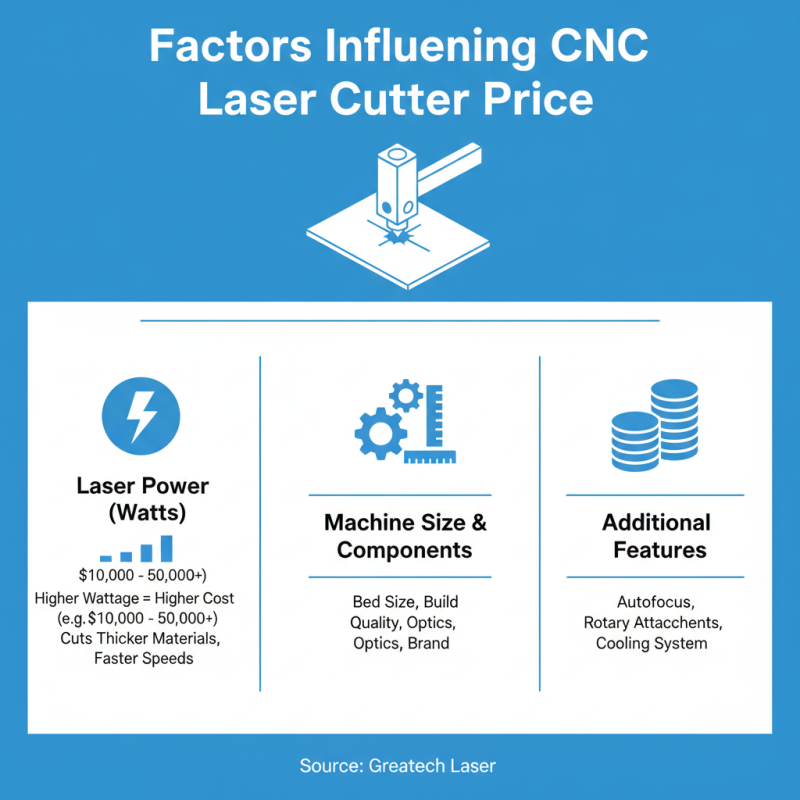
When evaluating the price of Cnc Laser Cutters, several factors come into play. The power of the laser, typically measured in watts, significantly impacts the cost. Reports indicate that higher wattage models can range from $10,000 to $50,000. This is due to their capability to cut thicker materials and operate at higher speeds.
Additionally, the functionality and features of a CNC laser cutter affect its pricing. Models equipped with advanced software and automated features tend to be priced higher. A comprehensive market analysis revealed that features like integrated cooling systems and precision optics can add 25% to the overall cost.
Material compatibility is another essential factor. Laser cutters that handle various materials, including wood, acrylic, and metal, often carry a premium price. Market trends suggest that businesses focused on versatility prefer these models despite their higher initial investment. Overall, understanding these elements creates a clearer picture of the pricing landscape in the CNC laser cutter market.
Tips for Negotiating the Best Deals on Wholesale Laser Cutters
Negotiating for wholesale laser cutters can feel daunting. However, success lies in preparation and strategy. Start by researching average market prices. Understand the specifications that matter to your business. This knowledge empowers you during discussions. It also helps you identify when a deal is fair or inflated.
Building rapport with suppliers is essential. Show genuine interest in their products and services. Ask probing questions about their cutting technologies. This not only builds trust but gives insight into their pricing structures. Don't hesitate to discuss your specific needs. Tailoring options may lead to better pricing.
Avoid rushing the process. Take your time to evaluate different offers. It's okay to revisit suppliers for better deals. Ask for volume discounts or bundled offers. Comparison shopping can yield surprising results. Each interaction can add a layer of understanding. Engaging thoughtfully might reveal options you hadn't considered.
Top High Quality Wholesale Laser Cutter Pricing Comparison
Exploring the Advantages and Applications of the DF3015 Laser Cutting Machine in Modern Manufacturing
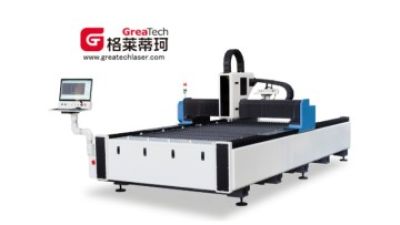
The DF3015 Laser Cutting Machine exemplifies the advancements in modern manufacturing technology, particularly through its innovative gantry layout designed for high-speed motion. With a robust welded bed frame and two aging treatments, this machine assures long-term precision and stability. According to industry reports, machines with heavy-duty frame structures, complemented by stress failure treatments, often achieve a reduction in operational inconsistencies, leading to higher throughput rates. This structural integrity allows the DF3015 to withstand high acceleration, making it ideal for intricate cutting applications across various materials.
Furthermore, the precision welded steel frame enhances the machine's rigidity, which is critical for maintaining accuracy during operations. Studies suggest that increased rigidity in laser cutting machines correlates directly with lower rates of distortion and enhanced edge quality in cut materials. When utilizing advanced machines like the DF3015, manufacturers can expect to see reduced waste and improved material utilization, thus optimizing production efficiency. As manufacturing demands evolve, the role of high-performance laser cutting technologies becomes increasingly essential, positioning machines such as the DF3015 at the forefront of industrial innovations.
FAQS
: Laser power determines which materials can be cut and the depth of cuts possible.
Faster machines improve productivity but may reduce cutting detail and accuracy.
A larger bed allows for bigger materials but needs more workspace.
Software that integrates well with design programs smooths the workflow and enhances efficiency.
Budget limits might lead to compromises, but investing in quality is often worth it in the long term.
Warranties and service options provide peace of mind and support after the purchase.
Quality control ensures that the equipment meets performance standards and avoids frustrating irregularities.
A user-friendly machine can reduce the learning curve and increase operational comfort.
Reflecting on past failures aids in making smarter, informed decisions for future purchases.
Forums provide insights and shared experiences that help identify reputable brands and avoid mistakes.
Conclusion
The article titled "Top High Quality Wholesale Laser Cutter Pricelist for Your Business Needs" provides a comprehensive overview of the various types of laser cutters available for wholesale, emphasizing their importance for businesses. It discusses key features to consider when selecting the right laser cutter, such as precision, speed, and compatibility with different materials.
Additionally, a comparative analysis of the price ranges offers insights into what businesses can expect in terms of investment for high-quality laser cutters. The article also underlines the benefits of investing in a quality laser cutter, including improved efficiency and the potential for increased profitability. Factors influencing the price of laser cutters are examined thoroughly, while practical tips for negotiating the best wholesale deals are provided to help businesses make informed purchasing decisions.


 Contact Phone