

0102030405
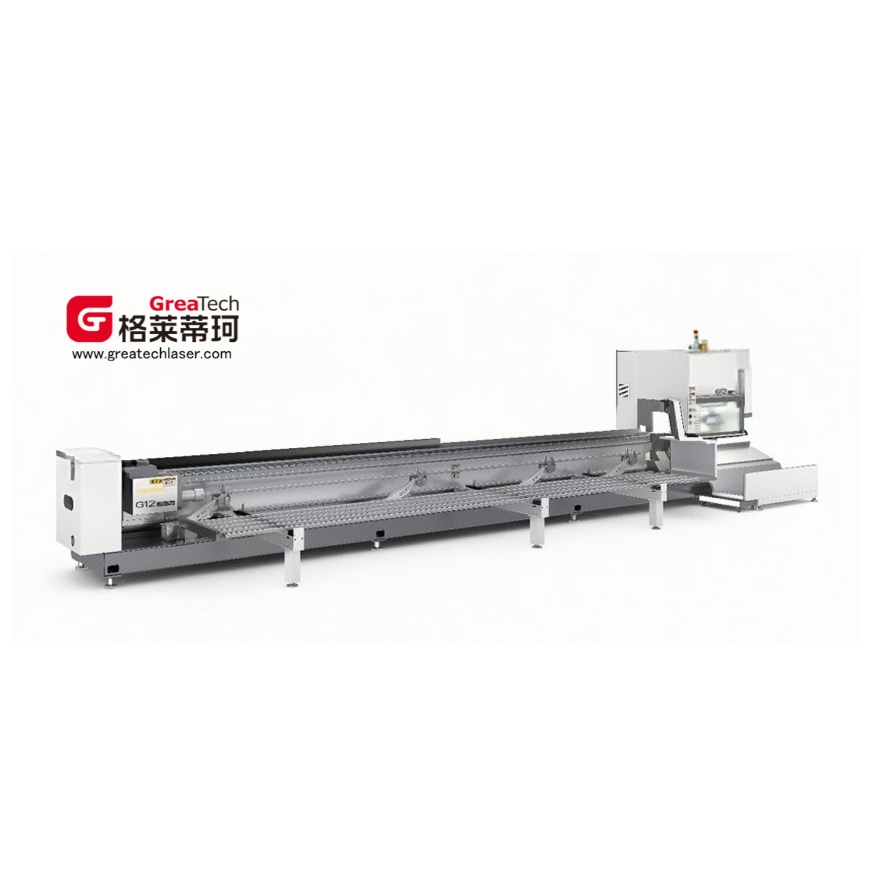
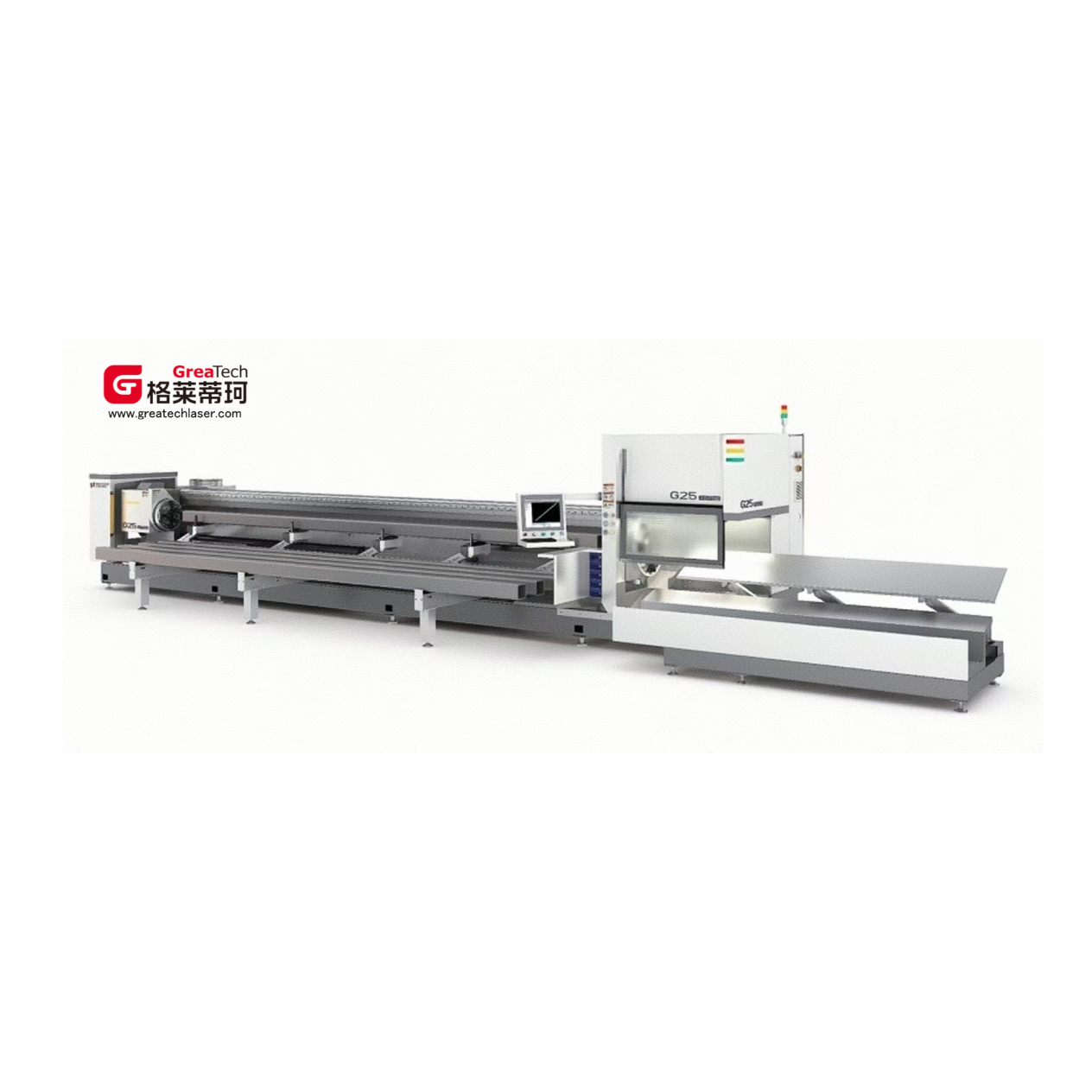
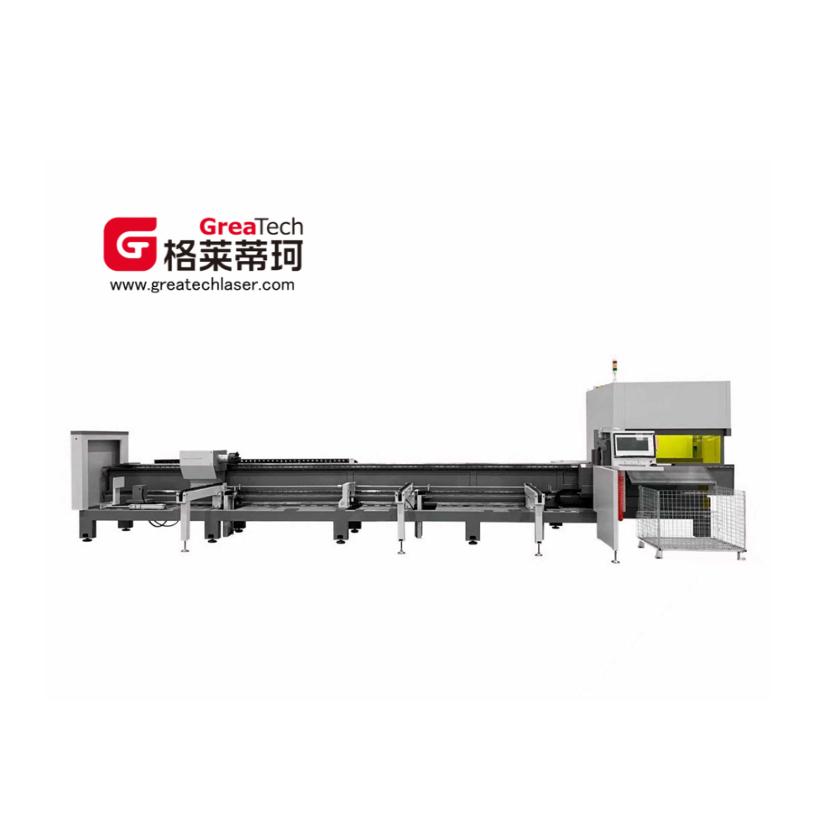
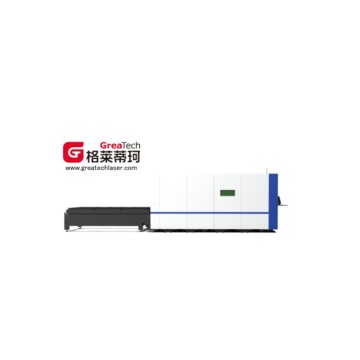
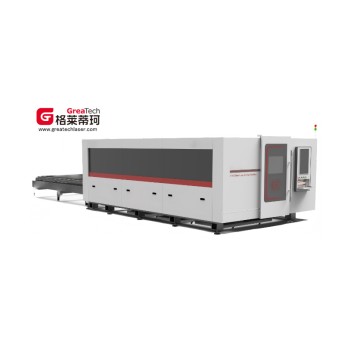
China Laser Pipe Cutting Machine G17-7017A (Two-Chuck) - High-Speed, Material-Saving, Precise Cutting Suppliers, Factory
Application
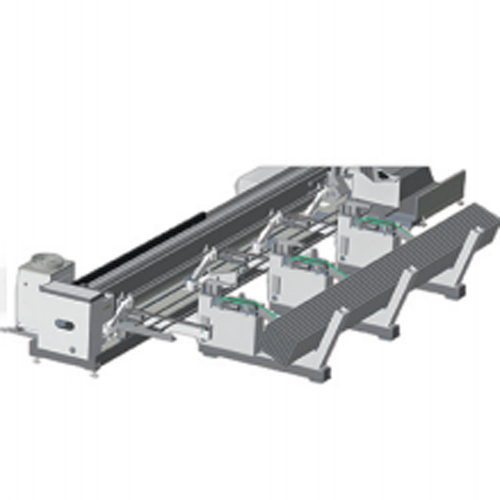
🔩 The Bed: It is made of plates and pipes through welding. After annealing at a high temperature of 600 degrees, it is kept warm for 4.5 hours, then slowly cooled in the furnace to 200–300 degrees before being taken out of the furnace for air cooling. This process eliminates the internal stress of the bed. After rough machining, finish machining is carried out, which greatly improves the rigidity and stability of the machine tool and ensures its long-term stable precision. The side-hanging machine tool structure, equipped with an automatic feeding machine, can effectively improve the feeding efficiency and simplify the blanking process.
💪 Rigidity: Welded with plates and pipes, the bed structure is connected with the horizontal and vertical beds by multiple reinforcing rib tube plates to ensure rigidity.
🔧 Welding: The welds on both sides are evenly distributed, and symmetric and staggered welding is adopted to reduce welding deformation.
📋 Annealing Report: Each bed number is accompanied by an annealing report.
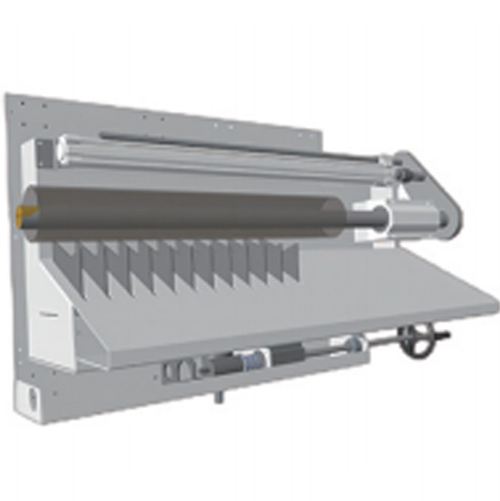
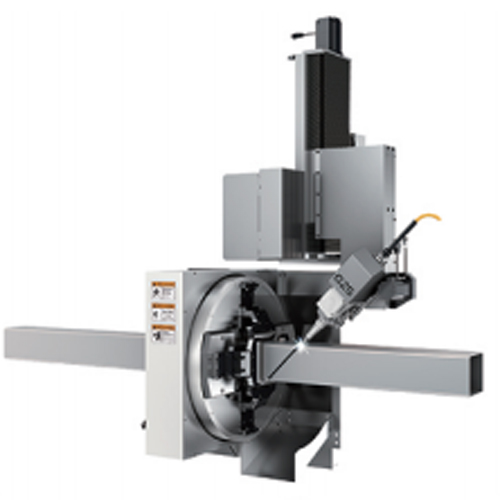
Beam and X-axis, Z-axis Devices
Structural Stability & Motion Control
The beam is annealed to eliminate internal stress, ensuring the rigidity and stability of the laser head's moving components. During movement, the limit switch controls the stroke for limiting, and there are also elastic buffer pads at both ends for mechanical limiting to ensure the safety of the system operation.
The Z-axis device mainly realizes the up and down movement of the laser head. The up and down movement of the laser head is controlled by the numerical control system through the servo motor, which drives the linear module to drive the Z-axis slide plate to reciprocate up and down. Proximity switches are used at both upper and lower ends to control the stroke, ensuring the safety and reliability of the movement.
Cutting Head and Follow-up Parts
Precision, Protection & Longevity
🛡️ Protection Monitoring: The tightness of the protection area under real-time monitoring effectively prolongs the service life of the protective mirror and ensures stable production.
🔄 Anti-Collision Design: The anti-collision design of the cutting head effectively reduces the probability of returning to the factory. There is no need for after-sales staff to come to the door, and customers can replace it by themselves, resulting in lower maintenance costs.
🧹 Dust-Proof Cover: A dust-proof cover plate is added to the optical lens area to improve the sealing level of the core chamber and extend the service life of the core lens.
📡 Capacitive Sensing Tracking: Equipped with a high-precision capacitive sensing automatic tracking system, under the control of the system, it can realize a very stable Z-axis floating function, preventing height errors caused by thermal stress deformation or uneven pipes during pipe cutting and processing.
Frequently Asked Questions
Q
What is the purpose of the high-temperature annealing process applied to the machine bed?
The machine bed undergoes annealing at 600°C, held for 4.5 hours, then slowly cooled to 200–300°C before air cooling. This process is specifically designed to eliminate internal stress within the welded structure, which significantly improves the rigidity, stability, and long-term precision of the machine tool.
Q
How does the welding method help reduce deformation of the machine bed?
Symmetric and staggered welding techniques are applied, with welds evenly distributed on both sides of the structure. This approach minimizes heat concentration and welding deformation, maintaining the structural integrity and dimensional accuracy of the bed over time.
Q
How is the Z-axis movement of the laser head controlled and protected?
The Z-axis movement is controlled by the numerical control system via a servo motor, which drives a linear module to move the Z-axis slide plate up and down. Proximity switches at both the upper and lower ends control the stroke limits, ensuring safe and reliable operation during all cutting processes.
Q
What are the maintenance advantages of the anti-collision cutting head design?
The anti-collision design reduces the likelihood of damage that would require factory returns for repair. Customers can replace the cutting head components themselves without needing an after-sales technician on-site, which significantly lowers maintenance costs and minimizes machine downtime.
Q
How does the capacitive sensing tracking system improve cutting accuracy on pipes?
The high-precision capacitive sensing automatic tracking system enables a stable Z-axis floating function. It continuously adjusts the laser head height in real time, compensating for height errors caused by thermal stress deformation or surface irregularities in pipes, ensuring consistent and accurate cutting results throughout the entire process.
Q
What protective measures are in place to extend the lifespan of the optical lens?
A dedicated dust-proof cover plate is installed over the optical lens area to enhance the sealing level of the core chamber, preventing contamination from dust and debris. Additionally, real-time monitoring of the protection area's tightness helps maintain the integrity of the protective mirror, collectively extending the service life of the core lens and ensuring stable production output.