

Leave Your Message
-
Contact WhatsApp
-
 Contact Phone
-

High-performance CNC laser cutting machines engineered for architectural metalwork panels, decorative screens, facades, and structural components.
From ornate facades to precision structural frameworks — how advanced laser cutting technology is reshaping the built environment.
Architectural metalwork has long been a cornerstone of both functional construction and aesthetic expression. From ancient wrought-iron gates to today's parametric stainless steel facades, metal has served as a material of choice for architects, designers, and fabricators worldwide. At the heart of this transformation lies one critical enabler: precision cutting tools.
In architectural metalwork, tolerances as tight as ±0.05mm can determine whether a decorative screen fits flush against a curtain wall or whether a structural bracket carries load correctly. Laser cutting tools have become the gold standard for achieving this level of precision at industrial scale.
The global architectural metalwork market was valued at over USD 38 billion in 2023 and is projected to grow at a CAGR of 5.8% through 2030, driven by urbanization, green building initiatives, and the rising demand for customized architectural aesthetics. Within this market, laser cutting tools — including fiber laser flat sheet cutters and CNC laser tube/pipe cutting machines — represent the fastest-growing equipment segment.
The architectural metal fabrication industry has undergone a dramatic shift over the past decade. Traditional plasma cutting and waterjet methods, while still present, are increasingly being displaced by fiber laser cutting systems due to their superior edge quality, faster processing speeds, and lower operating costs per part.
Today, a modern metal fabrication workshop serving the architecture and decor sector typically operates with:
The integration of AI-driven nesting algorithms and IoT-enabled machine monitoring has further elevated productivity, allowing fabricators to produce complex decorative patterns — such as parametric screens, perforated panels, and custom cladding — with minimal human intervention.
Next-generation laser cutting systems now incorporate machine-learning algorithms that auto-adjust cutting parameters based on material thickness, reflectivity, and surface condition — dramatically reducing setup time and scrap rates for high-value architectural metals.
With sustainability at the forefront of architecture, fabricators are demanding cutting tools with lower energy consumption. Modern fiber lasers consume up to 70% less energy than CO₂ lasers and produce no chemical waste, aligning with LEED and BREEAM green building standards.
Architects increasingly specify one-of-a-kind metal elements — custom perforated screens, bespoke cladding patterns, unique balustrade designs. High-speed laser cutting makes mass customization economically viable, enabling short production runs without retooling costs.
Leading fabricators are deploying digital twin technology to simulate cutting jobs before physical production, identifying potential defects and optimizing tool paths. This reduces material waste by up to 18% on complex architectural projects.
Post-pandemic supply chain disruptions have accelerated the trend toward regional manufacturing. Compact, high-capability laser cutting systems allow smaller regional fabricators to serve local architectural projects with faster turnaround and reduced logistics costs.
The push toward cutting thicker structural metals — up to 60mm steel — has driven the adoption of 15000W+ fiber laser systems. These ultra-high-power cutters are transforming what is possible in heavy architectural metalwork, from monumental sculptures to large-span structural nodes.
Laser cutting tools serve a remarkably diverse range of applications across the architectural metalwork and interior decor industries.
One of the most visually striking applications of laser cutting in architecture is the production of decorative metal screens — intricate perforated panels used as building facades, interior partitions, sunshading systems, and feature walls. These screens can feature geometric patterns, organic forms, or even photographic imagery translated into varying perforation densities.
Laser cutting is uniquely suited to this application because it can execute thousands of individual cut features per panel with consistent precision, regardless of pattern complexity. Materials commonly used include stainless steel, aluminum, Corten weathering steel, and brass — all processed efficiently by fiber laser systems.
Modern architectural facades increasingly feature laser-cut metal cladding panels that serve dual purposes: aesthetic expression and functional performance (solar shading, ventilation, acoustic dampening). High-power laser cutters enable fabricators to process large-format panels (up to 6m × 2.5m) with tight dimensional tolerances required for seamless facade assembly.
Beyond decorative applications, laser cutting tools are critical for producing structural architectural components: connection plates, gussets, brackets, beam end plates, and custom structural nodes. CNC laser pipe and tube cutting machines are particularly valuable for fabricating complex hollow structural section (HSS) connections — such as those used in space frames, canopy structures, and architectural steel staircases.
The ability to cut precise cope cuts, saddle cuts, and compound angle cuts on round, square, and rectangular tubes — without secondary machining — dramatically reduces fabrication time and improves joint fit-up quality.
The luxury interior design market represents a growing segment for precision laser-cut metalwork. Applications include:
Laser-cut metalwork extends beyond buildings into the urban landscape: custom park benches, sculptural planters, street furniture, public art installations, and pedestrian bridge railings all benefit from the precision and repeatability of CNC laser cutting. Corten steel is particularly popular in this segment due to its self-weathering patina and structural durability.
For heritage building restoration projects, laser cutting enables the precise reproduction of ornate historical metalwork elements — decorative grilles, cast iron-style panels, and period-appropriate architectural details — in modern materials with superior durability and at a fraction of the cost of traditional hand fabrication.
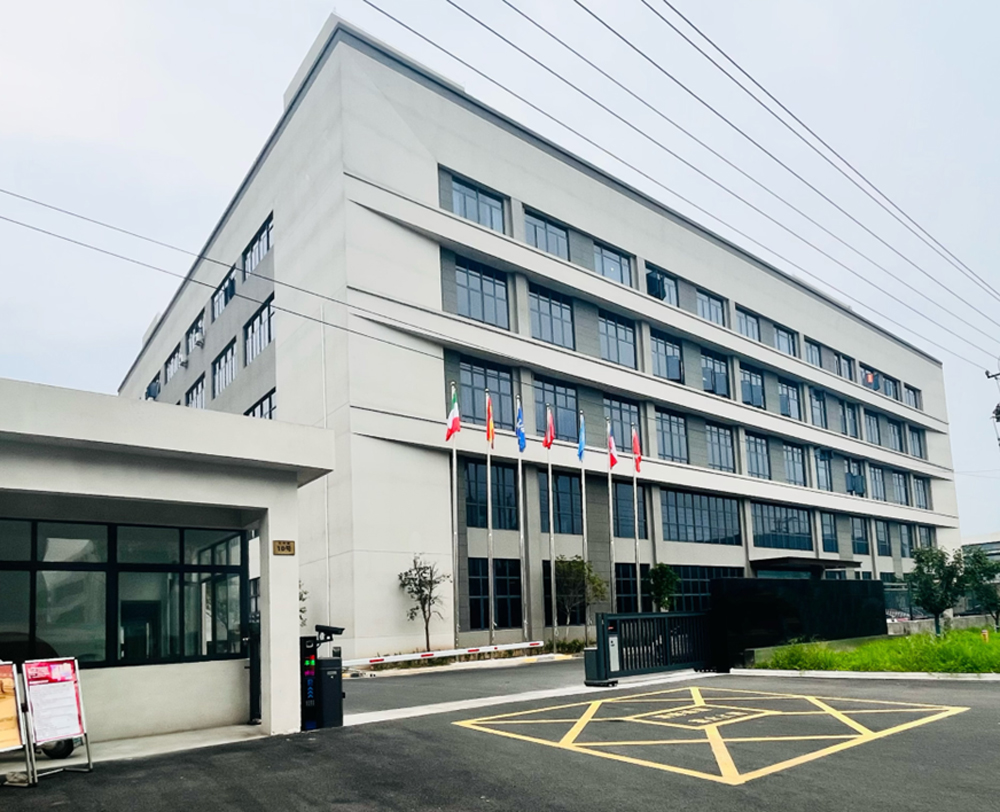
Founded in 2013, GREATECH boasts a core team with more than 15 years of profound expertise in the welding and metal cutting industry — a solid foundation that has guided our steady development and strategic transformation over the past decade.
Starting with a focus on high-quality welding wire, we have continuously expanded our business layout, evolving from a professional welding material supplier to a one-stop solution provider for comprehensive welding materials, accessories, and later, high-end metal processing equipment.
In 2018, we seized the market opportunity of industrial upgrading and launched a strategic shift to high-end laser equipment. Based in Zhangjiagang, Jiangsu — a key hub for advanced manufacturing — we jointly developed a full range of CNC laser equipment, including laser metal tube cutters, flat sheet cutters, laser engraving machines, and laser welding machines.
In 2018, we seized the market opportunity of industrial upgrading and launched a strategic shift to high-end laser equipment. Based in Zhangjiagang, Jiangsu — a key hub for advanced manufacturing — we jointly developed a full range of CNC laser equipment, including laser metal tube cutters, flat sheet cutters, laser engraving machines, and laser welding machines. With rigorous R&D investment and strict quality control, these high-precision laser machines have quickly gained recognition in both domestic and international markets, becoming a core driving force for our business growth.
Leveraging our mature global trade capabilities and stringent quality management system, our products are now exported to more than 30 countries and regions around the world. We have built a robust and efficient global distribution network, with our trusted brands — GREATECH, WECUT, and START — widely recognized as symbols of reliability, precision, and durability in the welding, cutting, and metal processing industry. Additionally, we have established long-term and stable cooperation as a professional OEM partner for many well-known international brands, winning high praise for our professional R&D, production, and service capabilities.
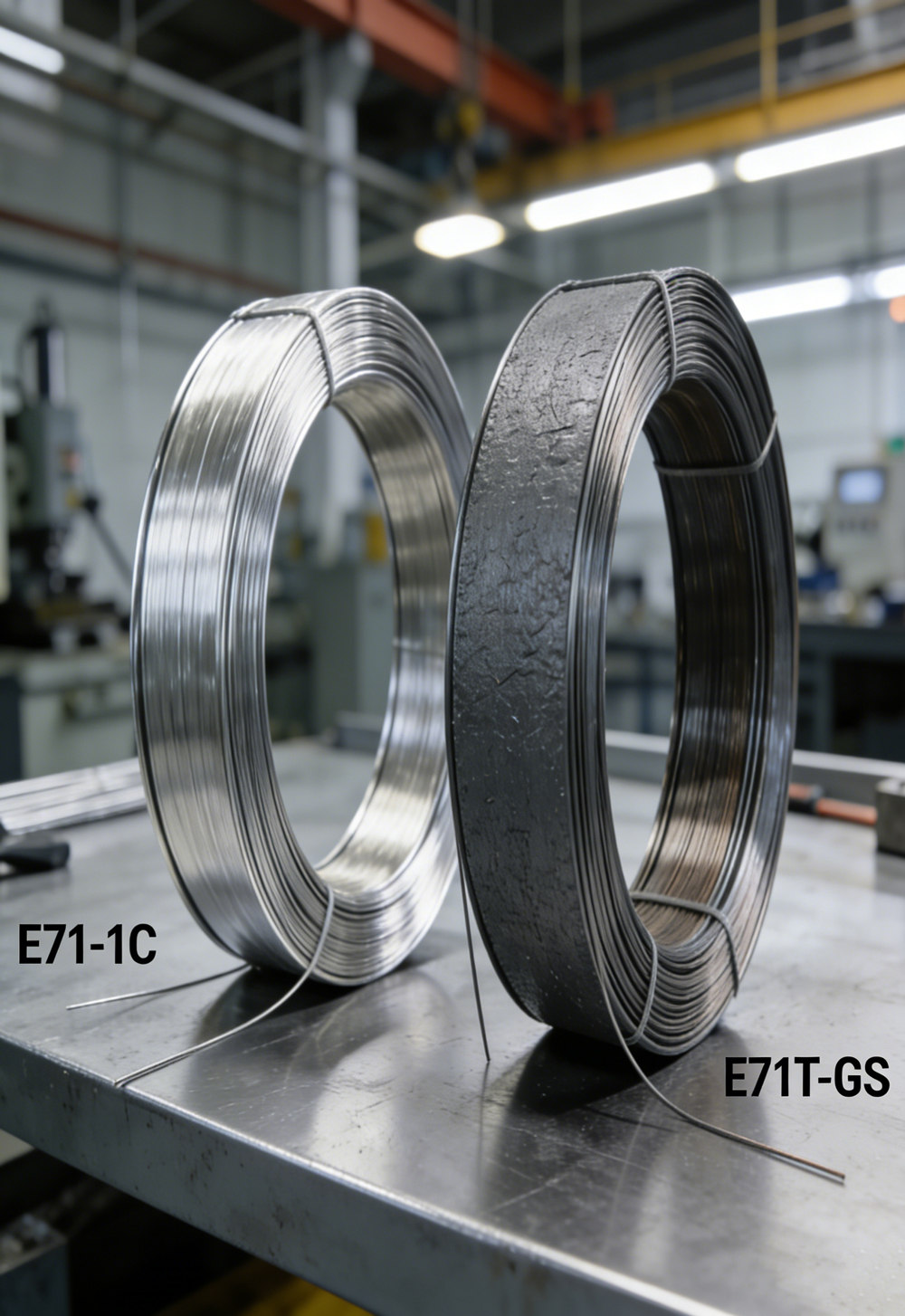
Our journey began with deep expertise in welding wire technology, building the metallurgical and process knowledge that underpins all our subsequent cutting tool innovations.
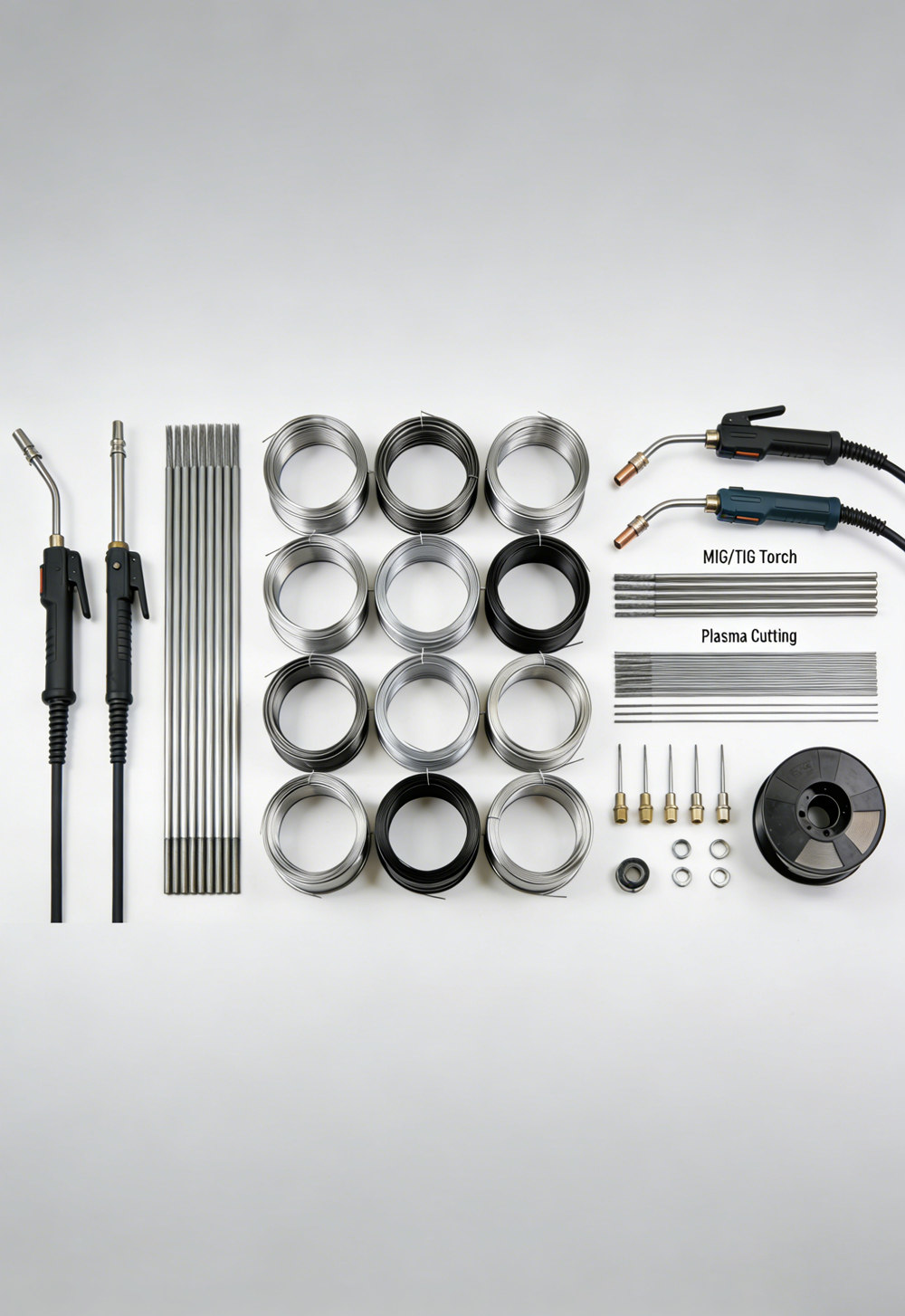
Driven by market demand and customer needs, we continuously expanded our product portfolio, gradually building a complete welding material matrix. On this basis, we further extended our business to welding and cutting accessories, including MIG/TIG torches, cutting torches, as well as complete sets of welding and plasma cutting equipment, laying a solid foundation for our subsequent transformation to large-scale metal processing machinery.
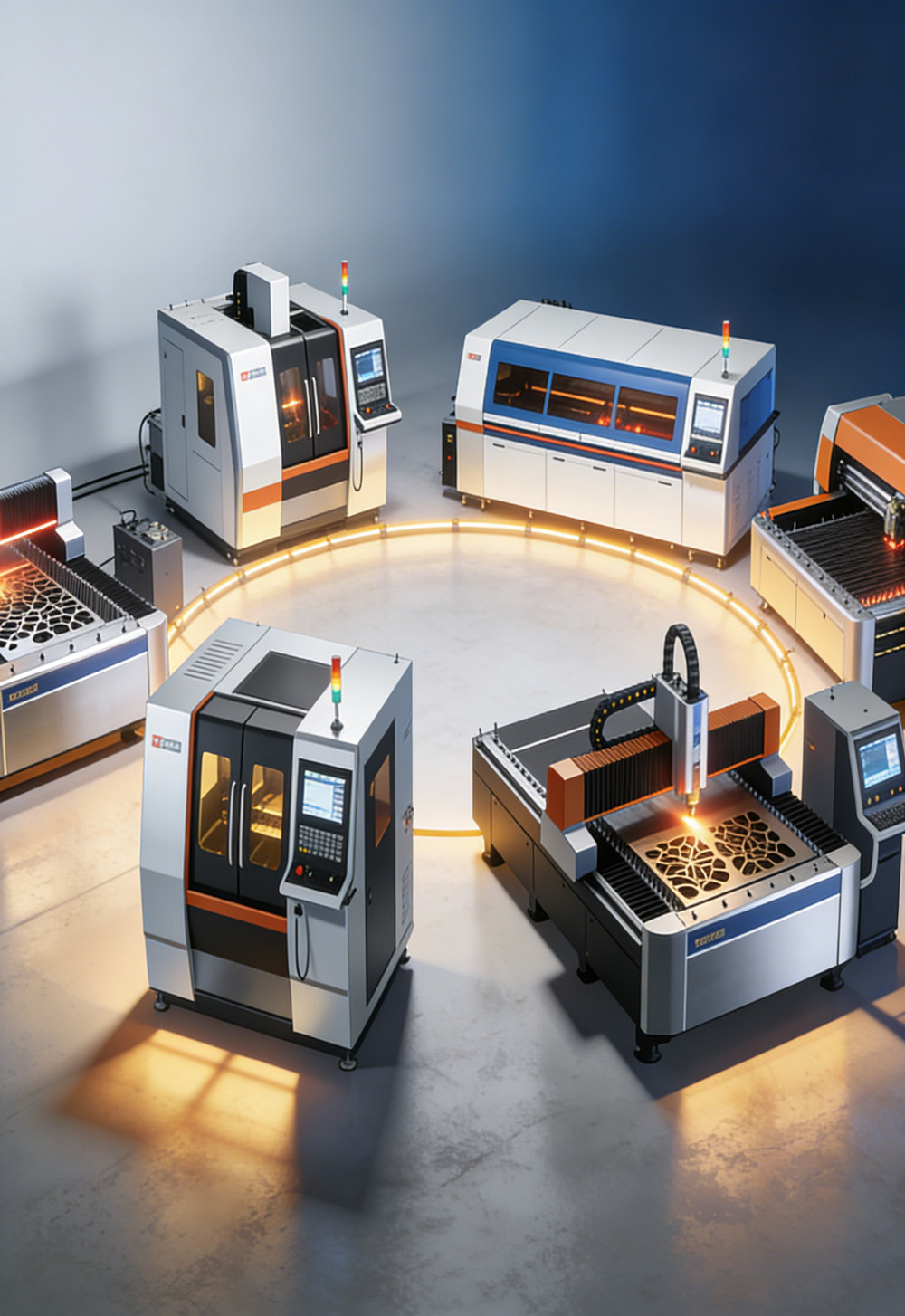
Our strategic pivot to fiber laser cutting systems marked the beginning of a new chapter — delivering cutting tool solutions purpose-built for architectural metalwork and precision decor fabrication.
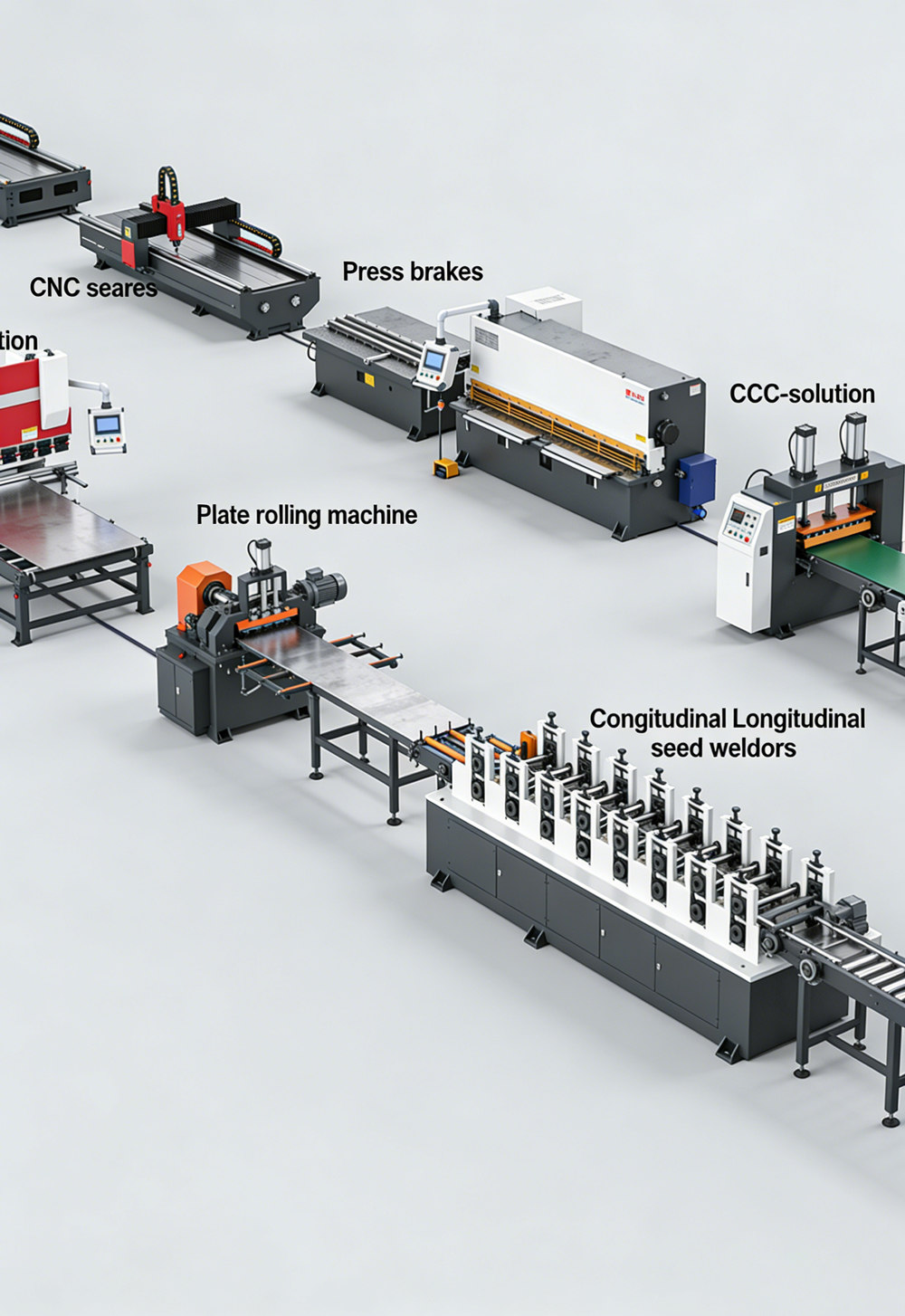
Today, GREATECH offers a complete metal fabrication chain — from raw material cutting to finished architectural components — supported by a global service network spanning 30+ countries.
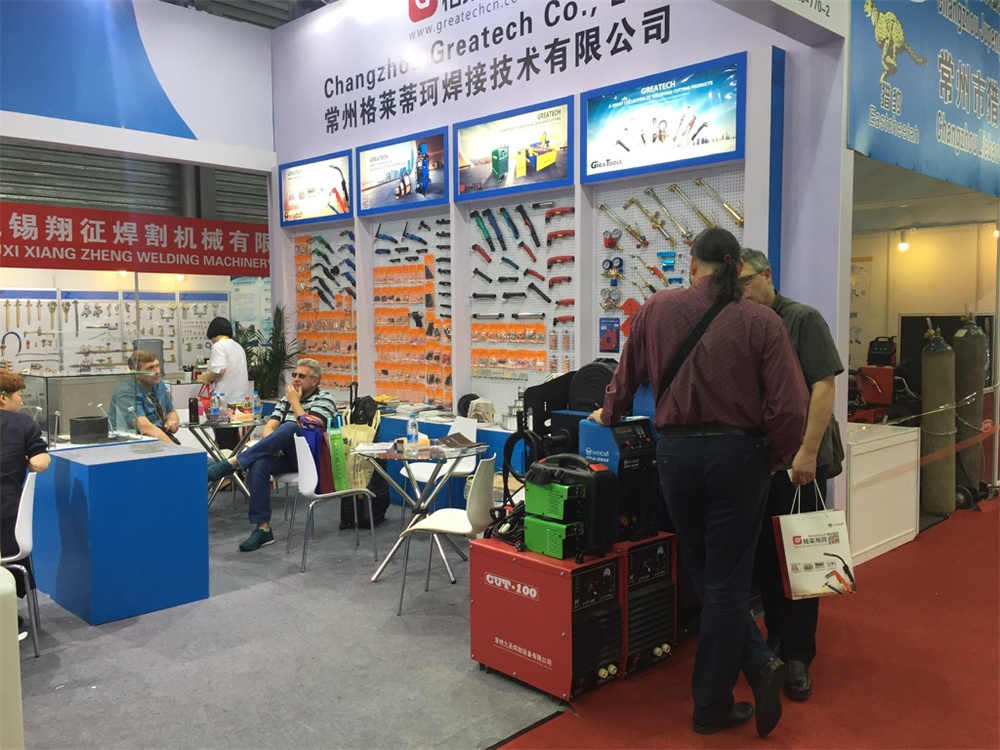
GREATECH actively participates in leading international metalworking and welding exhibitions, showcasing our latest laser cutting solutions to the global architectural metal fabrication community.
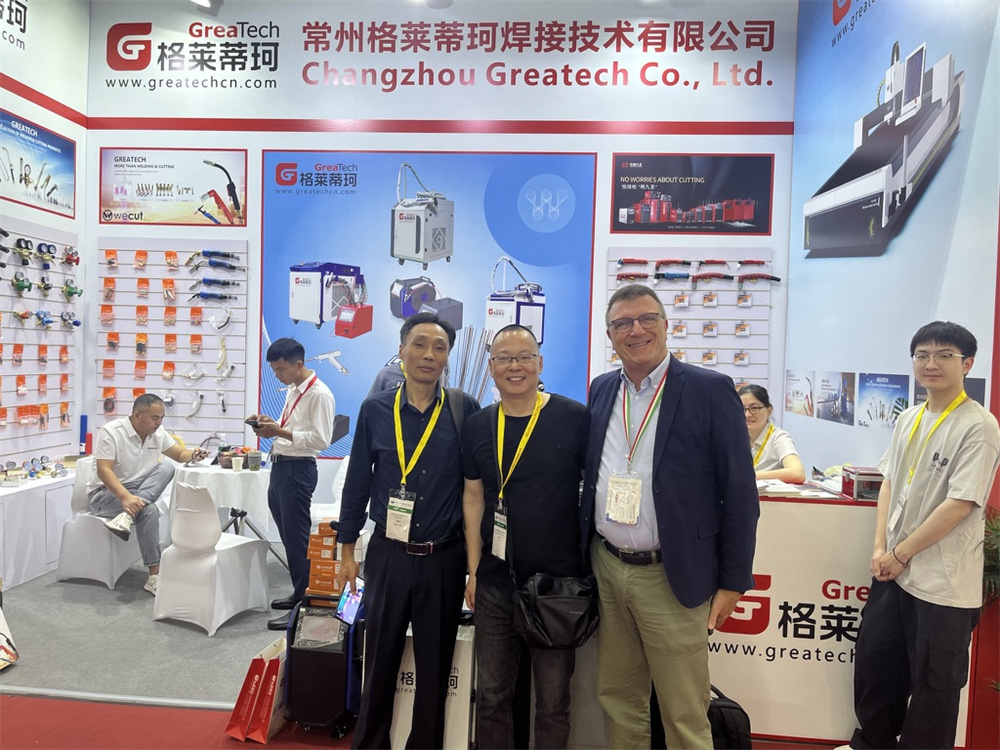
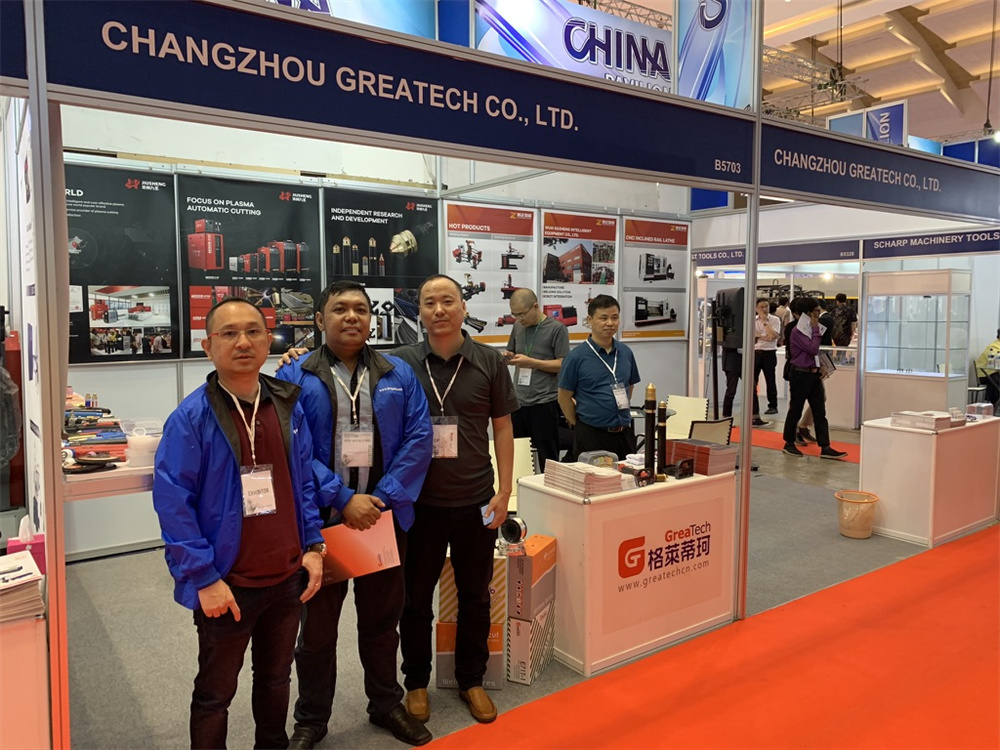
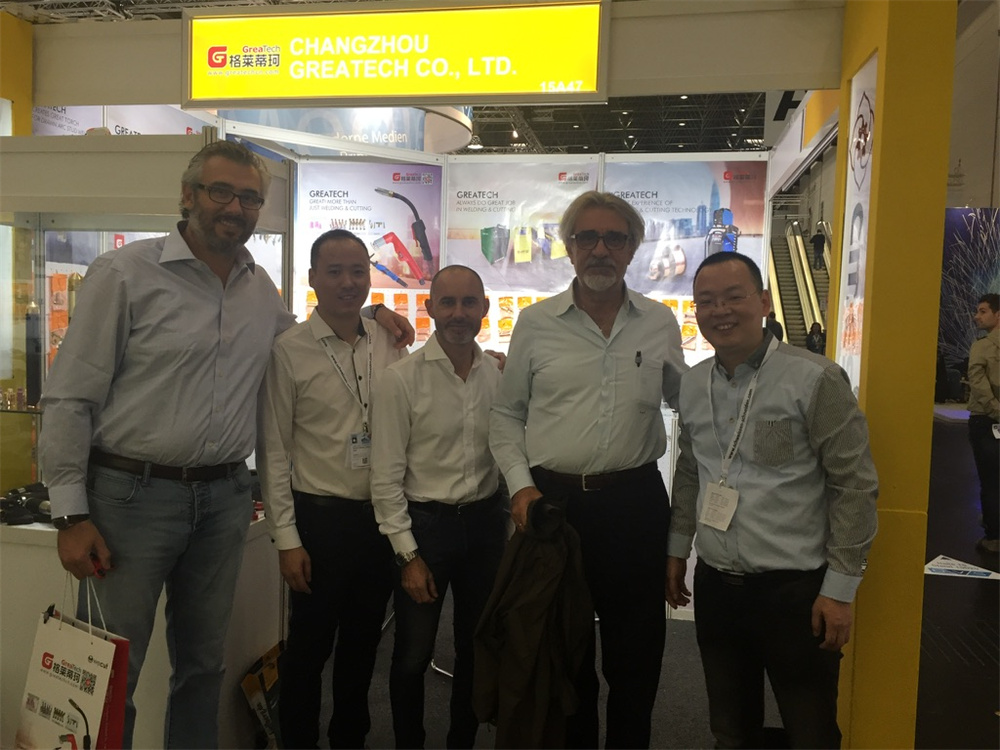
Explore our complete lineup of CNC laser cutting machines — engineered for architectural facades, decorative screens, structural metalwork, and precision pipe fabrication.
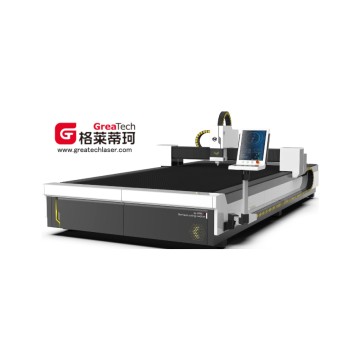 Architectural Facade Sheet Cutter — GL6025-SG / 3000W–15000W
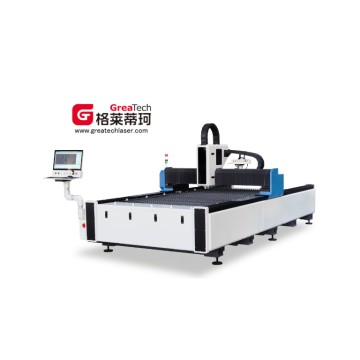 Decorative Screen Sheet Cutter — GL6020-SJ / 500W–3000W
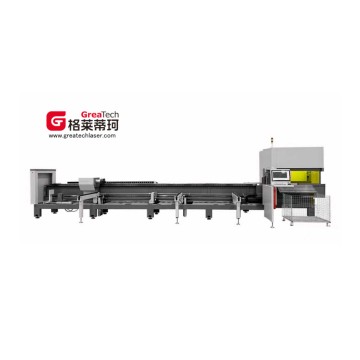 Structural Metalwork Pipe Cutter — G17–7013
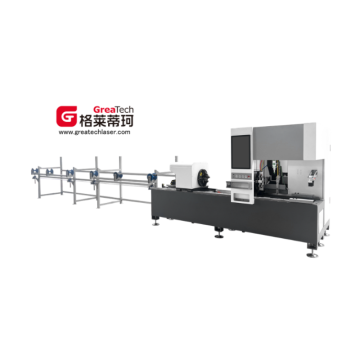 Architectural Decor Tube Cutter — G9S
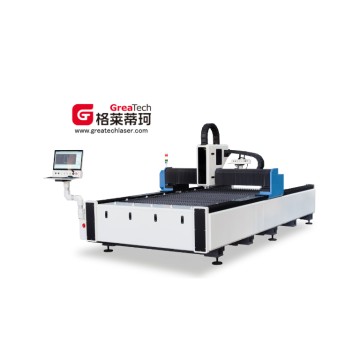 Metal Cladding Panel Cutter — GL4020-SJ / 500W–3000W
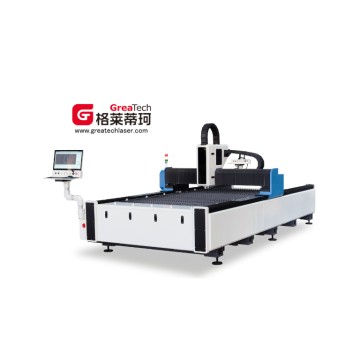 Interior Decor Metal Cutter — GL3015-SJ / 500W–3000W
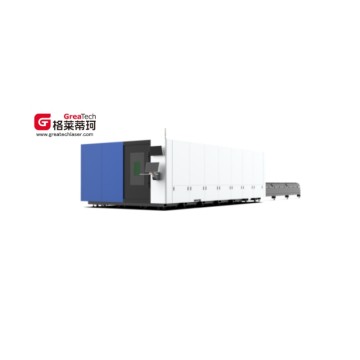 Enclosed Exchange Platform Cutter for Architectural Metal — DF6025
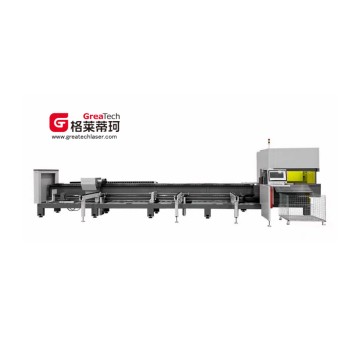 Balustrade & Handrail Pipe Cutter — G17–7017A


Upholding the core philosophy of "Customer First, Win-Win Cooperation", we have always focused on customer needs, continuously optimized our products and services, and strived to create long-term value for our global partners. Over the years, with unremitting efforts and professional dedication, GREATECH has achieved a 10-fold sales growth since its inception, growing into a trusted one-stop supplier in the global welding, cutting, and metal processing industry, and a reliable partner for enterprises pursuing high-quality development.