
Leave Your Message
-
Contact WhatsApp
-
 Contact Phone
-

High-precision fiber laser systems engineered for decorative metal panels, façade cladding, ornamental gates & interior metal art
A laser etching machine for architectural metalwork and decor is a high-precision CNC-controlled system that uses a focused laser beam to permanently engrave, mark, or etch intricate patterns, textures, logos, and structural designs onto metal surfaces. Unlike traditional mechanical engraving or chemical etching, laser technology delivers micron-level accuracy with zero physical contact, making it the preferred solution for architects, interior designers, and metal fabricators worldwide.
In the context of architectural applications, laser etching machines are deployed across a vast spectrum — from large-scale decorative stainless steel wall cladding and perforated aluminum façade panels, to ornate wrought iron gates, bespoke handrails, luxury elevator interiors, and custom metal signage. The ability to reproduce complex geometric patterns, organic motifs, corporate branding, and photorealistic imagery on metal substrates with consistent repeatability has fundamentally transformed how architects and designers approach metalwork.
The global architectural metalwork market was valued at over USD 120 billion in 2023 and is projected to grow at a CAGR of 5.8% through 2030, driven by rising demand for premium building materials, smart city infrastructure, and bespoke interior design. Laser etching technology sits at the heart of this growth, enabling fabricators to meet the increasingly complex specifications of modern architecture while maintaining cost efficiency and production scalability.
Where laser etching machines are redefining architectural metalwork and decorative design
Architects specify laser-etched aluminum and stainless steel cladding panels for building exteriors. Complex Islamic geometric patterns, parametric wave forms, and custom corporate graphics are etched at scale for iconic façade projects, providing both aesthetic value and solar shading functionality.
High-end residential and commercial gate manufacturers use laser etching to produce intricate scrollwork, heraldic emblems, and custom monograms on steel and wrought iron. The result is a premium product that commands significantly higher market value than mechanically produced alternatives.
Premium elevator manufacturers and fit-out contractors rely on laser etching to create brushed stainless steel wall panels with wood-grain textures, abstract art, and brand identities. The non-contact process preserves the mirror or brushed finish while adding permanent decorative depth.
Interior designers use laser-cut and etched metal screens as room dividers, feature walls, and ceiling elements. Botanical motifs, cityscape silhouettes, and custom artwork are executed with sub-millimeter precision on brass, copper, and stainless steel sheets.
Laser etching machines equipped with rotary attachments enable continuous pattern etching on tubular steel and aluminum handrails, creating bespoke architectural staircases that serve as statement features in hotels, museums, and corporate headquarters.
From hospital directories to airport wayfinding systems and luxury hotel signage, laser-etched metal signs offer permanent legibility, ADA-compliant tactile features, and a premium aesthetic that painted or printed alternatives cannot match.
High-end furniture manufacturers integrate laser-etched metal components — table tops, cabinet door inserts, and decorative hardware — into bespoke interior schemes for hospitality, retail, and residential projects.
Civic authorities and public art commissions use industrial laser etching to produce large-format commemorative plaques, urban art installations, and architectural memorials on weather-resistant stainless steel and bronze substrates.
The industrial-chic design trend has driven demand for laser-etched raw steel and Corten panels in restaurants, breweries, and retail spaces, where exposed metal surfaces with etched patterns create authentic, tactile brand environments.
Key developments shaping the laser etching market for architectural metalwork through 2030
Ultra-High-Power Fiber Lasers (20kW–30kW): The shift toward multi-kilowatt fiber laser sources is enabling faster etching speeds on thicker architectural substrates, reducing production cycle times by up to 60% compared to CO₂ systems and dramatically expanding the range of processable materials including titanium and Duplex stainless steel.
AI-Driven Pattern Generation & Parametric Design Integration: Laser etching software platforms are increasingly integrating with parametric design tools such as Grasshopper and Rhino, allowing architects to generate algorithmically complex surface patterns that are directly translated to machine G-code — eliminating manual digitization steps and enabling truly generative architectural metalwork.
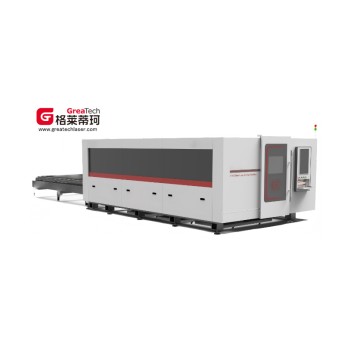
Automated Material Handling & Lights-Out Manufacturing: Exchange-platform and fully-enclosed laser etching systems with automated sheet loading, unloading, and sorting are enabling 24/7 unmanned production of architectural metal components, making small-batch customization economically viable for fabricators of all sizes.
Green Manufacturing & Zero-Waste Processing: Laser etching produces no chemical waste, requires no consumable tooling, and generates minimal material loss compared to traditional acid etching or mechanical engraving. This aligns with the construction industry's growing commitment to sustainable material processing and LEED certification requirements.
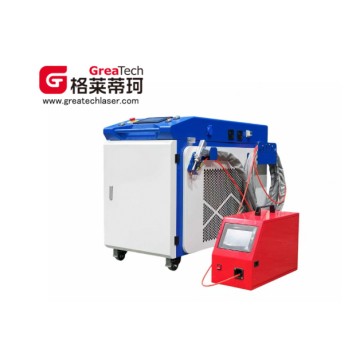
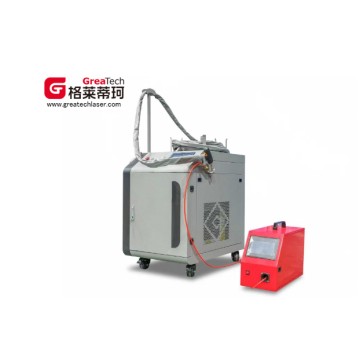
Hybrid Laser Systems (Cutting + Etching + Welding): Next-generation platforms combine laser cutting, surface etching, and laser welding in a single machine footprint, enabling complete architectural metalwork fabrication — from raw sheet to finished decorative component — without workpiece transfer, reducing handling time and improving dimensional accuracy.
Growing OEM Demand from Global Architecture Firms: International architecture and interior design firms are increasingly specifying laser-etched metal components as standard elements in project specifications, driving OEM partnerships between laser equipment manufacturers and specialist metalwork fabricators across Southeast Asia, the Middle East, and Europe.
The commercial adoption of laser etching machines in the architectural metalwork sector has accelerated dramatically since 2018, driven by falling fiber laser source costs, improved beam quality, and the democratization of CNC control software. What was once a technology reserved for aerospace and automotive precision manufacturing has become the standard production method for architectural metalwork fabricators serving residential, commercial, and infrastructure projects globally.
In the Middle East, where architectural ambition and decorative metalwork traditions intersect, laser etching has become indispensable for producing the intricate mashrabiya screens, geometric façade panels, and ornamental metalwork that define contemporary Islamic architecture. In Europe, the technology drives the production of high-specification building envelopes where precision, surface quality, and dimensional consistency are contractually mandated. In North America, laser etching powers the booming custom interior metalwork market, from bespoke restaurant feature walls to luxury residential staircase balustrades.
From a business model perspective, laser etching capability enables metalwork fabricators to move up the value chain — from commodity metal processing toward design-led, high-margin architectural product manufacturing. The ability to offer rapid prototyping, short production runs, and mass customization without tooling costs makes laser etching particularly attractive for fabricators targeting the luxury construction, hospitality fit-out, and public infrastructure sectors.
In 2018, GREATECH seized the market opportunity of industrial upgrading and launched a strategic pivot to high-end laser equipment. Based in Zhangjiagang, Jiangsu — a key hub for advanced manufacturing — we jointly developed a full range of CNC laser equipment, including laser metal tube cutters, flat sheet cutters, laser engraving machines, and laser welding machines. With rigorous R&D investment and strict quality control, these high-precision laser machines have quickly gained recognition in both domestic and international markets, becoming a core driving force for our business growth.
Leveraging our mature global trade capabilities and stringent quality management system, our products are now exported to more than 30 countries and regions around the world. We have built a robust and efficient global distribution network, with our trusted brands — GREATECH, WECUT, and START — widely recognized as symbols of reliability, precision, and durability in the welding, cutting, and metal processing industry. Additionally, we have established long-term and stable cooperation as a professional OEM partner for many well-known international brands, winning high praise for our professional R&D, production, and service capabilities.
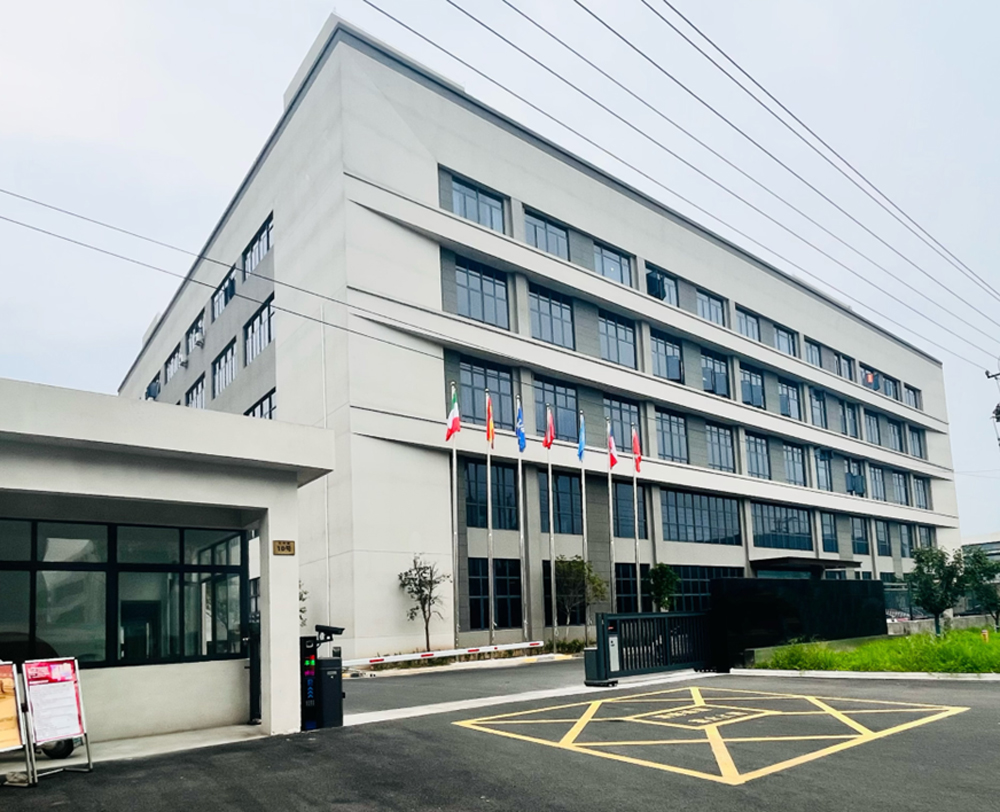
Founded in 2013, GREATECH boasts a core team with more than 15 years of profound expertise in the welding and metal cutting industry — a solid foundation that has guided our steady development and strategic transformation over the past decade. Starting with a focus on high-quality welding wire, we have continuously expanded our business layout, evolving from a professional welding material supplier to a one-stop solution provider for comprehensive welding materials, accessories, and later, high-end metal processing equipment.
Today, GREATECH's laser etching and cutting machines serve architectural metalwork fabricators, interior design studios, and construction contractors across more than 30 countries, delivering the precision, reliability, and after-sales support that demanding architectural projects require.
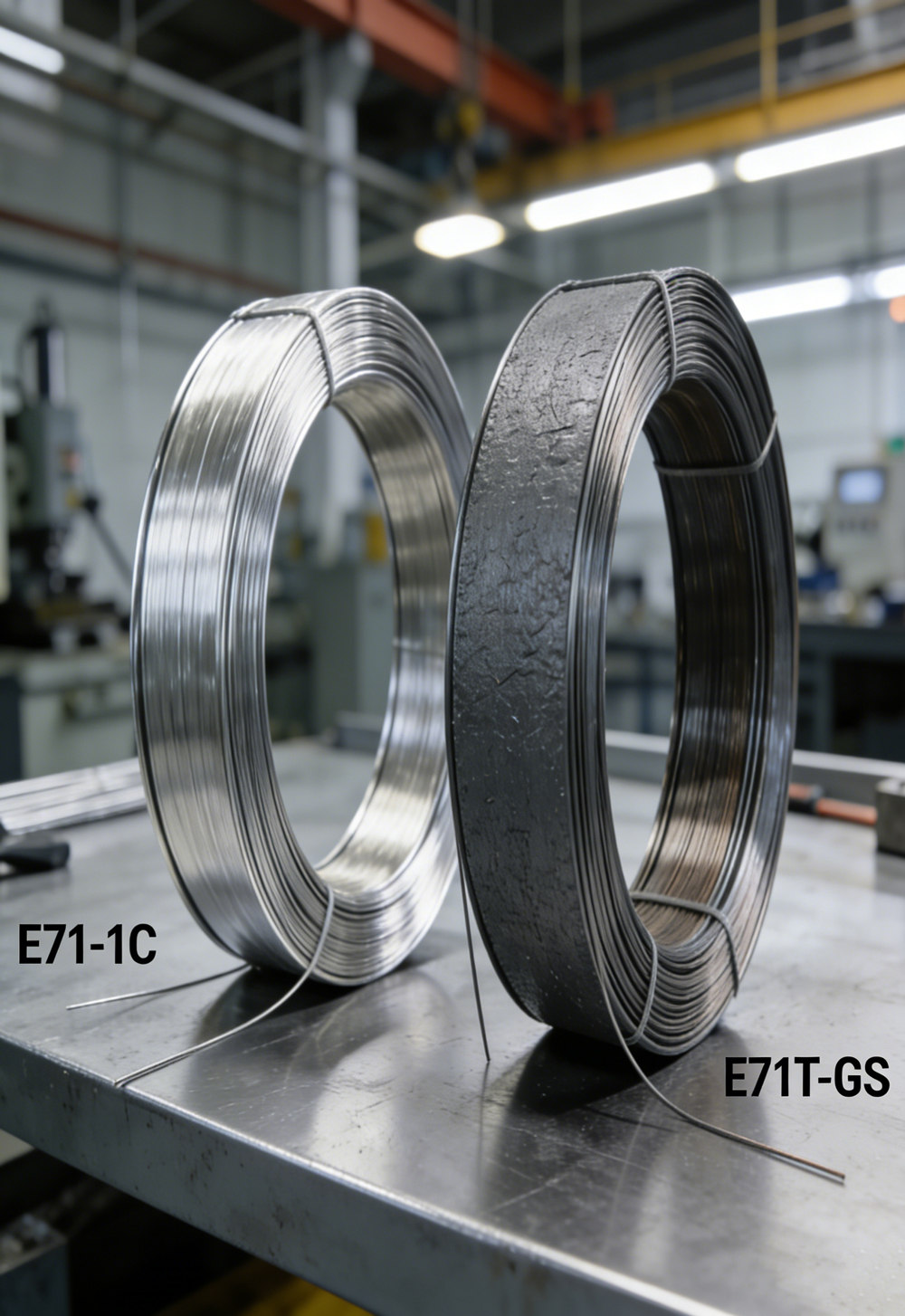
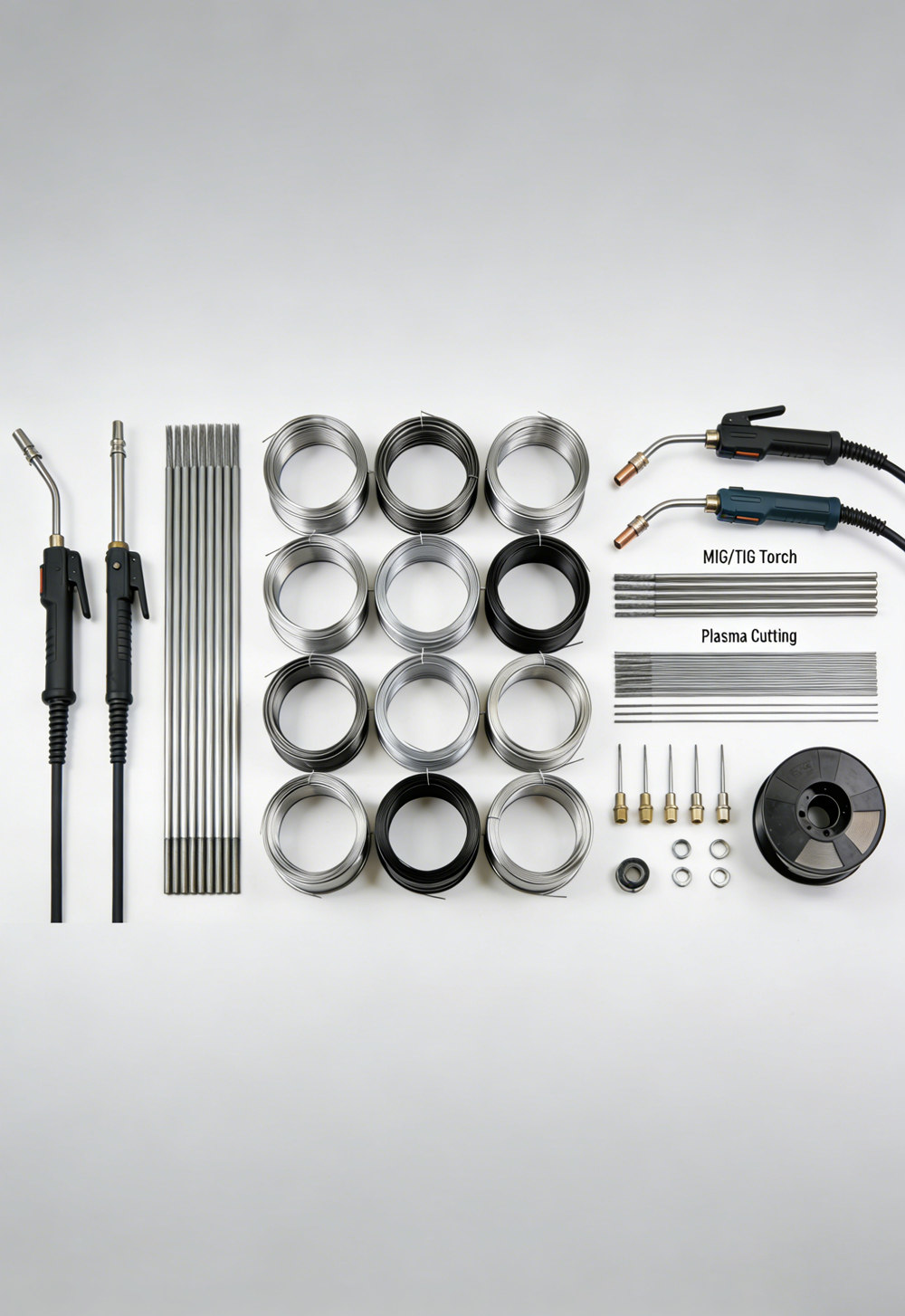
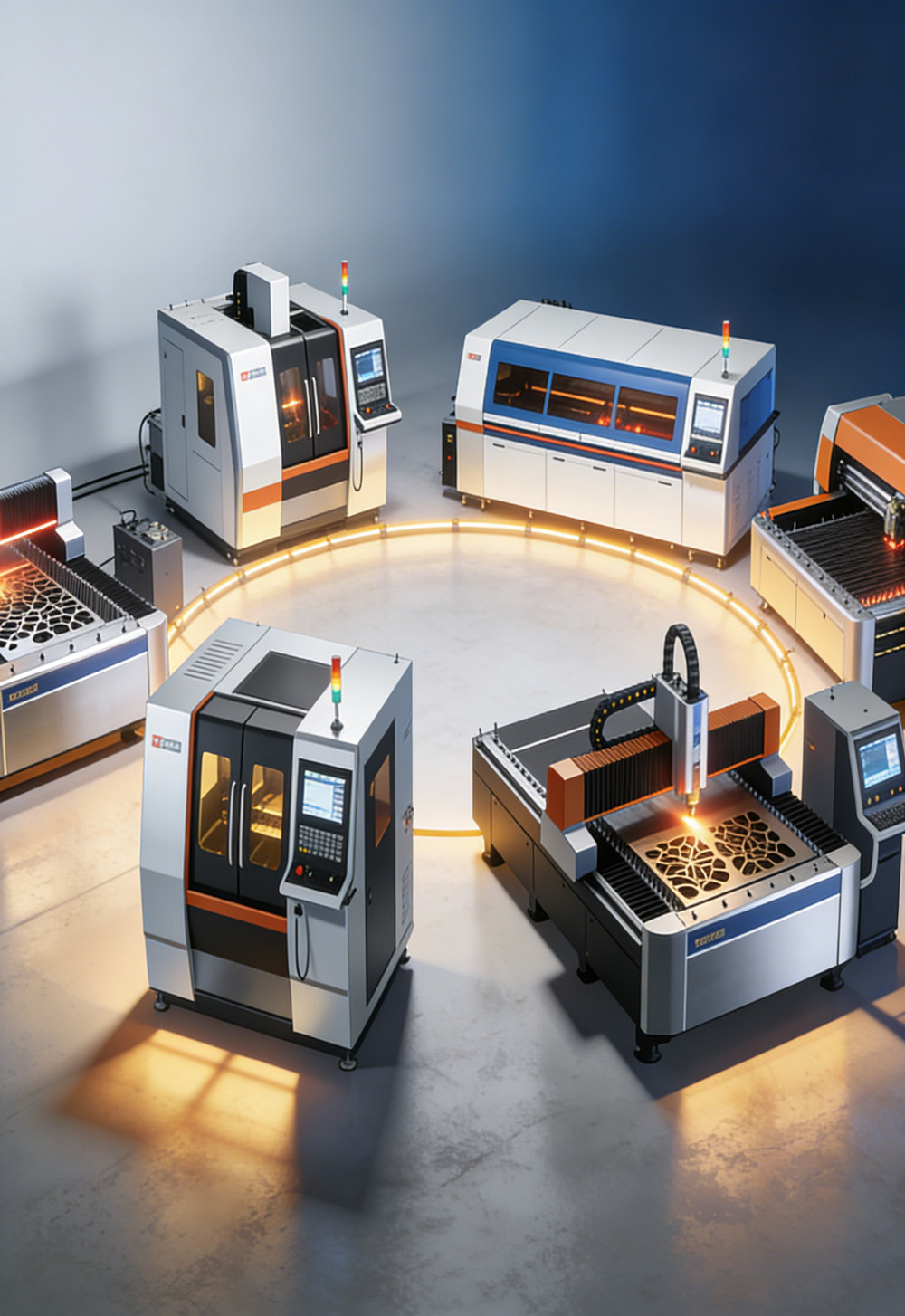
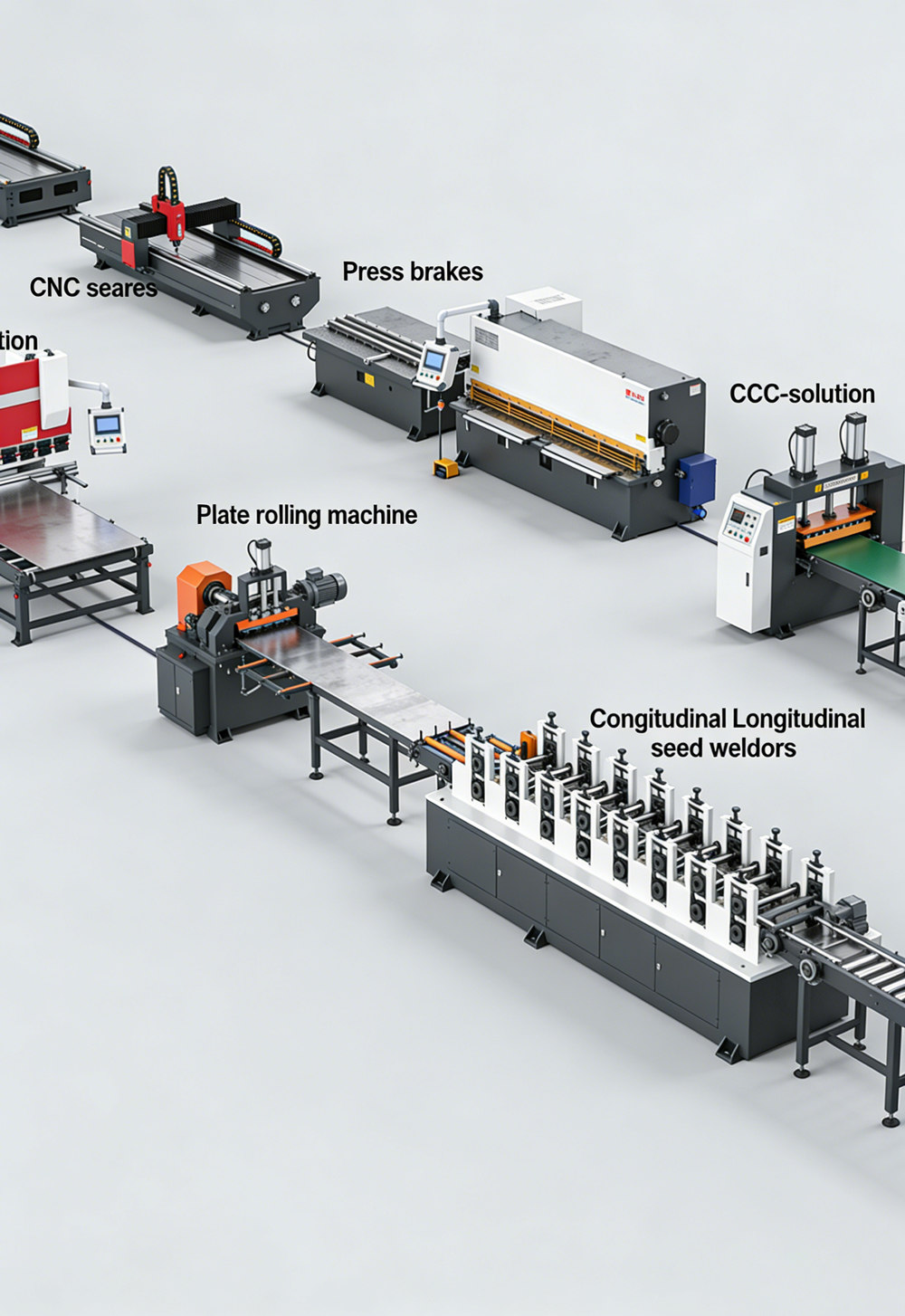
Driven by market demand and customer needs, GREATECH continuously expanded its product portfolio, gradually building a complete welding material matrix. On this basis, we further extended our business to welding and cutting accessories, including MIG/TIG torches, cutting torches, as well as complete sets of welding and plasma cutting equipment, laying a solid foundation for our subsequent transformation to large-scale metal processing machinery — and ultimately to the high-precision laser etching systems that now serve the world's most demanding architectural metalwork projects.
Showcasing our laser etching machines for architectural metalwork at leading international industry events
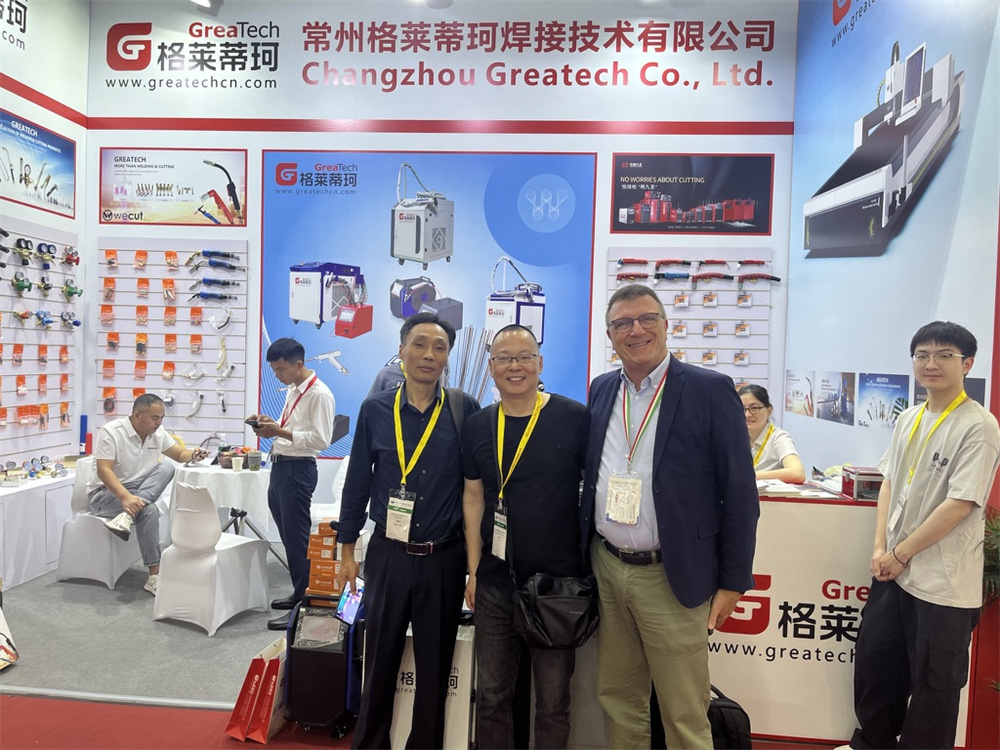
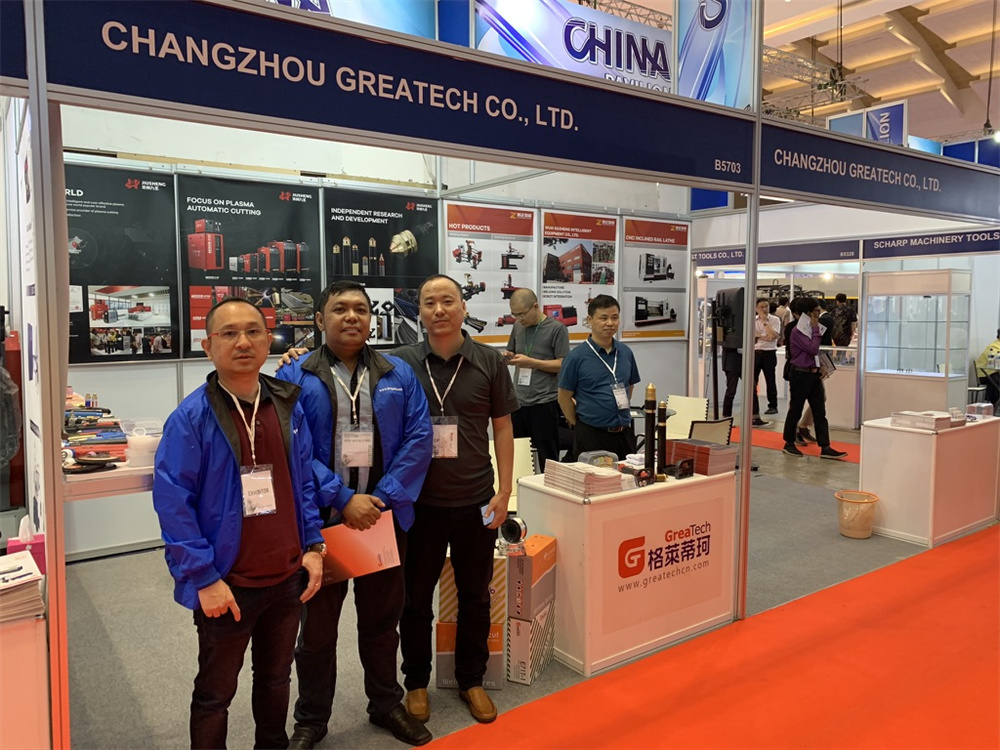
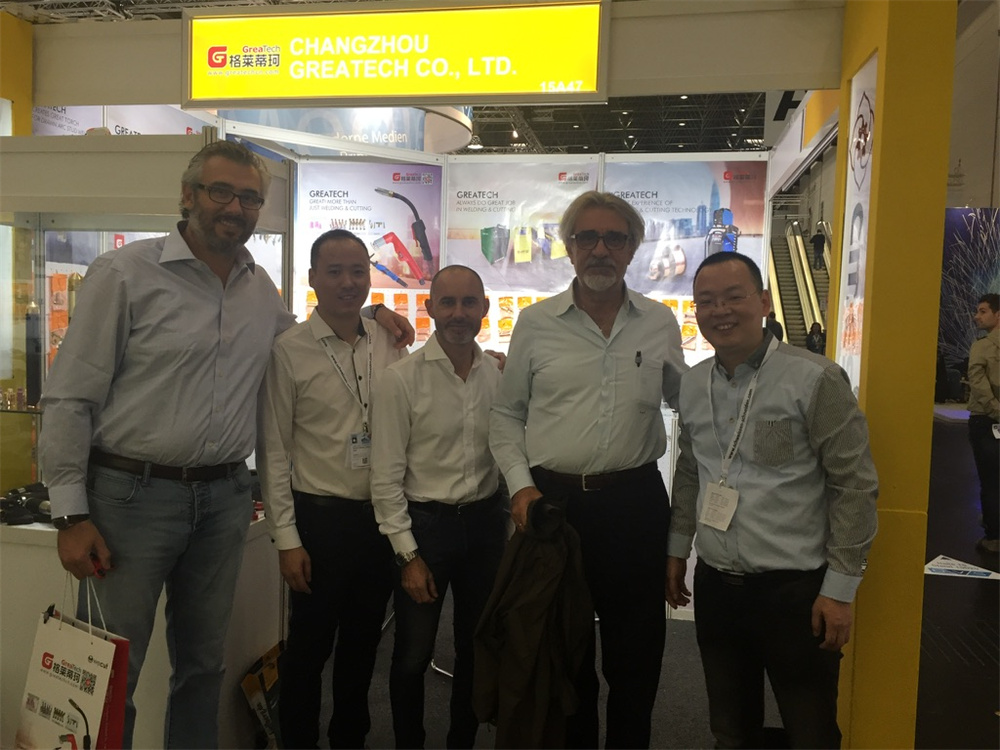
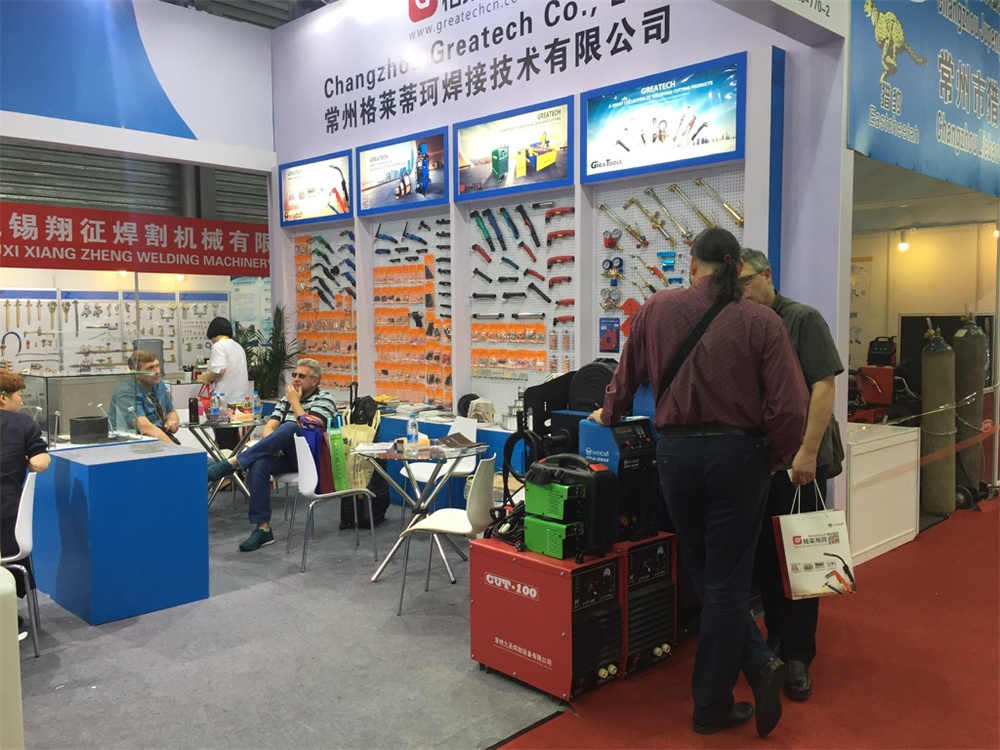


Upholding the core philosophy of "Customer First, Win-Win Cooperation", we have always focused on customer needs, continuously optimized our products and services, and strived to create long-term value for our global partners. Over the years, with unremitting efforts and professional dedication, GREATECH has achieved a 10-fold sales growth since its inception, growing into a trusted one-stop supplier in the global welding, cutting, and metal processing industry, and a reliable partner for enterprises pursuing high-quality development.
Explore our full range of laser etching, cutting, and welding machines for architectural and decorative metal fabrication